How Do You Fix Patio Chairs?
On this page (6 sections)
You can often fix patio chairs by addressing common issues like loose bolts, rust, faded finishes, or torn fabric. Simple repairs often involve tightening, sanding, painting, or replacing worn parts to extend their lifespan.
Most repairs are straightforward DIY projects using basic tools, such as tightening screws on metal chairs, gluing joints on wood, or patching minor tears in fabric slings.
Here’s a quick overview of how you can tackle common patio chair problems:
- Inspect your chair carefully to identify the specific issue, whether it’s structural or cosmetic.
- Gather the right tools and materials for the job, like a wrench for loose bolts or wood glue for wobbly joints.
- Always prioritize safety; wear gloves and eye protection when working with tools or chemicals.
- Consider the material of your chair, as metal, wood, plastic, and fabric each require different repair approaches.
- When in doubt, consult a professional, especially for complex structural damage or welding.
How Do You Fix Patio Chairs?
Fixing patio chairs involves a practical assessment of their condition and applying targeted solutions. You can bring them back to life with a bit of effort and the right approach.
Many common issues are simpler to resolve than you might think, saving you the cost of replacement. We often find that regular maintenance prevents major breaks later on.
Why Do Patio Chairs Break?
Patio chairs face a tough life outdoors. They battle constant exposure to sun, rain, and fluctuating temperatures. This environmental stress is a primary culprit.
Weight limits are sometimes exceeded, or chairs get moved roughly, leading to structural fatigue. Over time, even the best materials begin to show wear and tear (Consumer Reports).
Understanding Common Chair Materials
Your chair’s material dictates the best repair strategy. Metal chairs might rust, while wood chairs can rot or splinter. Plastic often fades and cracks.
Fabric slings can tear or become brittle. Knowing your material helps you choose the correct repair supplies and techniques.
Fixing Metal Patio Chairs
Metal chairs offer great durability, but they aren’t immune to outdoor elements. See our guide to fix metal patio chairs for more on this. You can often restore their strength and appearance with a few key fixes.
Rust and loose connections are usually the main problems you will encounter with these chairs. We’ve found that early intervention prevents bigger headaches.
Rust Removal and Prevention
Rust is a metal chair’s arch-nemesis. You can start by scrubbing away loose rust with a wire brush or sandpaper. For deeper rust, a grinder might be needed.
After cleaning, apply a rust-inhibiting primer, then finish with a durable outdoor paint. This creates a protective barrier for the metal.
Tightening Loose Bolts
Wobbly metal chairs often just need a good tightening. Grab a wrench or an Allen key and check every connection point.
Sometimes, adding a bit of thread locker (like Loctite) can keep bolts from loosening again. We found this simple step significantly improves chair stability.
Welding Small Cracks
Minor cracks in metal frames can sometimes be welded. This requires specialized equipment and skill, so it might be a job for a professional.
For small, non-structural cracks, you might attempt a cold weld epoxy kit. Always assess safety first; structural cracks need expert attention.
Repairing Wooden Patio Chairs
Wood chairs bring a classic warmth to any patio, but they need care. Sunlight and moisture can cause significant damage over time.
You can often resolve issues like splinters, loose joints, or rotted sections to extend their charm. Many experts agree that proper sealing is key for wood longevity.
Sanding and Refinishing
Faded, rough wood can be beautifully revived with sanding. Start with coarse sandpaper and move to finer grits for a smooth finish.
After sanding, apply a quality outdoor stain or paint, followed by a protective sealant. This makes your chair look new and defends it from the elements.
Gluing Loose Joints
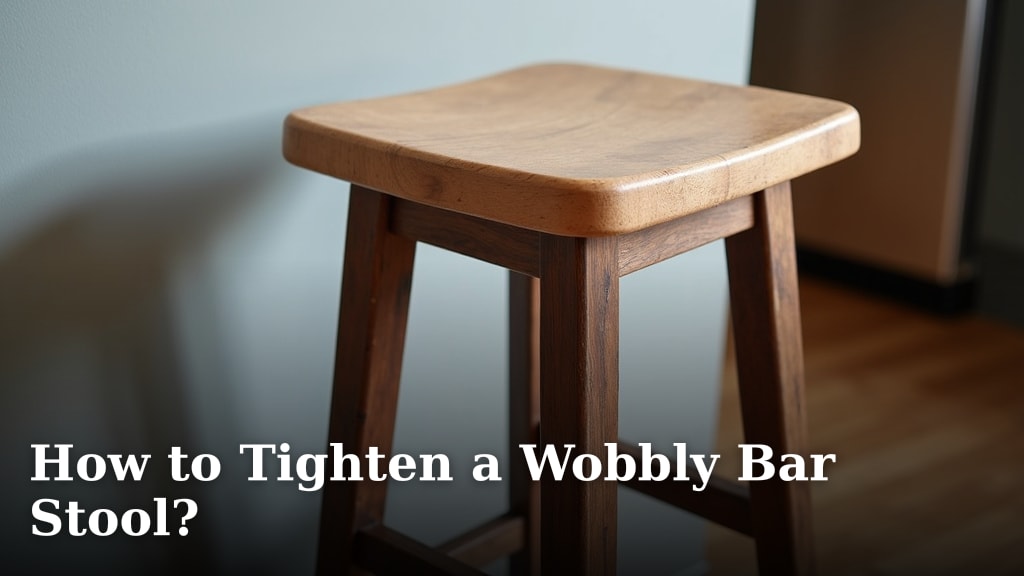
Wobbly wooden chairs usually have loose joints. Disassemble the joint carefully, remove old glue, and apply fresh waterproof wood glue.
Clamp the pieces together tightly and allow ample drying time. This method typically restores the chair’s original strength and rigidity.
Replacing Rotted Wood
If a section of wood is rotted, it’s best to replace it. Carefully remove the damaged piece, measure it precisely, and cut a new piece of treated outdoor wood.
Fit the new piece, secure it with exterior-grade screws or bolts, and then finish to match the rest of the chair. This is a common fix for structural integrity.
Mending Plastic and Resin Chairs
Plastic and resin chairs are known for their low maintenance, but they aren’t indestructible. They can crack, break, or become discolored.
Luckily, many fixes are straightforward and can restore their function and appearance. We often see these chairs suffer from sun exposure.
Patching Cracks
Small cracks in plastic chairs can be repaired with specific plastic repair kits or strong epoxy. Clean the area thoroughly first.
Apply the repair material according to the product instructions, ensuring a strong bond. This can prevent cracks from spreading further.
Restoring Faded Color
Sun exposure often makes plastic chairs look chalky and dull. You can start by cleaning them with mild soap and water.
For severe fading, specialized plastic paints or coatings designed for outdoor use can restore their vibrancy. Always prepare the surface for proper adhesion.
Reviving Fabric and Sling Chairs
Fabric and sling chairs offer comfort, but their soft surfaces can wear out. Tears, fading, and general grime are common issues.
Don’t toss them out; many fabric chairs can be revitalized with a bit of effort. You’ll be surprised how much a good cleaning or replacement can do.
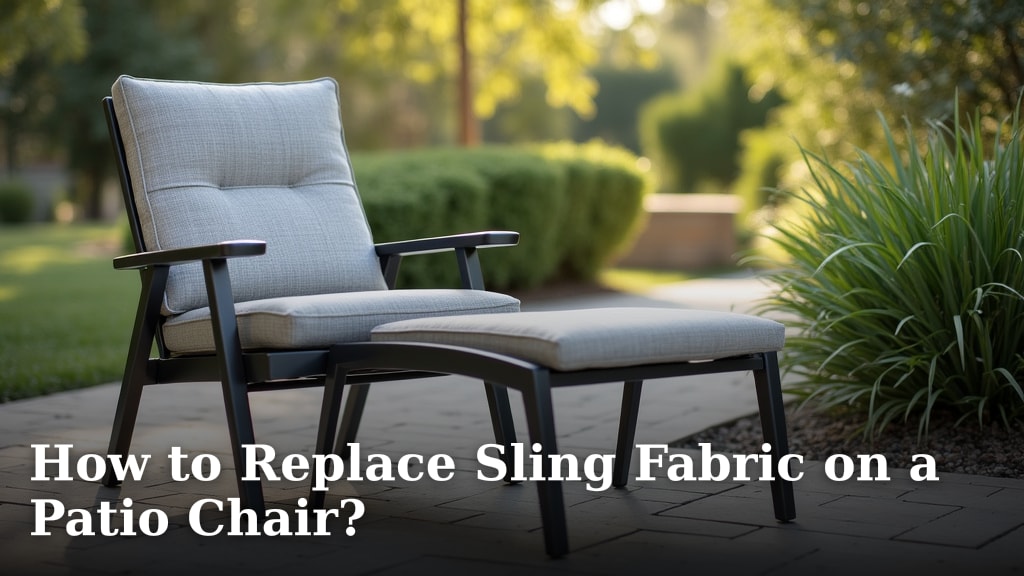
Replacing Sling Fabric
When the sling fabric tears significantly, replacing it is often the best option. See our guide to fix fabric patio chairs for more on this. Measure the old fabric carefully for dimensions and style.
You can order custom-cut replacement slings online or from specialty stores. Installation involves removing old splines and sliding in the new fabric.
Repairing Tears in Fabric
For small tears, you can use fabric repair kits or patches designed for outdoor materials. See our guide to fix fabric on patio chairs for more on this. Clean the area around the tear well.
Iron-on patches or strong fabric glue can provide a quick, effective fix. For a stronger repair, consider hand-sewing a patch in place (Good Housekeeping).
Cleaning and Conditioning Fabric
Regular cleaning keeps fabric chairs looking fresh and prevents mildew. Use a soft brush and a solution of mild soap and water.
After cleaning, consider applying a fabric protectant spray. This can help repel water and resist future stains and UV damage.
When to Call a Pro or Replace?
Sometimes, a chair is beyond simple DIY repair. If the frame is severely damaged, warped, or if multiple components are broken, professional help might be needed.
Welding extensive metal damage or fabricating complex wooden parts can be costly. You should weigh the repair cost against the price of a new, sturdy chair. See our guide to best folding patio chair for more on this.
Safety is paramount; if a chair feels structurally unstable even after repairs, it might be time for a replacement. Your comfort and safety matter most.
Basic Tool Checklist for Patio Chair Repair
- Wrenches and Allen Keys
- Screwdrivers (Phillips and Flathead)
- Sandpaper (various grits)
- Wire Brush
- Wood Glue (waterproof)
- Rust-Inhibiting Primer
- Outdoor Paint or Stain
- Fabric Repair Kit or Heavy-Duty Thread
- Clamps
- Safety Glasses and Gloves
| Common Issue | Material Affected | Primary Solution |
|---|---|---|
| Wobbly Frame | Metal, Wood, Plastic | Tighten bolts/screws, Glue joints, Reinforce connections |
| Rust/Corrosion | Metal | Sand, Prime, Paint with rust-resistant products |
| Faded/Chalky Surface | Wood, Plastic, Fabric | Clean, Sand, Refinish, Paint, Apply UV protectant |
| Splinters/Roughness | Wood | Sand smooth, Apply sealant/stain |
| Tears/Holes | Fabric, Sling, Plastic | Patch, Sew, Replace sling, Use plastic repair kit |
| Broken Slats/Parts | Wood, Plastic | Replace individual components, Use strong epoxy |
Conclusion
Fixing your patio chairs is a rewarding project that saves money and extends the life of your outdoor furniture. By identifying the problem and choosing the right repair method, you can restore their comfort and appeal.
Whether it’s tightening a bolt or replacing a sling, most repairs are quite manageable. Remember to prioritize safety and consider when a professional might be necessary. Enjoy your refreshed patio space!
How do you fix a loose chair leg?
To fix a loose chair leg, especially on wooden chairs, you usually need to disassemble the joint. Clean out any old glue, apply new waterproof wood glue, and then clamp the leg securely back into place until it dries completely. For metal chairs, simply tightening the bolt or screw often solves the problem.
Can you paint faded plastic patio chairs?
Yes, you can absolutely paint faded plastic patio chairs. Start by thoroughly cleaning the chairs to remove dirt and chalky residue. Then, use a paint specifically formulated for plastic or outdoor furniture, which will adhere better and provide a durable finish.
What is the best way to clean rusty metal chairs?
The best way to clean rusty metal chairs is to first remove loose rust with a wire brush or sandpaper. For stubborn rust, you might use a rust remover chemical solution. Always rinse thoroughly and allow the metal to dry completely before applying a rust-inhibiting primer and then a suitable outdoor paint.
How do you repair a small tear in patio chair fabric?
For a small tear in patio chair fabric, you can use a fabric repair kit designed for outdoor materials. This often includes adhesive patches or strong fabric glue. Ensure the area is clean and dry before applying the patch or glue, following the product’s instructions carefully for a lasting repair.
Is it worth fixing an old patio chair?
It is often worth fixing an old patio chair, especially if it has sentimental value, is made from quality materials, or the repair cost is significantly less than buying new. Simple repairs like tightening, painting, or minor patching can bring an old chair back to life, making it a cost-effective and sustainable choice.