How To Repair Metal Patio Chairs?
To repair metal patio chairs, you typically need to clean, sand, prime, and repaint rusty spots, then tighten loose fasteners or replace worn slings and glides.
Addressing these issues early can prevent further damage, restoring both the function and appearance of your favorite outdoor seating.
Here’s a quick rundown of what you’ll find in this guide:
- Discover why your metal patio chairs might need a little TLC.
- Learn about the essential tools you’ll need for the job.
- Follow our simple step-by-step instructions for common repairs.
- Find solutions for everyday metal chair problems.
- Understand when it might be time to replace instead of repair.
How To Repair Metal Patio Chairs?
Repairing metal patio chairs involves several key steps, focusing on rust treatment, structural reinforcement, and replacing worn components to restore their function and appearance.
Why Do Metal Patio Chairs Need Repair?
Your outdoor furniture takes a beating from the elements, right? Sun, rain, and humidity are not always kind to metal. Over time, these factors can lead to common problems that make your chairs look old or even unsafe.
Rust is a big one, especially in humid climates. It can weaken the metal and create an unsightly appearance. We often see rust start in small spots, then spread if not addressed.
Loose bolts and connections are another frequent issue. Think about how often those chairs get moved around or sat in! These movements can slowly loosen the hardware, making the chair wobbly.
Sometimes, the softer parts, like slings, webbing, or chair glides, simply wear out. They fade, tear, or crack, impacting both comfort and stability. These are the parts that touch your body or the ground, so they see a lot of use.
Gather Your Repair Toolkit
Before you dive in, having the right tools makes all the difference. Imagine trying to tighten a screw without the right screwdriver – frustrating, right? Here’s what you’ll likely need:
- Wire brush or sandpaper (various grits)
- Rust-inhibiting primer
- Metal-specific outdoor paint
- Protective gear (gloves, safety glasses, mask)
- Wrenches, screwdrivers, or Allen keys
- Clean cloths and mild soap
- Replacement slings, webbing, or glides (if needed)
Step-by-Step Metal Patio Chair Repair
Cleaning and Inspection: The First Critical Step
Start by giving your chair a good wash with soap and water. This removes dirt and grime, giving you a clear view of the damage. We find that a simple bucket of warm, soapy water and a sponge works wonders.
After cleaning, let it dry completely. Then, inspect every part closely. Look for rust spots, loose bolts, cracks, or worn fabric. Many experts say that a thorough inspection prevents overlooked problems (Consumer Reports).
Tackling Rust: Sanding and Priming
Rust is a metal chair’s arch-nemesis. If you see it, don’t ignore it. Use a wire brush or coarse sandpaper to remove all visible rust. Keep sanding until you reach bare, shiny metal. For stubborn spots, a drill attachment with a wire brush can be a lifesaver.
Once the rust is gone, clean the area again to remove dust. Apply a rust-inhibiting primer to the bare metal. This creates a protective barrier and helps new paint stick better. We often find that a good primer is the secret to long-lasting results.
Repainting for a Fresh Look
After the primer dries, it’s time for paint! Choose a paint designed for outdoor metal furniture. Spray paint is often easiest for chairs with many curves. Apply several thin coats rather than one thick one. This prevents drips and gives a smoother finish.
Always paint in a well-ventilated area and follow the manufacturer’s drying times. A fresh coat of paint not only looks great but also adds another layer of protection against the elements. It’s like giving your chair a new lease on life!
Fixing Loose Joints and Fasteners
Wobbly chairs are no fun. Take your wrenches and screwdrivers and tighten every bolt, screw, and nut you find. Don’t overtighten, though, as this can strip the threads or damage the frame.
Sometimes, the bolts might be corroded. If so, consider replacing them with new, rust-resistant hardware. We found that stainless steel bolts are a great option for outdoor furniture, offering better longevity.
Replacing Slings or Webbing
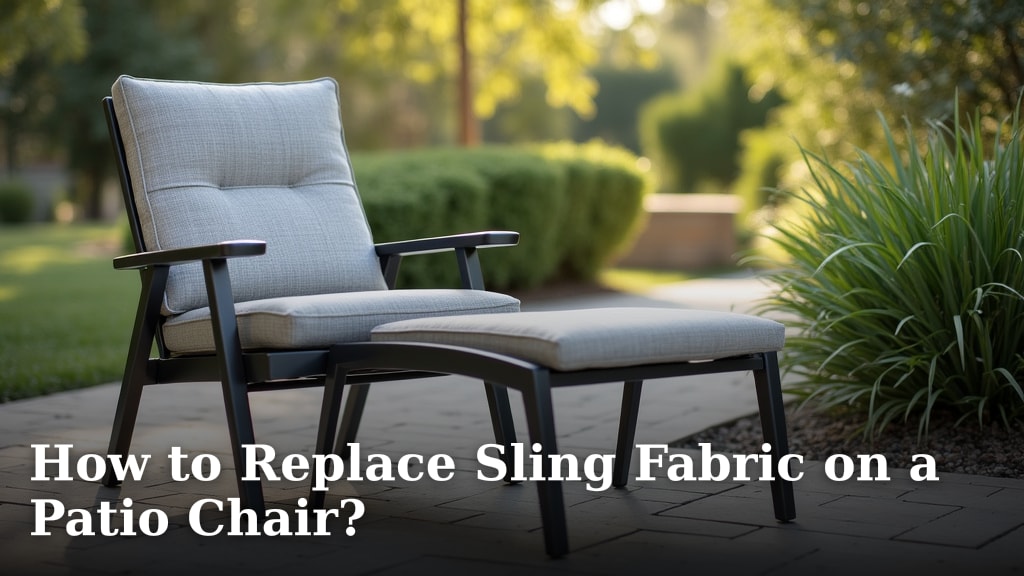
If your chair has fabric slings or webbing, they might eventually wear out. Replacing them can transform an old chair. Here’s how:
- Carefully remove the old fabric. Take photos as you go; these can be helpful reference points.
- Measure the old sling or webbing to get the correct dimensions for your replacements.
- Purchase new, durable outdoor fabric or pre-made webbing straps.
- Attach the new material according to your chair’s design, often involving sliding into channels or securing with screws.
Adding New Chair Glides or Caps
Those small plastic caps on the chair legs are called glides. They protect your patio surface and make the chair easier to move. If yours are missing or cracked, replace them!
Measure the diameter of the chair legs to ensure a snug fit for new glides. Push them firmly into place. This simple fix can prevent scratches on your patio and reduce noise when chairs are moved.
Common Metal Patio Chair Issues and Solutions
You might encounter a few specific problems. Here’s a quick guide to common issues and how to fix them:
| Issue | Problem Description | Recommended Solution |
|---|---|---|
| Squeaky Chair | Joints make noise when moved or sat upon. | Tighten all fasteners; apply a rust penetrant or silicone spray to joints (WD-40). |
| Fading Paint | Original paint color has dulled or chipped. | Clean, lightly sand, prime, and repaint with outdoor metal paint. |
| Deep Dents | Significant impacts have caused indentations. | Minor dents might be filled with metal filler (bondo) then sanded and painted. Major dents might need professional help or indicate replacement. |
| Broken Welds | A metal joint has completely separated. | This often requires professional welding. It’s a more complex fix that might exceed the chair’s value. |
When Is It Time to Let Go?
While many metal patio chairs can be repaired, sometimes it’s simply not worth the effort or cost. If the frame has extensive rust damage, especially in critical weight-bearing areas, it might be unsafe. Research often connects severe rust with structural integrity issues (NIST).
If the cost of replacement parts or professional repairs approaches the price of a new chair, consider an upgrade. Sometimes, bidding farewell to a beloved but broken chair makes more sense. Safety is always the top priority for outdoor furniture.
Preventative Maintenance Tips
A little care goes a long way in keeping your chairs in top shape. Regular cleaning prevents dirt and grime buildup that can trap moisture. Wipe them down periodically, especially after rain.
In colder months, storing your chairs indoors or covering them with waterproof covers can dramatically extend their life. Keeping them out of harsh winter weather helps prevent rust and material degradation. This simple step saves you time and money on future repairs.
Conclusion
Repairing your metal patio chairs doesn’t have to be a daunting task. By following these practical steps, you can tackle rust, tighten loose parts, and replace worn components, giving your outdoor furniture a new lease on life. Think of it as a small investment in your comfort and the longevity of your patio space. With a little effort, your chairs will be ready for countless more seasons of enjoyment.
How do I stop my metal patio chair from rusting after repair?
After repair, use a high-quality rust-inhibiting primer on any bare metal spots, followed by several coats of outdoor-grade metal paint. Regular cleaning and storing the chairs under cover or indoors during harsh weather can also prevent new rust formation.
Can I use car paint to touch up my metal patio chairs?
While some car paints might work, it’s generally better to use paints specifically designed for outdoor metal furniture. These paints are formulated to withstand UV rays, moisture, and temperature changes, which can be different from automotive applications.
What kind of sandpaper should I use for rust removal?
Start with a coarser grit sandpaper, like 60-80 grit, to remove heavy rust. Then, switch to a finer grit, like 120-180, to smooth the surface before priming and painting. This creates a better finish for the new coating.
Is it possible to weld a broken metal patio chair at home?
Welding requires specialized equipment and skills. For safety and structural integrity, most broken welds are best handled by a professional welder. Attempting it without proper training can be dangerous and might not result in a strong, lasting repair.
How often should I inspect my metal patio chairs for damage?
It’s a good practice to inspect your metal patio chairs at least once a season, typically in spring before heavy use or in fall before storage. This allows you to catch minor issues before they become major problems, keeping your chairs safe and functional.