How To Repair Patio Furniture?
To repair patio furniture, identify the specific damage first, then gather the right tools and materials for the type of material, whether it’s wicker, metal, wood, or fabric.
Common repairs for patio furniture involve fixing frames, replacing worn slings or straps, patching cushions, and reweaving wicker sections for an extended lifespan.
Here’s a quick summary of how to tackle your patio furniture repairs:
- Start by giving your furniture a good clean to clearly see any damage.
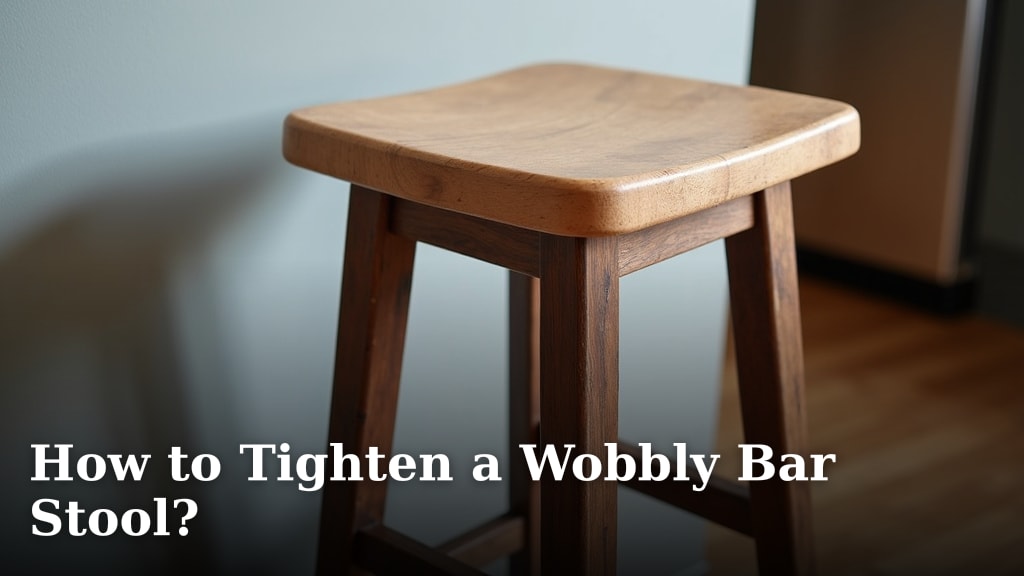
- For wobbly metal frames, tighten bolts or use epoxy for cracks.
- Wooden pieces often need sanding, staining, or a fresh coat of sealant.
- Torn fabric can often be sewn, patched, or completely replaced.
- Always assess the extent of damage; sometimes a professional is best.
How To Repair Patio Furniture?
Repairing patio furniture involves more than just a quick fix; it means identifying the problem, selecting the right materials, and applying practical solutions to bring your beloved outdoor pieces back to life.
It’s a rewarding process that saves you money and keeps your favorite pieces around longer.
Why Repair Your Patio Furniture?
You might be wondering if repairing is worth the effort when new sets are always tempting, right?
Well, we found there are some really good reasons to roll up your sleeves and give your existing furniture a second chance.
Saving Your Wallet
Let’s be honest, replacing an entire patio set can be a significant expense. Repairing a wobbly chair or a torn cushion costs a fraction of buying new.
Think about it: a few dollars for supplies versus hundreds for new items.
Good for the Planet
Repairing means less waste heading to landfills. It’s a simple step toward a more sustainable lifestyle, reducing your environmental footprint.
Your old chair might just need a little love, not a trip to the dump.
First Steps: Assess the Damage
Before you jump into any repairs, take a good, hard look at your furniture. What exactly is broken or worn out?
This initial inspection guides your entire repair process.
Check the Frame
Is the frame wobbly? Are there cracks in metal or wood?
Often, a loose bolt is the culprit for instability, which is a surprisingly easy fix.
Inspect Fabrics and Straps
Look for tears, fading, or mildew on cushions, slings, and fabric straps. Are they just dirty, or genuinely damaged?
Sometimes, a good cleaning is all that’s needed, other times replacement is the answer.
Examine Hardware
Rusting screws, missing caps, or jammed mechanisms can also affect your furniture’s function.
These small details can make a big difference in comfort and safety.
Common Patio Furniture Repairs and Solutions
Patio furniture comes in many materials, each with its own quirks. We found that most common issues fall into a few distinct categories, making repairs quite manageable.
Let’s look at some popular materials and how to mend them.
Wicker and Rattan Repair
Wicker can unravel or break over time due to sun exposure. Rattan furniture repairs can address loose or broken woven strands. You can often reweave loose strands or replace broken ones using new synthetic or natural wicker material.
A strong adhesive helps secure new pieces in place (research shows specific glues work best for outdoor use).
| Wicker Repair Type | Tools Needed | Materials Needed |
|---|---|---|
| Minor Unraveling | Pliers, small clamps | Weather-resistant glue, spare wicker strands |
| Broken Strands | Utility knife, measuring tape | New wicker material (synthetic or natural), strong adhesive |
| Structural Support | Screwdriver, drill | Small screws, repair plates |
Metal Frame Fixes
Metal frames can rust, bend, or crack. For rust, sand it away and apply a rust-inhibiting primer before repainting.
Bends might be straightened with a rubber mallet, and small cracks can be mended with strong epoxy designed for metal (many experts recommend specific epoxies for outdoor metal).
Here’s a quick checklist for metal frame repair:
- Clean the metal surface thoroughly.
- Remove any loose rust with a wire brush or sandpaper.
- Apply a rust-inhibiting primer to all exposed metal.
- Tighten any loose bolts or screws.
- Use metal-specific epoxy for small cracks.
- Repaint with an outdoor-grade paint matching the original color.
Wood Furniture Renewal
Wood can splinter, crack, or fade. Sanding down rough spots, filling cracks with wood filler, and applying a fresh stain or sealant makes a big difference.
Remember, regular maintenance truly extends wood furniture life (many guidelines point to sealing wood annually for outdoor use).
Fabric and Cushion Makeovers
Faded or torn cushions and fabric slings can often be refreshed or replaced. You can sew small tears with outdoor-grade thread or purchase new covers.
For cushions, consider replacing the foam inserts if they’ve lost their firmness (research often connects foam density with seating comfort).
Fixing cushions or fabric is often easier than you think:
- Measure your old cushion for new foam inserts or fabric.
- Choose outdoor-specific fabric that resists UV and mildew.
- Sew torn seams or patch small holes with strong outdoor thread.
- Replace foam inserts if they are flat or damaged.
- Consider adding waterproof liners to new covers.
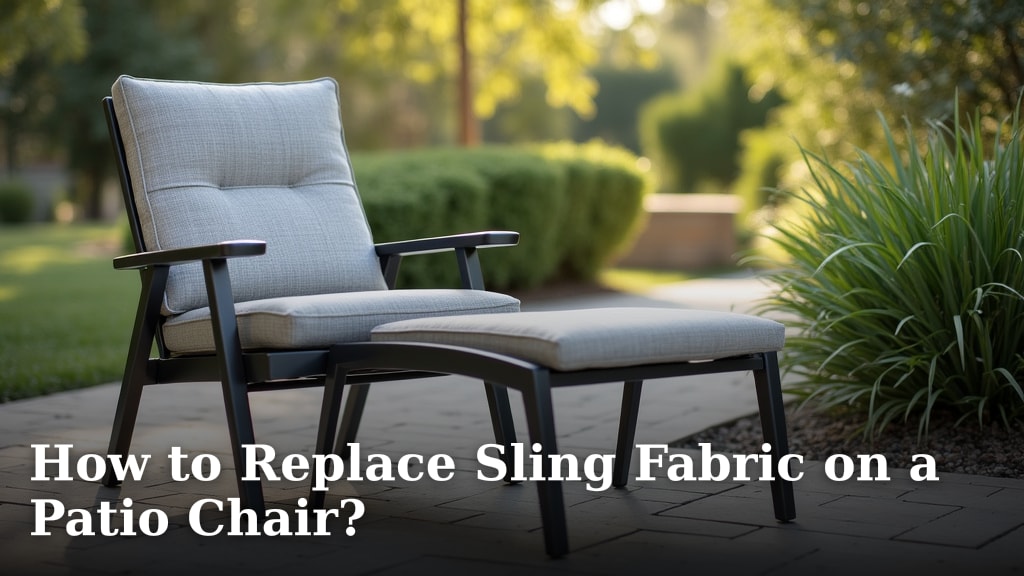
Sling Chair Resuscitation
Sling chairs are popular but their fabric can tear. You can buy replacement slings specific to your chair model, or purchase outdoor fabric and sew a new one.
This repair truly transforms an old, tired chair into a usable piece again.
Tools You’ll Need for Most Repairs
Having the right tools makes any repair project smoother. You won’t need a huge workshop, just a few key items.
A basic toolbox with screwdrivers, pliers, a utility knife, sandpaper, and a cleaning brush will serve you well.
When Is It Time to Call a Pro?
Sometimes, damage is extensive or tricky, requiring specialized skills or tools. Major structural damage to metal frames, complex reweaving of large wicker sections, or severe wood rot might be best left to professionals.
Don’t feel bad about calling in an expert; knowing your limits saves you time and frustration.
Conclusion
Repairing your patio furniture is a truly worthwhile effort. It’s a satisfying project that not only saves you money but also gives your outdoor space a fresh look and extends the life of items you already own.
By assessing the damage carefully and choosing the right approach for each material, you can handle most common repairs yourself.
So, why not give your patio furniture the attention it deserves and enjoy it for many more seasons to come?
Can I use regular paint on patio furniture frames?
You can use regular paint, but it’s not ideal. For patio furniture, it’s always best to use exterior-grade paints, especially those designed for metal or wood, as they offer better protection against rust, UV rays, and moisture.
How do I prevent mildew on outdoor cushions after repair?
To prevent mildew, ensure your cushions dry completely after any rain or washing. Store them indoors during prolonged wet weather or winter, and consider using mildew-resistant fabric covers or sprays.
What’s the best way to clean my patio furniture before repairs?
Start with a mild soap and water solution, using a soft brush or cloth to scrub away dirt and grime. For tougher stains, a pressure washer on a low setting can work, but avoid high pressure on delicate materials.
Is it always cheaper to repair than to replace patio furniture?
Most times, yes, it’s cheaper. However, for extensive damage that requires many specialized parts or professional labor, the cost might come close to a new, basic set. Always compare repair estimates with new furniture prices.
Can I mix and match repair materials for different furniture types?
While you might use similar tools, the repair materials themselves should match the furniture type. For instance, specific wood glues are for wood, and metal epoxies are for metal. Using the wrong material could lead to a weaker or short-lived repair.