
What Do You Do With Patio Furniture When It Rains?
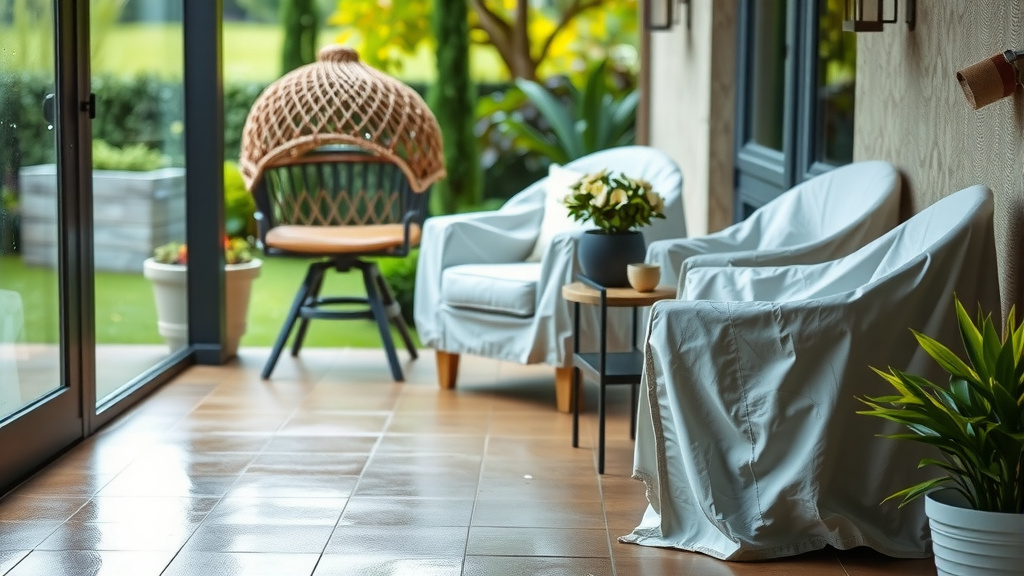
When rain threatens your outdoor space, you should quickly move all patio furniture cushions indoors to protect them from moisture and potential mildew, or ensure everything is covered with a waterproof cover.
Drying damp patio furniture thoroughly after a downpour prevents water spots, rust on metal frames, and extends the lifespan of your outdoor pieces.
- Quickly move cushions or cover all furniture when rain starts.
- Choose waterproof covers for year-round protection from all weather.
- Store delicate items like cushions or decor in a dry, indoor spot.
- Clean and dry furniture promptly after rain to prevent mold or rust.
- Consider furniture materials: some are more weather-resistant than others.
What Do You Do With Patio Furniture When It Rains?
Protecting your patio furniture from rain is key to keeping it looking great and lasting longer. The best action depends on how much warning you have.
Instant Protection: When the Sky Opens Up
Picture this: you’re relaxing outside, then suddenly the clouds burst. What’s your first move?
The immediate goal is to shield your furniture from the brunt of the downpour. This means getting vulnerable items out of harm’s way fast.
Grab Those Cushions!
Your patio cushions are often the most sensitive items. They soak up water easily and can develop mildew if left wet.
We found that bringing cushions inside is the quickest way to save them. A garage, mudroom, or even a spare bedroom works perfectly for a quick dash.
Deploying Quick Covers
If moving everything is too much hassle, especially for heavier pieces, a good waterproof cover is your best friend. Many patio sets come with or have readily available covers.
Tossing a fitted cover over your table and chairs can save them from a sudden shower. It’s like putting on a rain jacket for your furniture.
Proactive Measures: Before the Rain Arrives
Checking the weather forecast is like getting a heads-up before a test. It gives you time to prepare.
Planning ahead makes managing rainy weather much less stressful for you and your furniture.
Investing in Quality Furniture Covers
A good set of durable, waterproof patio furniture covers is a wise purchase. We found that covers made from breathable, UV-resistant material offer the best long-term protection (Consumer Reports).
These covers protect not just from rain, but also from sun, dust, and debris. They are an all-season shield.
Consider a Covered Patio Area
Do you have a porch, pergola, or gazebo? These structures offer natural shelter.
Placing your furniture under an overhang means you often don’t need to do anything when light rain starts. It’s built-in protection.
Furniture Material Matters: Different Strokes for Different Folks
Not all patio furniture handles rain the same way. Knowing your materials helps you choose the right care.
Some materials are naturally more resistant, while others need a little more help from you.
Here’s a quick guide to common patio furniture materials and their rain resistance:
| Material | Rain Resistance | Best Action |
|---|---|---|
| Wrought Iron | High (prone to rust) | Dry promptly, check for rust spots. |
| Aluminum | Very High (rust-proof) | Wipe dry, minimal care needed. |
| Teak Wood | High (natural oils resist water) | Dries well, may gray over time. |
| Rattan/Wicker (Synthetic) | High (water-resistant) | Wipe clean, ensure no standing water. |
| Rattan/Wicker (Natural) | Low (absorbs water, molds) | Move indoors or cover completely. |
| Fabric/Cushions | Low (absorbs water, mildews) | Store indoors or use waterproof covers. |
Post-Rain Care: Drying and Cleaning
The rain has stopped, the sun is coming out. Now what?
Drying your furniture properly after rain is just as important as protecting it during the rain.
Wipe It Down
Even water-resistant materials benefit from a quick wipe-down. Use a soft cloth to remove standing water.
This prevents water spots, streaks, and reduces the chance of moisture getting into tiny crevices.
Air Dry Thoroughly
Ensure all parts of your furniture are completely dry before you put cushions back or cover them up. Dampness is a breeding ground for mold and mildew.
Research shows that trapped moisture is a major cause of outdoor furniture damage (University of Florida IFAS Extension).
Dealing with Mildew
Uh oh, did some mildew appear? Don’t panic! A simple solution of water and mild soap, or specialized outdoor cleaner, can often do the trick.
Gently scrub the affected area, rinse well, and let it air dry completely in the sun.
Smart Storage Solutions for Rainy Seasons
Sometimes, a simple cover isn’t enough, especially during prolonged rainy seasons.
Thinking about longer-term storage can save you effort and money down the line.
- Consider a storage shed or garage for off-season storage.
- Use waterproof storage bags for cushions and smaller decor items.
- Stack chairs to save space if you have a sheltered corner.
- Elevate furniture off wet ground to prevent pooling water.
- Empty any decorative planters or bowls to avoid standing water.
Checklist for Impending Rain
Here’s a quick mental checklist when you see those dark clouds gathering:
- Move all cushions indoors.
- Close patio umbrellas or bring them inside.
- Place protective covers on tables and chairs.
- Bring in any small decor items, like candles or throws.
- Ensure drains on furniture (if any) are clear.
Conclusion
Taking care of your patio furniture when it rains doesn’t have to be a big chore. With a mix of quick actions and smart planning, you can easily protect your outdoor investment.
Whether it’s a sudden downpour or a week of showers, a little effort goes a long way in keeping your patio space inviting and beautiful for many seasons to come. You’ll thank yourself later!
How do I protect patio furniture from heavy rain?
For heavy rain, your best bet is a combination of tactics: bring all cushions and delicate items indoors, use heavy-duty, waterproof covers for larger pieces, and if possible, move furniture into a covered area like a garage or shed.
Can I leave wood patio furniture out in the rain?
It depends on the type of wood. Teak and cedar are naturally water-resistant and can withstand rain, but will eventually gray over time. Other woods, like pine or untreated hardwoods, are prone to warping, rotting, or developing mildew, so they should be covered or moved indoors.
What kind of covers are best for patio furniture?
The best covers are made from durable, waterproof, and breathable materials like polyester with a PVC backing. Look for covers with UV protection, elastic hems, and tie-downs to ensure they stay secure and protect your furniture effectively.
Should I bring patio cushions inside every time it rains?
Yes, bringing patio cushions inside every time it rains is highly recommended. Cushions soak up water easily, which can lead to mold, mildew, and unpleasant odors. Even “water-resistant” cushions benefit from being kept dry to extend their life.
How do I dry outdoor furniture after a storm?
After a storm, first remove any standing water with a dry cloth. For cushions, squeeze out excess water and stand them on their side to air dry, ideally in a sunny spot. For frames, wipe them down thoroughly and allow them to air dry completely before replacing cushions or covers.
