How To Fix Patio Furniture?
On this page (6 sections)
Fixing patio furniture involves simple steps like tightening loose hardware, cleaning off grime, and restoring finishes. You can bring your outdoor pieces back to life by addressing common wear and tear directly.
You can typically repair most patio furniture issues yourself with basic tools and materials, saving money and extending the life of your beloved outdoor setting.
Here’s a quick overview of what you’ll learn about fixing your patio furniture:
- Assess the damage and gather your tools before starting any repair.
- Address common issues like rust, loose joints, and faded surfaces with targeted solutions.
- Understand specific repair techniques for different materials like metal, wood, and wicker.
- Discover how to restore fabric cushions and slings for a fresh look.
- Learn simple maintenance tips to keep your furniture looking great long-term.
How To Fix Patio Furniture?
Fixing patio furniture involves a straightforward process of identifying the problem and applying the right solution. You can often restore your outdoor items by repairing structural issues, refreshing surfaces, or replacing worn parts.
Think of your patio furniture like a trusted old friend; it just needs a little attention to shine again. What’s the biggest problem you’re seeing right now? Let’s tackle that first.
Start with a Good Inspection
Before grabbing any tools, take a moment to really look at your furniture. What’s truly broken or worn out? Many experts say a thorough inspection is the first and most critical step in any repair project.
Are the joints wobbly? Is the paint peeling? Are the cushions looking sad? Jot down notes, almost like a doctor making a diagnosis. This helps you figure out the best course of action.
Gather Your Repair Arsenal
Once you know the problem, gather your supplies. You wouldn’t start baking without all the ingredients, right? For patio furniture, this might mean a wrench, screwdriver, sandpaper, paint, or new fabric.
Having everything ready prevents frustrating pauses in your work. It makes the whole process smoother for you. We found that preparation saves a lot of time in the long run.
Tackling Common Patio Furniture Problems
Most patio furniture issues fall into a few common categories. Let’s look at how you can fix these quickly. You might be surprised how easy many of these repairs truly are.
Loose Joints and Wobbly Frames
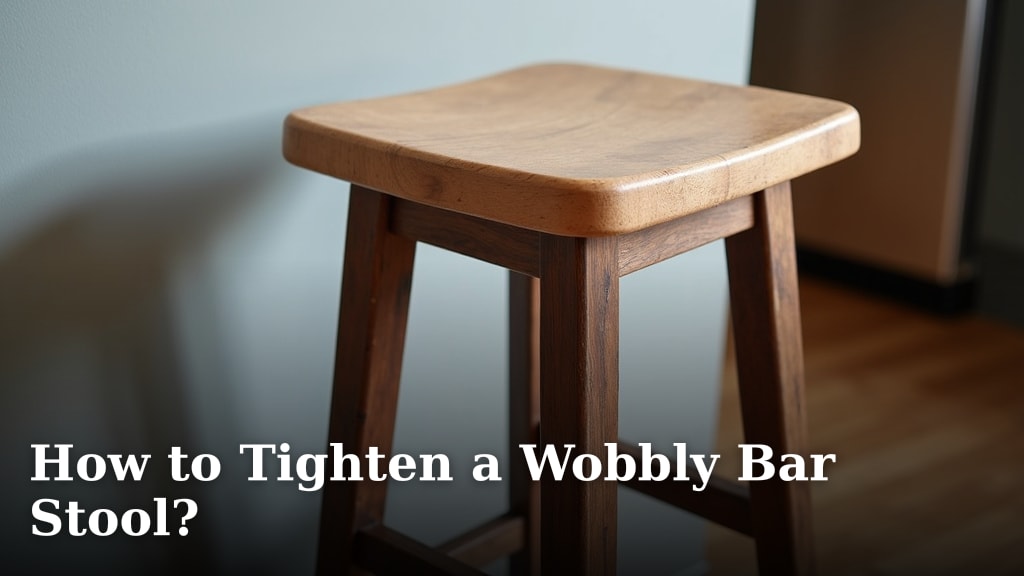
Does your chair rock more than a boat in a storm? Loose joints are a frequent culprit. This is often an easy fix, thankfully.
Simply turn the piece over and look for screws, bolts, or nuts that are out of place. Use a wrench or screwdriver to gently tighten these connections. Be careful not to overtighten and strip the screws.
Dealing with Rust on Metal Furniture
Rust is like a tiny orange monster that loves metal furniture. But you can fight back! We found that early intervention stops rust from spreading.
First, use a wire brush or sandpaper to remove any loose rust. Then, apply a rust-inhibiting primer. Finish with a fresh coat of outdoor-specific paint. You’ll give your metal pieces a new shield against the elements.
Faded or Chipped Paint
Sun and weather can be tough on finishes. If your furniture looks dull or has peeling paint, it’s time for a refresh. This makes a huge difference in appearance.
Start by cleaning the surface thoroughly. Lightly sand any rough spots or peeling areas. Then, apply a high-quality outdoor primer, followed by two thin coats of exterior paint. Many experts recommend light, even coats for the best finish.
Torn or Worn Fabric Slings and Cushions
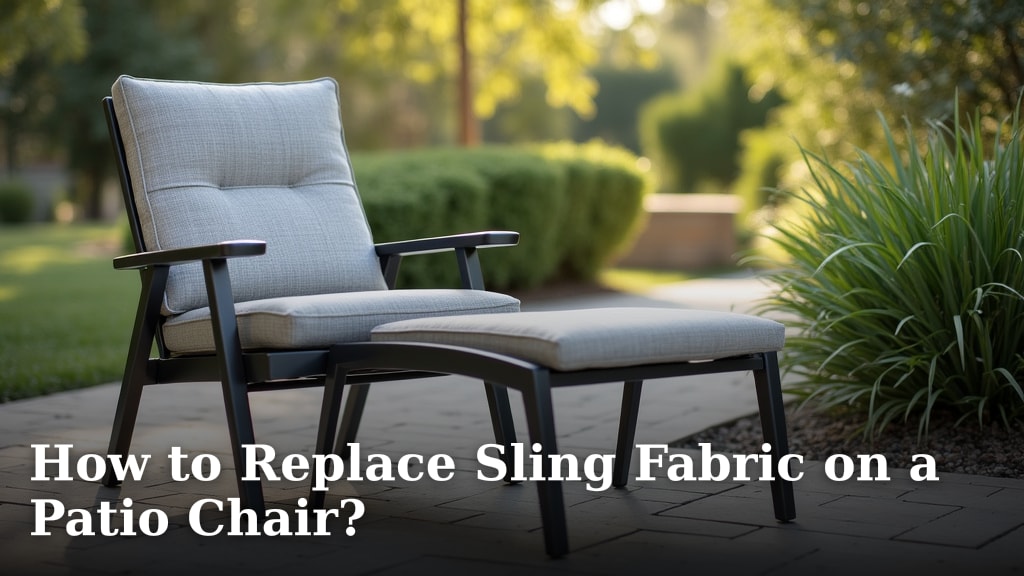
Is your sling chair looking more “slung” than “chair”? Or are your cushions flat and stained? You can often replace these components.
For slings, you might find replacement fabric kits specific to your furniture model. For cushions, new foam inserts and outdoor fabric can give them a whole new lease on life. It’s a great way to customize your look, too!
Repairing Specific Furniture Materials
Different materials need different approaches. Think of it like cooking – you wouldn’t bake a cake the same way you grill a steak. Understanding the material helps you choose the right repair method.
Fixing Wooden Patio Furniture
Wood can splinter, crack, or fade. For splinters, lightly sand the area smooth. For cracks, outdoor wood filler can often do the trick.
If your wooden furniture looks dull, a good cleaning and a fresh coat of wood sealer or stain will bring back its natural beauty. Research often connects regular sealing with prolonged wood life (University Extension programs).
Restoring Wicker and Rattan
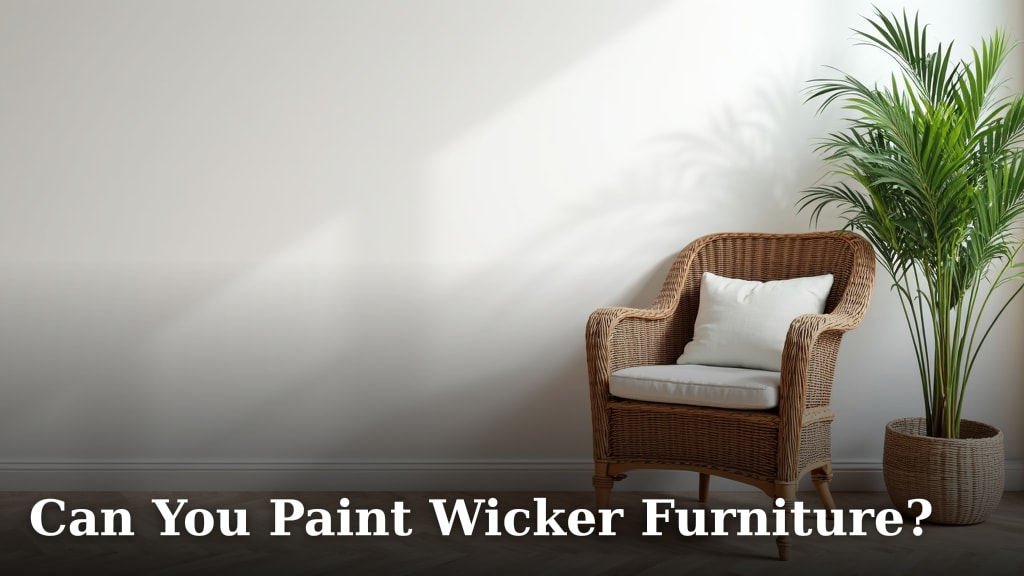
Wicker and rattan furniture can unravel or break. Small breaks can sometimes be re-woven using matching cane or synthetic wicker material.
If the damage is extensive, you might need to replace entire sections. A fresh coat of exterior paint or clear sealant can also protect and revive these pieces.
Plastic and Resin Furniture Repairs
Plastic furniture is generally durable, but it can crack or become brittle. Small cracks can sometimes be repaired with specialized plastic adhesives or epoxies.
For fading, a good cleaning and a spray-on plastic restorer can work wonders. If a piece is severely damaged, sometimes replacement is the most practical choice, we found.
Quick Fixes for Common Patio Furniture Issues
Here’s a snapshot of common problems and their straightforward solutions:
| Problem | Solution | Tools/Materials Needed |
|---|---|---|
| Wobbly Chair/Table | Tighten all bolts and screws. | Wrench, screwdriver |
| Surface Rust | Wire brush, sandpaper, rust-inhibiting primer, outdoor paint. | Wire brush, sandpaper, primer, paint |
| Faded Wood | Clean, sand lightly, apply wood sealer/stain. | Cleaner, sandpaper, wood sealer/stain |
| Peeled Paint | Scrape loose paint, sand, prime, repaint. | Scraper, sandpaper, primer, paint |
| Torn Fabric Slings | Replace the sling with a new one. | Sling repair kit, screwdriver |
Checklist for a Successful Repair
Before you dive in, run through this quick checklist:
- Did you thoroughly clean the item first?
- Do you have all the necessary tools?
- Is the repair area well-ventilated?
- Are you wearing appropriate safety gear (gloves, eye protection)?
- Have you read the instructions for any specific products (paints, glues)?
Preventive Care: The Best Fix
The best way to fix patio furniture is often to prevent issues in the first place. Think of it like taking care of your teeth; regular brushing saves you from bigger problems later.
Many experts emphasize that consistent maintenance is your greatest ally. Cleaning, covering, and storing items properly can extend their life for years. Small efforts make a big difference, truly.
Can you commit to covering your furniture during harsh weather? It’s a simple step that offers huge protection.
Conclusion
Giving your patio furniture a little TLC can make a huge difference in its lifespan and appearance. From tightening a wobbly leg to repainting a faded frame, most repairs are surprisingly simple and rewarding. By understanding your furniture’s material and addressing issues promptly, you can keep your outdoor oasis looking welcoming and beautiful for many seasons to come. You don’t need to be a professional; just a little care and effort will do the trick.
How do I stop my patio furniture from rusting?
To prevent rust, ensure your metal furniture has a protective coating. If rust appears, clean it thoroughly with a wire brush, apply a rust-inhibiting primer, and then finish with a durable outdoor paint. Regular cleaning and keeping furniture dry can also help prevent rust.
Can I paint any type of patio furniture?
Most types of patio furniture—metal, wood, and even some plastics—can be painted. The key is using the correct type of paint and primer specifically formulated for outdoor use and the material you’re painting. Proper surface preparation, like cleaning and light sanding, is also essential for paint adhesion.
What’s the best way to clean dirty outdoor cushions?
For dirty outdoor cushions, mix warm water with mild soap. Use a soft brush to gently scrub the fabric, focusing on stained areas. Rinse thoroughly with a hose, making sure all soap residue is gone. Allow them to air dry completely in the sun to prevent mildew.
Is it worth fixing old patio furniture, or should I buy new?
Whether to fix or replace depends on the extent of the damage and the quality of the original piece. Minor repairs like tightening bolts, repainting, or replacing cushions are often cost-effective. If the frame is severely damaged or the cost of parts exceeds a new item, then replacement might be a better choice.
How often should I clean my patio furniture?
We found that cleaning your patio furniture at least once or twice a season (spring and fall) is a good general guideline. However, if your furniture is exposed to heavy use, pollen, or harsh weather, more frequent light cleaning may be beneficial. Regular spot cleaning can also keep it looking fresh.