
How To Secure A Tarp Over Patio Furniture?
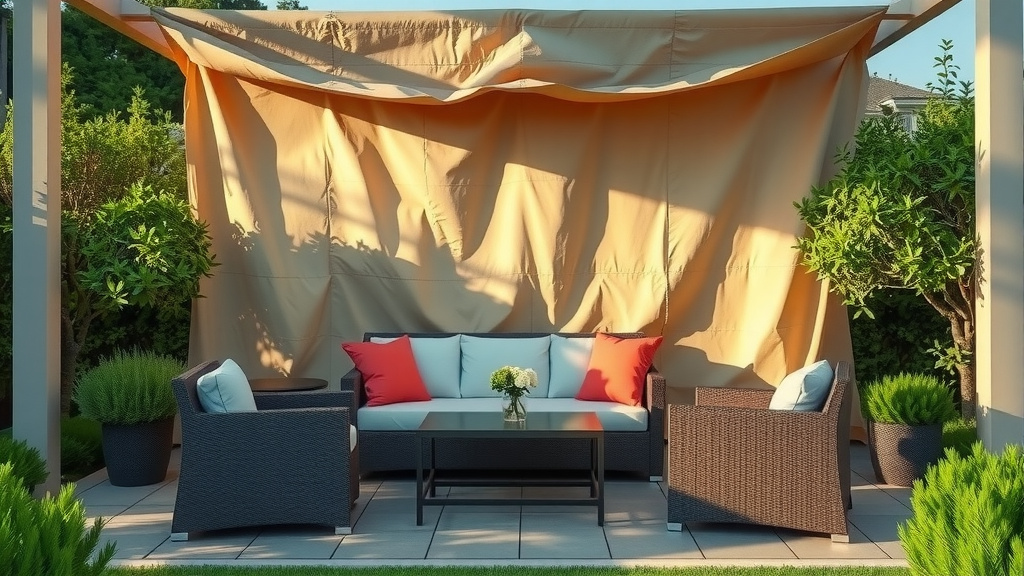
To secure a tarp over patio furniture, you should use a combination of sturdy bungee cords, durable ropes, and heavy anchor weights to protect your items from wind and rain. You can prevent your patio furniture from blowing away or getting damaged by ensuring the tarp has a tight fit and multiple secure attachment points.
- To truly protect your patio furniture, a secured tarp is a must, acting like a sturdy shield.
- You will want to gather strong ropes, bungee cords, and heavy objects like sandbags or bricks.
- The goal is to create tension and anchor points so the tarp does not flap or lift with the wind.
- Proper placement and combining different securing methods offer the best defense against harsh weather.
- Regular checks on your tarp’s stability help maintain its protective power throughout the season.
How To Secure A Tarp Over Patio Furniture?
Effectively securing a tarp over your patio furniture involves creating a snug, wind-resistant cover. By using multiple anchor points, applying consistent tension, and choosing the right fasteners, you can shield your outdoor pieces from the elements.
Picture your patio furniture as something precious. You wouldn’t leave a valuable painting out in the rain, right? Your patio set deserves similar care. A flapping tarp can cause more damage than no tarp at all, potentially scratching finishes or letting water seep in.
Why Bother Securing a Tarp? It’s More Than Just Covering Up
You might think simply throwing a tarp over your furniture is enough. But a loose tarp can act like a sail in the wind, pulling itself off or even taking your furniture with it. That’s not protection; that’s a potential disaster! We found that a well-secured tarp not only protects from rain and UV rays but also deters dirt, dust, and pests.
A properly secured tarp extends the life of your furniture. It prevents fading, cracking, and rust, saving you money in the long run. Think of it as an insurance policy for your outdoor living space (National Institute of Standards and Technology data often points to weatherproofing for longevity). It makes sense, doesn’t it?
Choosing the Right Tarp for Your Needs
Before you even think about securing, have you picked the right tarp? Not all tarps are created equal. You’ll want a tarp that is **heavy-duty and waterproof**. Look for tarps with reinforced grommets around the edges. These metal rings are key for attaching your securing tools.
A tarp with UV resistance is also smart. It helps prevent sun damage to the tarp itself, extending its life and, by extension, your furniture’s protection. Many experts say a thicker millage tarp offers superior protection and durability.
Essential Tools for a Rock-Solid Tarp Setup
You’ll need a few trusty sidekicks for this task. Here’s what we recommend keeping handy:
- Strong rope (nylon or polypropylene)
- Bungee cords (various lengths with hooks)
- Tarp clips or clamps
- Heavy objects (sandbags, bricks, concrete blocks)
- Scissors or a utility knife
- Optional: Furniture pads or old blankets for sharp edges
Having these tools ready makes the job much smoother. It’s like having the right ingredients before you start cooking.
Mastering the Art of Bungee Cord Security
Bungee cords are your best friends for securing a tarp. Their elasticity allows for a tight fit and helps absorb some wind stress. Hook one end through a tarp grommet and the other to a furniture leg or a sturdy anchor point. Think about creating a crisscross pattern over the furniture for **even tension distribution**.
You want the bungee cords taut but not overly stretched. Overstretching can weaken them or cause them to snap, which nobody wants. Using multiple cords ensures if one fails, the others can still hold.
The Power of Rope: Knots and Anchors
Rope offers immense strength and versatility. Thread a rope through several grommets, then tie it down to furniture legs, railings, or ground anchors. A good old-fashioned trucker’s hitch or a taut-line hitch can create incredible tension and adjustability. Many guides on outdoor living show these knots are quite useful.
When tying, ensure your knots are secure but not impossible to untie later. You’ll thank yourself when spring arrives. Always double-check your anchor points; they need to be stronger than the wind’s potential pull.
Adding Extra Grip with Tarp Clips and Clamps
Sometimes, your tarp might not have grommets exactly where you need them. That’s where tarp clips or clamps come in handy. These devices attach directly to the tarp fabric, giving you an **instant anchor point**. They are great for securing edges that might be flapping or for tightening loose spots. We found that these are especially good for irregularly shaped furniture.
Just be sure the clips you choose are robust and won’t damage the tarp. Look for clips designed for heavy-duty use. They provide a quick fix for problem areas and add to overall security.
Weight It Down: The Role of Heavy Anchors
Bungees and ropes are fantastic, but ground anchors add another layer of security. Sandbags, bricks, or even heavy planters can be placed on the edges of the tarp. They weigh down the sides, helping to prevent the tarp from lifting in strong gusts. We found that placing weights around the perimeter helps immensely with stability.
For even greater security, especially in very windy areas, consider attaching ropes from the tarp to ground stakes. These stakes are driven deep into the soil and provide an incredibly strong anchor point. Research often connects ground stakes with superior storm preparedness (National Weather Service advice).
Combining Methods for Ultimate Protection
Why choose one method when you can use several? The best strategy is a layered approach. Use bungee cords to secure the main body of the tarp to the furniture itself. Then, use ropes to tie down the entire setup to railings or ground anchors. Finally, place weights on the edges for extra stability.
This combined approach creates a robust, multi-point securing system. It’s like having multiple lines of defense against Mother Nature’s moods.
Furniture Pads: Protecting Against Wear and Tear
Before you even put the tarp on, consider padding any sharp corners or edges of your furniture. Old towels, blankets, or dedicated furniture pads can work wonders. This prevents the tarp from tearing and potentially damaging your furniture’s finish due to constant rubbing in the wind. Many experts say this small step adds great value to your tarp’s lifespan.
| Securing Method | Pros | Cons | Best Use |
|---|---|---|---|
| Bungee Cords | Flexible, easy to attach, good for tension. | Can degrade over time, prone to snapping. | Main tarp-to-furniture attachment. |
| Ropes & Knots | Very strong, highly adjustable tension. | Requires knot knowledge, can be slow to adjust. | Ground anchoring, heavy-duty securing. |
| Tarp Clips | Adds extra attachment points quickly. | Can damage tarp if cheap or overstretched. | Securing loose edges, filling gaps. |
| Heavy Weights | Simple, effective for ground stability. | Can be bulky, may shift in extreme wind. | Perimeter weighting, additional ground hold. |
Quick Checklist for Tarping Success
Before a storm hits or winter arrives, run through this quick list:
- Ensure furniture is clean and dry.
- Pad any sharp edges or corners.
- Drape the tarp evenly over the furniture.
- Attach bungee cords through grommets, creating tension.
- Tie ropes to secure the entire setup to stable anchors.
- Add heavy weights around the tarp’s perimeter.
- Check for any loose spots or flapping edges.
Don’t Forget About Proper Airflow
It sounds strange to mention airflow when you’re trying to keep things dry, right? But creating a little air circulation under the tarp helps prevent moisture buildup and mold growth. You can achieve this by not sealing the tarp completely to the ground. Let a small gap exist somewhere to allow air to move. Many household care guides suggest this for long-term storage.
Conclusion
Securing a tarp over your patio furniture doesn’t have to be a guessing game. By selecting the right tarp, using a combination of bungee cords, ropes, and weights, and applying a bit of careful thought, you can create a protective barrier that stands up to the weather. It’s about protecting your investment and ensuring your outdoor space is ready to enjoy when the better weather arrives. Your furniture will thank you!
Can I use duct tape to secure a tarp?
While duct tape might seem like a quick fix, we generally don’t recommend it for securing a tarp long-term. Duct tape can lose its adhesive in rain or extreme temperatures, and it may leave sticky residue on your furniture or tarp when removed. Stick to more reliable methods like bungees and ropes for proper protection.
How often should I check my secured tarp?
It’s a good idea to check your secured tarp regularly, especially after heavy rain, strong winds, or any significant weather changes. At minimum, check it once a week during the off-season. This helps you catch any loose spots or potential damage early, so you can make adjustments before bigger problems arise.
Will a tarp prevent mold from growing on my patio furniture?
A tarp can help keep your furniture dry and reduce the chances of mold. However, it won’t entirely prevent mold if there’s no air circulation. As we discussed, try to allow a small amount of airflow under the tarp, and ensure your furniture is completely dry before covering it. This combination is your best defense against mold.
What if my patio doesn’t have anything to tie ropes to?
If you lack convenient anchor points like railings or posts, you can use heavy items like large planters, sturdy buckets filled with sand or water, or concrete blocks. Ground stakes driven into the lawn or garden area near your patio also work very well. The goal is to provide weight and firm resistance against wind lift.
Are custom-fitted furniture covers better than tarps?
Custom-fitted furniture covers often offer a more tailored, aesthetic look and can be easier to secure due to built-in straps or elastic hems. They might also be made from breathable, waterproof materials. While a well-secured tarp provides excellent protection, custom covers are often designed specifically for furniture protection, sometimes offering a slight edge in convenience and appearance. It often comes down to budget and specific needs.
