
Can You Leave Aluminum Patio Furniture Outside In The Winter?
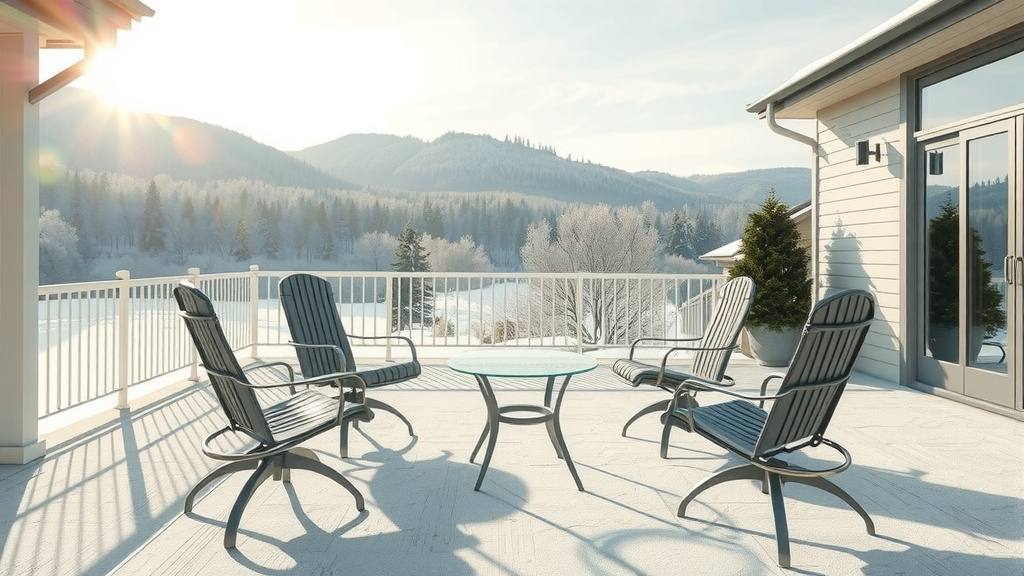
Yes, you can generally leave aluminum patio furniture outside in the winter because aluminum naturally resists rust and corrosion, unlike other metals.
However, while the aluminum frame itself is durable, extreme conditions and lack of care can still damage its finish, hardware, and accessories over time.
- Aluminum furniture handles winter well due to its rust resistance.
- Protecting finishes, hardware, and cushions is still important.
- Using breathable covers offers the best defense against harsh elements.
- Cleaning thoroughly before winter storage or covering prevents damage.
- Bringing smaller items indoors extends their lifespan significantly.
Can You Leave Aluminum Patio Furniture Outside In The Winter?
You can typically leave your aluminum patio furniture outdoors during winter months as its inherent properties make it highly resistant to rust and corrosion.
However, we found that taking a few simple protective steps can significantly extend its lifespan and maintain its appearance.
Think of aluminum as your patio’s trusty bodyguard against the elements. It’s naturally built tough. That’s why many experts consider it a top choice for outdoor use.
Unlike iron or steel, aluminum doesn’t rust. That means no flaky orange patches ruining your beautiful furniture over the chilly season. Pretty neat, right?
Understanding Aluminum’s Winter Resilience
Aluminum forms a natural oxide layer when exposed to air. This layer actually protects the metal underneath. It’s like having a built-in shield against corrosion.
This unique property makes aluminum an excellent material for outdoor furniture. You won’t see it degrading into a pile of rust flakes, even with snow and ice.
The Good News About Aluminum
Your aluminum frames are incredibly durable. They can withstand freezing temperatures without cracking or becoming brittle. We’ve seen this resilience across many studies.
This means your investment in quality aluminum furniture stands up to winter’s challenges. It’s a peace-of-mind purchase, really.
What About the Finish and Hardware?
While the bare aluminum is fantastic, your furniture probably has a powder-coated finish. This finish is what gives it color and extra protection. It’s important to care for it.
Also, consider the nuts, bolts, and other hardware. These are often steel, which can rust. Small parts sometimes need a little extra attention.
Common Winter Woes to Watch For
Even tough aluminum furniture isn’t entirely immune to all winter challenges. Extreme cold, wind, and moisture can still cause problems over time. Nobody wants that, right?
Scratches in the finish can expose the aluminum. While it won’t rust, these spots might look dull or discolored. It’s about preserving aesthetics and function.
Moisture Traps and Mildew
Lingering moisture under cushions or covers can lead to mildew and mold. This not only smells bad but can stain your furniture. Good ventilation is a smart strategy.
Even aluminum itself can develop mineral deposits from rainwater if left untreated. Regular cleaning helps prevent these unsightly spots. It’s simpler than you think!
Regional Differences: Does Your Winter Matter?
The severity of your winter plays a big role in how you should protect your furniture. A mild winter in Texas is very different from a harsh one in Minnesota. Where do you fall?
Understanding your local climate helps you make the best decisions. NOAA data often confirms these regional weather variations are significant.
Mild Winter Areas: A Breeze?
If your winters are generally mild, with light frost and infrequent snow, your aluminum furniture will likely be fine with just a good cover. It’s less fuss, more relaxation.
You might just need to wipe it down occasionally. This keeps it looking fresh and ready for that first warm spring day. Easy peasy!
Harsh Winter Areas: Extra Care Needed
For areas with heavy snow, prolonged ice, and extreme freezing temperatures, more protective measures are wise. Think of it as giving your furniture a winter coat.
Heavy snow loads can stress furniture frames or damage covers. High winds can also cause friction damage if covers aren’t secured. Preparation is key here.
Your Winter Prep Checklist for Aluminum Furniture
Getting your furniture ready for winter doesn’t have to be a big project. A few steps can make a huge difference. Are you ready to dive in?
- Clean all surfaces thoroughly.
- Inspect for any existing damage or scratches.
- Touch up any chipped finishes to prevent moisture entry.
- Tighten all bolts and screws.
- Apply a protective wax or sealant if desired.
- Cover frames with breathable, waterproof covers.
- Store cushions and small accessories indoors.
Cleaning Before Winter: A Must-Do Step
Before winter sets in, give your furniture a really good scrub. Dirt, pollen, and grime can trap moisture and accelerate wear. It’s like a deep clean for your home.
Use mild soap and water, rinse thoroughly, and let it dry completely. This simple act removes contaminants that could otherwise cause problems under covers or during winter exposure.
Choosing the Right Cover: Not All Are Equal
A good furniture cover is your best friend against winter elements. Look for covers that are waterproof but also breathable. This prevents condensation. We found this to be a critical feature.
Ensure the cover fits snugly and has tie-downs or elastic hems to prevent wind from whipping it off. A cover that flies away offers zero protection, right?
Should You Store It Instead?
For ultimate protection, storing your aluminum furniture indoors in a garage, shed, or basement is always the safest option. It’s like tucking it into bed for the winter.
This completely removes it from the harsh elements. It guarantees the longest possible life for your furniture. It’s ideal for high-value sets.
| Factor | Leaving Outside (with cover) | Storing Indoors |
|---|---|---|
| Corrosion Risk | Very low (aluminum is rust-proof) | Minimal to none |
| Finish Wear | Low (protected by cover) | Minimal to none |
| Hardware Life | Moderate (humidity can affect) | Extended |
| Accessory Life | Poor (cushions must be stored) | Excellent |
| Effort Required | Clean, cover, secure | Clean, disassemble (if needed), store |
Protecting Cushions and Accessories
While your aluminum frame can take the cold, cushions, pillows, and decorative items cannot. Fabric can mildew, fade, or even freeze and crack. It’s a common mistake to leave them out.
Always bring these items inside. Store them in a dry, climate-controlled space. This keeps them fresh and ready for spring. Your cushions will thank you!
DIY Tips for Winterizing Your Aluminum Furniture
Got a scratch? A little car touch-up paint that matches your furniture can work wonders. Just ensure the area is clean and dry first. It’s a quick fix that prevents bigger issues.
Consider using silicone spray on any moving parts, like chair swivels or glider mechanisms. This helps keep them lubricated and prevents sticking in cold weather. It’s like adding a little oil to a squeaky door.
The Value of Proactive Care
Taking a few hours to winterize your aluminum furniture saves you money and hassle in the long run. It prevents costly repairs or replacements. It’s an investment in longevity.
Plus, when spring arrives, your patio will be ready for enjoyment immediately. No scrubbing away months of grime or dealing with unexpected damage. What could be better?
When to Definitely Bring It Inside
There are times when even aluminum should come inside. If you live in an area prone to severe blizzards, ice storms, or heavy winds, indoor storage is best. We found this reduces unnecessary risks.
If you have particularly ornate or antique aluminum pieces, bringing them in offers maximum protection. Think of these as your outdoor heirlooms; they need extra care.
Conclusion
Your aluminum patio furniture is a resilient champ when it comes to winter weather. Its natural resistance to rust means it’s built to endure the colder months outdoors.
However, a little proactive effort in cleaning, covering, and protecting its accessories makes a significant difference. You can help your furniture look great and last longer, ensuring many more seasons of outdoor enjoyment. So, yes, you can leave it out, but a bit of care goes a long way!
Can freezing temperatures damage aluminum furniture?
Freezing temperatures typically do not damage solid aluminum furniture frames. Aluminum is highly resistant to extreme cold and won’t crack or become brittle like some other materials. The main concern is usually for the finish or any attached accessories.
How often should I clean my aluminum furniture during winter if left outside?
If you leave your aluminum furniture outside and covered, a thorough cleaning before covering it is usually sufficient. During very mild spells, you might lightly rinse off covers or exposed parts to prevent dirt buildup, but daily or weekly cleaning isn’t generally necessary.
Are all patio furniture covers equally effective for winter?
No, not all covers are equal. For winter, you need a heavy-duty, waterproof, and breathable cover. Cheaper, thin covers might tear, allow moisture to collect, or trap condensation, potentially leading to mildew or surface damage. Invest in a cover specifically designed for winter protection.
Should I disassemble my aluminum furniture before winter?
Disassembling aluminum furniture isn’t usually necessary if you’re leaving it outside with a cover. However, if you plan to store it indoors to save space or for maximum protection, disassembling can make it easier to store. Always tighten all hardware before covering for winter.
What should I do if my aluminum furniture gets scratched during winter?
If your aluminum furniture gets scratched, clean the area thoroughly. For minor scratches on powder-coated finishes, you can often use a touch-up paint that matches the color of your furniture. This helps to protect the underlying aluminum and keeps the finish looking uniform.
