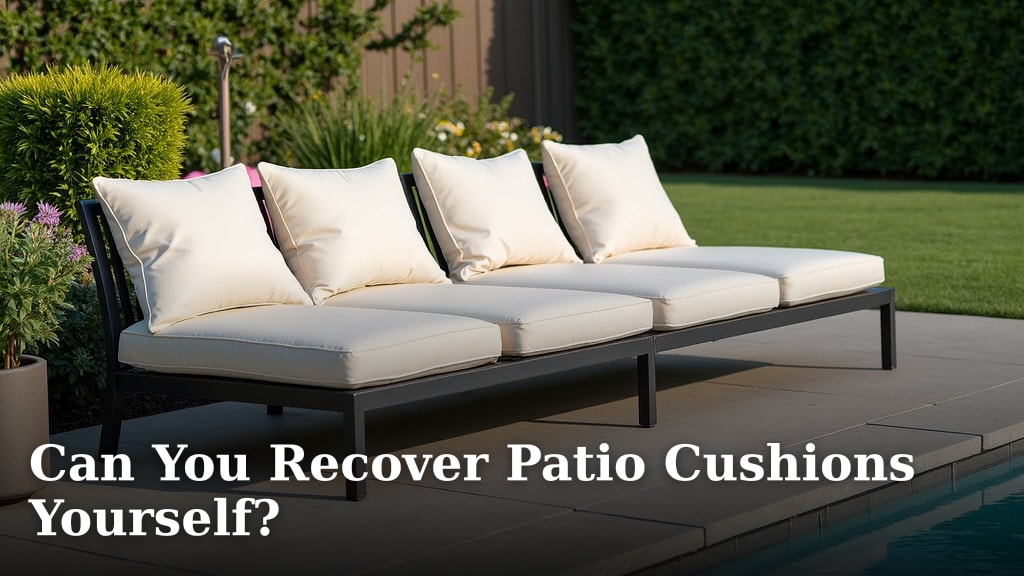
Can Patio Furniture Cushions Get Wet?
On this page (4 sections)
Yes, patio furniture cushions can get wet, but their ability to withstand moisture varies greatly depending on their material and construction.
Exposure to rain or spills can lead to mildew, mold, and damage if cushions are not designed for outdoor use or properly cared for.
Here’s a quick rundown of what you need to know about your patio cushions:
- Most patio cushions offer some water resistance, but they are rarely fully waterproof.
- Trapped moisture inside cushions creates a perfect environment for mold and mildew.
- Choosing cushions with quick-drying fabrics and foam is important for outdoor longevity.
- Regular cleaning and proper storage will significantly extend your cushion’s life.
- Preventative measures, like covers or storage, are your best defense against water damage.
Can Patio Furniture Cushions Get Wet?
Yes, patio furniture cushions can definitely get wet, but the important question is how well they handle it and what happens afterwards. For wicker frames, see how wicker furniture handles rain. The furniture frame matters too; see how patio furniture handles getting wet.
Many are designed with some resistance, but few are truly waterproof, meaning water can often seep inside.
Water-Resistant vs. Waterproof: A Key Difference
Understanding the difference between “water-resistant” and “waterproof” is a game-changer for patio furniture owners. For a closer look, read whether patio furniture cushions are waterproof.
It’s a common point of confusion, and knowing this helps you make smarter choices for your outdoor space.
Understanding “Water-Resistant”
Think of water-resistant as having an umbrella. It will repel a light drizzle or a splash for a while, but a downpour will eventually soak through.
Most patio cushions fall into this category. They have coatings or tight weaves that make water bead up and roll off initially.
However, if water sits on them, or if the rain is persistent, the moisture will begin to penetrate the fabric and reach the inner filling.
When Something is Truly “Waterproof”
True waterproof items are like a submarine; they are designed to completely prevent water from entering, no matter the conditions.
These typically feature impermeable barriers or sealed seams, which are rare for standard patio cushions.
When you see “waterproof” with cushions, it usually means the outer cover is highly resistant, but the seams might not be fully sealed.
What Happens When Cushions Stay Wet?
Leaving your cushions wet is like inviting trouble to your backyard party. It leads to a host of problems that nobody wants to deal with.
Moisture, warmth, and organic material create the ideal conditions for unwanted growth and damage.
The Threat of Mold and Mildew
This is probably the biggest concern. Mold and mildew thrive in damp, dark environments, and wet cushion interiors are perfect breeding grounds.
You might notice black spots, a musty odor, or even discoloration on your cushions (Research from environmental agencies often highlights this point).
Beyond looking unsightly, mold can weaken fabric fibers and may pose health concerns for sensitive individuals.
Unwanted Smells and Stains
A wet cushion often develops a lingering, unpleasant, musty smell that can be hard to remove.
These odors come from bacterial growth and mildew. You might also see stubborn water stains or discoloration that diminish your cushion’s appeal.
Material Breakdown Over Time
Constant exposure to moisture can cause the cushion’s foam to break down, losing its firmness and shape.
The fabric can also weaken, becoming brittle or tearing more easily, reducing the overall lifespan of your cushions.
Nobody wants saggy, worn-out cushions before their time, right?
Best Materials for Outdoor Cushions
Choosing the right material makes a huge difference in how your cushions handle the elements.
It’s like selecting the right coat for the weather – you want something that performs well.
- Acrylic Fabrics: Brands like Sunbrella or Outdura are top choices. They resist fading and repel water well.
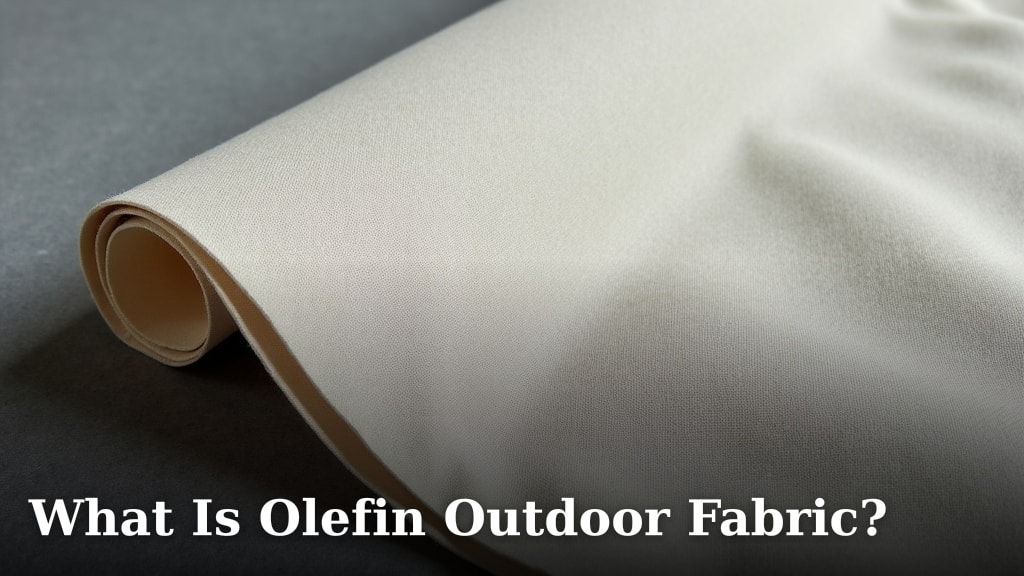
- Olefin: A synthetic fabric known for its durability, resistance to moisture, and quick drying time.
- Textilene: Often a mesh material, excellent for quick drying and breathability, though sometimes less soft.
- Polyester (Treated): Look for outdoor-grade polyester with special water-resistant coatings for better performance.
Fabric Types That Resist Moisture
When you’re shopping, look for fabrics that boast water-resistant or quick-drying properties.
Acrylic fabrics, for example, are known for their ability to withstand rain and UV rays without breaking a sweat, so to speak (Many experts say this is a premium choice).
Olefin is another fantastic option, offering good water resistance and quick drying at a friendly price point.
Choosing the Right Inner Filling
The inside of your cushion is just as important as the outside fabric. Some fillings are much better at handling moisture than others.
Open-cell foam allows water to drain and air to circulate, helping it dry faster. Closed-cell foam repels water entirely but can feel firmer.
Polyester fill can be a good choice if it’s designed for outdoor use, but it needs to be able to drain moisture effectively.
Practical Steps to Protect Your Cushions
Protecting your patio cushions doesn’t need to be complicated. A few simple habits can make a tremendous difference.
Think of these as small investments that yield big returns in longevity and appearance.
Quick Tips for Rainy Days
When the clouds roll in, do you panic or have a plan? A little preparation goes a long way here.
- Bring Them Inside: The simplest solution is to bring cushions indoors during heavy rain or storms.
- Use Cushion Covers: Invest in waterproof covers specifically designed for your patio furniture or cushions.
- Store in a Deck Box: A watertight deck box or storage container keeps cushions dry and protected.
- Tilt Cushions: If you can’t move them, try tilting cushions on their side to encourage water run-off.
- Consider a Patio Cover: A pergola, umbrella, or awning can offer overhead protection for your entire patio setup.
Cleaning Damp or Soaked Cushions
Accidents happen, and sometimes cushions simply get wet. Knowing how to clean them properly can prevent lasting damage.
It’s a straightforward process, but timing and technique are key.
| Step | Description |
|---|---|
| 1. Act Quickly | Remove cushions from water as soon as possible. Don’t let them sit. |
| 2. Remove Covers | If covers are removable, take them off. Wash according to manufacturer’s instructions. |
| 3. Squeeze Out Water | Gently press or squeeze excess water from the foam or filling. Do not twist or wring. |
| 4. Air Dry Thoroughly | Stand cushions on end in a well-ventilated, sunny spot. Rotate them to ensure all sides dry. |
| 5. Check for Mildew | Once dry, inspect for any signs of mold or mildew. |
Dealing with Stubborn Mildew
If you find mildew, don’t despair! A simple solution of diluted bleach (1 part bleach to 4 parts water) or white vinegar (equal parts vinegar and water) can help.
Always test on an inconspicuous spot first. Scrub gently with a soft brush, then rinse completely and allow to dry fully.
Extending the Life of Your Patio Cushions
Your patio cushions are an investment in comfort and style for your outdoor living space. Proper care ensures they last longer.
Regular maintenance, much like tuning up your car, keeps them in prime condition season after season.
Store them away during the off-season, cover them during heavy rain, and clean them periodically. These simple actions truly pay off.
Conclusion
So, can patio furniture cushions get wet? Absolutely, but the real question is how you manage that moisture. For the broader question, read whether it is okay for patio furniture to get wet. Understanding the difference between water-resistant and waterproof is your first line of defense.
Choosing the right materials and adopting simple protective habits will keep your cushions looking great and feeling comfortable for many years. Don’t let a little rain ruin your outdoor relaxation!
Frequently Asked Questions
Can I leave my patio cushions out in the rain overnight?
While many cushions are water-resistant, leaving them out overnight in the rain is generally not recommended. Prolonged exposure can lead to water saturation, promoting mold, mildew, and damage to the inner filling. It’s best to bring them inside or cover them if you expect rain.
How do I prevent my cushions from getting moldy?
To prevent mold, ensure cushions dry completely after any moisture exposure. Store them in a dry place during wet weather or off-season. Choose quick-drying, mold-resistant fabrics like acrylic or olefin. Regularly clean them with a mild soap and water solution, and always allow them to air dry thoroughly.
Is it better to have removable cushion covers?
Yes, removable cushion covers are highly advantageous. They make cleaning much easier, as you can typically machine wash them according to the fabric care instructions. This also allows you to treat stains or mildew on the cover without needing to soak the entire cushion.
What’s the best way to store patio cushions during winter?
For winter storage, ensure your cushions are completely clean and dry to prevent mold or mildew growth. Store them in a cool, dry, well-ventilated area, like a garage, shed, or attic. Using breathable storage bags can protect them from dust and pests while allowing some air circulation.
Can I use a waterproof spray on my existing cushions?
You can use a fabric waterproofing spray to enhance the water resistance of your existing cushions. These sprays create a protective barrier that helps water bead up and roll off. Always clean your cushions first, and follow the product’s instructions carefully for application and drying. Reapply periodically for best results.