Can You Leave Patio Furniture Outside?
On this page (8 sections)
- Can You Leave Patio Furniture Outside?
- Weather Warriors: Furniture Materials That Can Stay Outside
- Materials That Need a Little Extra Love
- Strategies for Protecting Your Patio Furniture
- Decoding Weather Resistance: A Quick Look
- Seasonal Strategies for Longevity
- Your Winter Patio Furniture Checklist
- Conclusion
You can leave patio furniture outside, but its resilience to the elements depends heavily on the materials used and your local climate conditions.
For maximum longevity and appearance, understanding your furniture’s specific needs and providing seasonal protection will make a big difference.
Here’s a quick overview of what you’ll find in this article:
- Most patio furniture can stay outside, but its durability varies greatly by material.
- Different materials like wicker, aluminum, and wood require specific care for outdoor use.
- Weather conditions such as sun, rain, and snow significantly impact furniture lifespan.
- Protective covers, regular cleaning, and proper storage are key to long-lasting patio pieces.
- Simple steps can help you enjoy your outdoor living space for years to come.
Can You Leave Patio Furniture Outside?
Yes, you can leave most patio furniture outside, but not all materials handle every season equally well. It really comes down to what your furniture is made from and where you live.
The Big Picture: Material Matters Most
Think of your patio furniture like people – some thrive in the sun, others prefer shade. The material dictates how well it will endure rain, UV rays, snow, and fluctuating temperatures. For a closer look at one seating option, see outdoor benches in the rain.
Some furniture is designed for year-round outdoor exposure, while other types need a bit more TLC. Ignoring these differences can lead to premature wear and tear.
Understanding Your Local Climate
Where do you live? This isn’t just a fun fact; it’s vital for your patio furniture. A sunny desert climate poses different challenges than a humid, rainy coastal area, or a region with harsh winters.
UV radiation, humidity levels, freezing temperatures, and strong winds all play a role. We found that intense sun can fade colors, while constant moisture can lead to rust or mildew.
Weather Warriors: Furniture Materials That Can Stay Outside
Some materials are natural champions against the elements. You might be surprised by their resilience.
Aluminum: Lightweight & Rust-Resistant
Aluminum patio furniture is often a top choice for outdoor durability. It naturally resists rust, which is a big win, especially in wet areas.
While it can handle rain and sun, some finishes might fade over many years. For cold-weather guidance, see leaving aluminum furniture outside in winter. Many experts say a quick wipe-down and occasional cleaning keep it looking its best.
Wrought Iron: Heavy-Duty & Sturdy
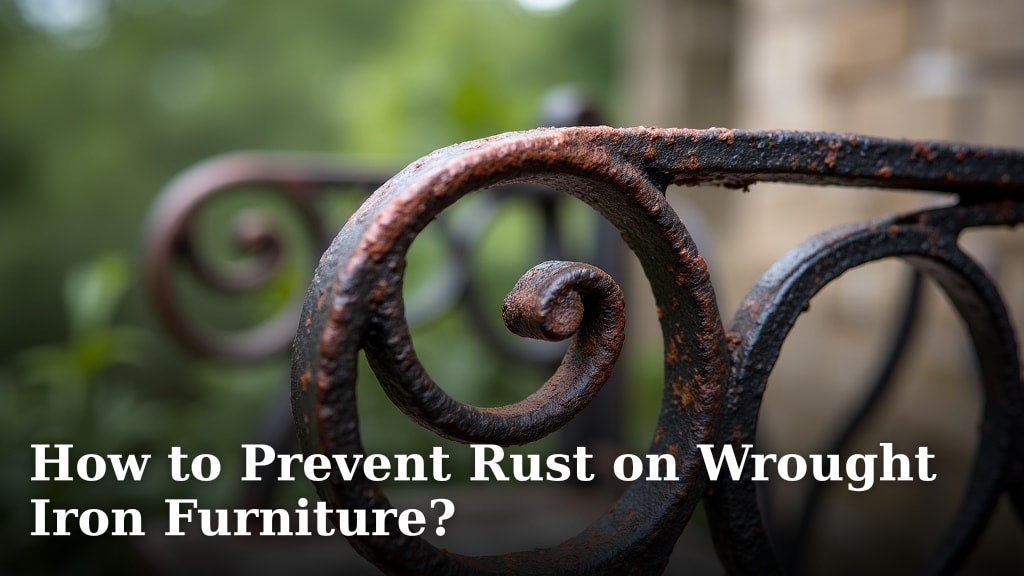
Wrought iron is incredibly strong and heavy, making it resistant to wind. It can stay outside, but it needs proper care to prevent rust, particularly if its protective coating chips.
Regular inspection for scratches and prompt touch-ups can extend its life significantly. We found that a good quality paint job makes all the difference.
All-Weather Wicker: Synthetic Durability
When we talk about “wicker” for outdoor use, we’re usually referring to synthetic resin wicker. This material is designed to resist UV fading, moisture, and temperature changes.
It’s a fantastic option for year-round outdoor living. Just remember that the cushions, if left out, might need more attention to prevent mildew.
Plastic & Resin: Economical & Resilient
Plastic and resin furniture are generally very resilient and low-maintenance. They won’t rust or rot, and they clean up easily with soap and water.
However, cheaper plastics might become brittle or fade in direct, prolonged sunlight. Better quality resin pieces offer improved UV resistance and longevity.
Materials That Need a Little Extra Love
Not all heroes wear capes, and not all furniture can brave every storm without some help.
Wood: Natural Beauty Needs Protection
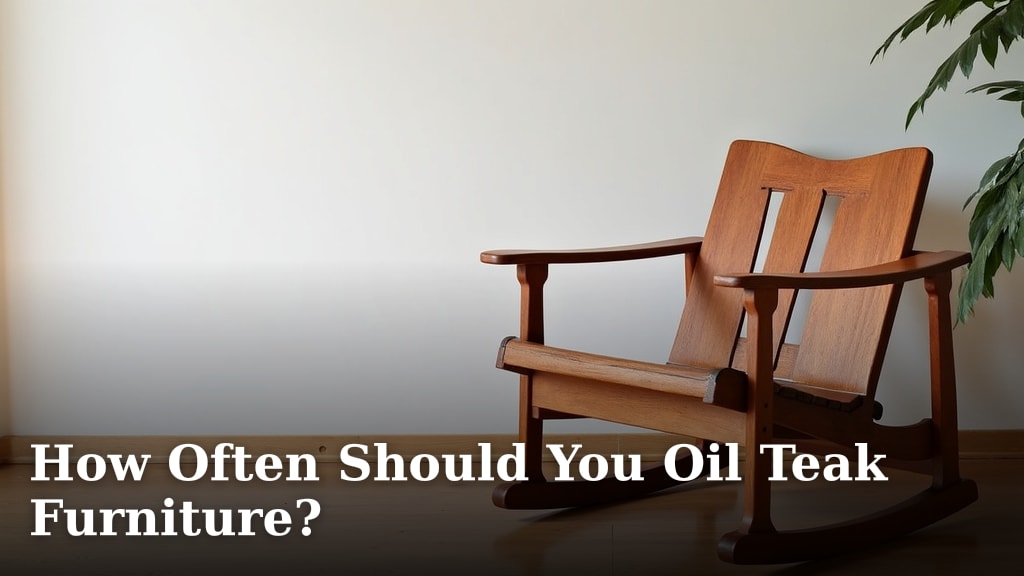
Wood furniture, like teak, cedar, and eucalyptus, offers natural charm. Teak is highly prized for its natural oils, making it quite weather-resistant without much fuss.
Other woods, however, need regular sealing or staining to protect against moisture, rot, and UV damage. Without care, they can crack, warp, or develop mildew.
Steel: Strong but Prone to Rust
While strong, steel furniture needs good powder coating to prevent rust. For more on cold-weather care, see metal patio furniture in winter. If that coating is compromised, water can get in and cause rust quickly.
It’s often best to cover steel pieces or store them during heavy rain and winter. Keep an eye out for any chips or scratches that could invite rust.
Cushions and Fabrics: The Soft Side of Outdoor Living
Most outdoor cushions are made from weather-resistant fabrics, but “resistant” doesn’t mean “invincible.” They can still develop mold and mildew if consistently wet.
It’s always a good idea to bring cushions indoors during heavy rain or when not in use for extended periods. This simple step keeps them fresh and clean (Mayo Clinic).
Strategies for Protecting Your Patio Furniture
Want your furniture to last? A little proactive effort goes a long way. Think of it as putting on sunscreen for your furniture.
Invest in Quality Furniture Covers
Furniture covers are like raincoats for your outdoor pieces. They shield against rain, snow, UV rays, dirt, and even bird droppings.
Look for covers that are waterproof, breathable, and have tie-downs to prevent them from blowing away. This is one of the easiest ways to extend life.
Consider Seasonal Storage Options
If you live in an area with harsh winters or extreme weather, indoor storage is the ultimate protection. Garages, sheds, or basements offer a safe haven.
Even a covered patio or porch can provide significant protection compared to being fully exposed. This is especially true for items with fabrics or intricate details.
Regular Cleaning and Maintenance
A little elbow grease now saves a lot of headaches later. Regular cleaning removes dirt, pollen, and debris that can degrade materials over time.
Use mild soap and water, and always follow the manufacturer’s cleaning instructions. For wood, reapply sealants as needed. This simple routine keeps things looking great.
Decoding Weather Resistance: A Quick Look
Here’s a snapshot of how common materials stand up to the elements without a cover. Keep in mind, a cover always helps!
| Material | Sun Resistance | Rain Resistance | Winter/Snow Resistance | Care Level |
|---|---|---|---|---|
| Aluminum | High (some fading possible) | Very High (rust-proof) | High (safe to leave out) | Low |
| All-Weather Wicker | High (UV stabilized) | High | Medium (can become brittle in extreme cold) | Low-Medium |
| Teak Wood | Medium (patinas to gray) | High (natural oils) | High (safe to leave out) | Low-Medium |
| Wrought Iron | High | Medium (rusts if coating chipped) | Medium (needs rust prevention) | Medium-High |
| Plastic/Resin | Medium (fades, can get brittle) | High | Low (can crack in cold) | Low |
| Steel | High | Low (rusts quickly if coating chipped) | Low (rust risk) | High |
Seasonal Strategies for Longevity
Your furniture’s journey through the year is important. What do you do when the seasons change?
Spring Refresh: Waking Up Your Patio
After winter, it’s time to clean. Wash away any grime or mildew that might have accumulated. Check for loose bolts or damaged areas that need repair.
This is also a great time to apply any necessary sealants or paint touch-ups. A little spring cleaning sets the stage for enjoyable outdoor living.
Summer Care: Battling Sun and Rain
Summer means more use, more exposure. Keep an eye on your cushions – flip them or store them during heavy downpours. Wipe spills quickly to prevent stains.
Consider moving furniture to shaded areas during the hottest parts of the day if possible. This helps to minimize UV exposure and fading.
Fall Prep: Getting Ready for the Cold
As temperatures drop and leaves fall, it’s time to prepare for winter. Give everything a thorough cleaning before covering or storing.
Ensure furniture is completely dry before covering to prevent mildew. Remove any standing water from frames. This crucial step prevents winter damage.
Your Winter Patio Furniture Checklist
Before winter arrives, run through this quick checklist to ensure your furniture is protected:
- Clean all furniture thoroughly to remove dirt and debris.
- Ensure everything is completely dry to prevent mold and mildew.
- Apply protective sealants or waxes to wood or metal as needed.
- Cover furniture with high-quality, breathable outdoor covers.
- Store cushions and other fabrics indoors in a dry place.
- If possible, move smaller or more delicate items into a shed or garage.
Conclusion
Ultimately, you can leave most patio furniture outside, but the real question is how long you want it to last. Understanding your materials and local climate is your superpower here.
With a bit of care – whether that’s regular cleaning, using covers, or seasonal storage – you can significantly extend the life and beauty of your outdoor investment. Enjoy your outdoor oasis!
Frequently Asked Questions
Should I bring cushions inside every night?
While not strictly necessary every single night, bringing cushions indoors during heavy dew, rain, or when not in use for a few days can significantly prolong their life and prevent mold or mildew growth. Many experts say it’s a simple habit that pays off.
How often should I clean my patio furniture?
A good rule of thumb is to clean your patio furniture thoroughly at the beginning and end of each season. For high-use items or those in dusty environments, a quick wipe-down every few weeks helps maintain their appearance and prevents dirt buildup.
Can freezing temperatures damage my patio furniture?
Yes, freezing temperatures can damage some materials. Plastics can become brittle and crack, while wood can split or warp due to moisture freezing and expanding. Metal frames are usually fine, but any trapped water in hollow tubing could also cause issues.
Is it better to cover furniture or store it indoors?
Storing furniture indoors offers the best protection against all elements, including extreme temperatures and humidity. If indoor storage isn’t an option, high-quality, breathable covers are the next best solution, providing substantial protection against weather and debris.
What’s the best way to prevent rust on metal patio furniture?
For metal furniture, especially steel or wrought iron, preventing rust starts with maintaining the protective coating. Regularly inspect for chips or scratches and touch them up promptly. Keeping the furniture dry and using breathable covers during wet seasons also helps immensely.