What Is The Most Comfortable Patio Furniture?
The most comfortable patio furniture typically features deep, plush cushions, ergonomic designs that support your body, and materials that offer a pleasant touch and feel.
Comfort often comes from a blend of ample padding, suitable frame construction, and ease of use, inviting relaxation for extended periods outdoors.
Here’s a quick overview of what makes patio furniture truly comfortable:
- Deep, high-quality cushions are key to long-lasting comfort.
- Ergonomic designs and proper support for your back and body make a big difference.
- Consider durable, weather-resistant materials that feel good against your skin.
- The right furniture type, from sectionals to recliners, matches your relaxation goals.
- Easy maintenance means more time enjoying comfort, less time worrying.
What Is The Most Comfortable Patio Furniture?
When you seek the ultimate outdoor lounging experience, you’re looking for patio furniture that feels like an extension of your indoor comfort.
It’s all about a harmonious blend of soft support, smart design, and materials that stand up to the elements.
The Foundation of Comfort: Cushions and Padding
Picture yourself sinking into your outdoor sofa. What makes it amazing? It’s usually the cushions. They are the first line of defense against an uncomfortable frame.
Good cushions invite you to relax and stay awhile, making your patio an extension of your cozy living room.
Understanding Cushion Fillings
Cushion filling truly defines the comfort experience. You’ll often find options like foam, polyester fill, or a mix of both.
Many experts say that high-density foam provides firm, lasting support, while polyester fibers add a fluffy softness (National Association of Outdoor Living Experts).
The best options balance both for a “just right” feeling.
The Importance of Cushion Thickness and Density
Thicker cushions, generally 4 to 6 inches, offer a more luxurious feel. They provide better absorption and prevent you from feeling the furniture frame below.
Density refers to the firmness of the foam. A denser cushion holds its shape better and lasts longer, preventing that frustrating “flat spot” over time.
Ergonomics: Designed for Relaxation
Comfort isn’t just about softness. It’s also about how the furniture interacts with your body. Ergonomics is the science of design for human comfort.
Do you notice how some chairs just feel “right”? That’s good ergonomic design at play, often supporting your body’s natural curves.
Back and Lumbar Support Matters
A comfortable patio chair should support your lower back, your lumbar region. Slouching isn’t relaxing in the long run, is it?
We found that furniture with a slight recline and contoured backrests helps maintain good posture even while lounging (Research on Outdoor Furniture Design).
Armrest and Leg Rest Considerations
Think about where your arms naturally rest. Are the armrests at a comfortable height? Are they wide enough to offer support?
For ultimate relaxation, consider options with built-in or matching ottomans and leg rests. These allow you to elevate your feet, which can reduce pressure and enhance comfort.
Material Choices for Ultimate Comfort
The materials your patio furniture is made from play a big role in its comfort. It’s not just about looks; it’s also about touch and durability.
Some materials are naturally softer, while others require good cushioning to be truly comfortable.
Wicker and Rattan Comfort
Wicker and rattan offer a classic, appealing look. They are usually lightweight and can be very comfortable when paired with deep cushions.
Synthetic wicker, often made from resin, is weather-resistant and comes in many styles. Its woven texture can also add a subtle give, enhancing the overall feel.
Textilene and Sling Fabrics
For chairs that don’t rely heavily on cushions, sling fabrics like Textilene are popular. This material is breathable, quick-drying, and resistant to fading.
While not as plush as deep cushions, good quality sling chairs offer a supportive, hammock-like feel that many find quite comfortable for dining or sunbathing.
Wood and Metal Frames: Support vs. Feel
Wooden frames, like teak or acacia, are strong and can add a natural warmth to your patio. They are durable, but remember, the comfort comes mostly from the cushions.
Metal frames, such as aluminum or wrought iron, offer excellent stability. Aluminum is rust-resistant and lightweight, making it easy to move. Wrought iron is heavy and sturdy, resisting strong winds.
Top Patio Furniture Types for Comfort
Different types of patio furniture are designed for various levels of comfort and activity. What’s your outdoor style?
Do you love to sprawl out, or do you prefer an upright sit for conversation? Your comfort choice depends on your ideal outdoor experience.
| Furniture Type | Comfort Level (1-5, 5=Most) | Best For | Key Comfort Feature |
|---|---|---|---|
| Deep Seating Sectional | 5 | Lounging, entertaining, napping | Plush cushions, expansive seating |
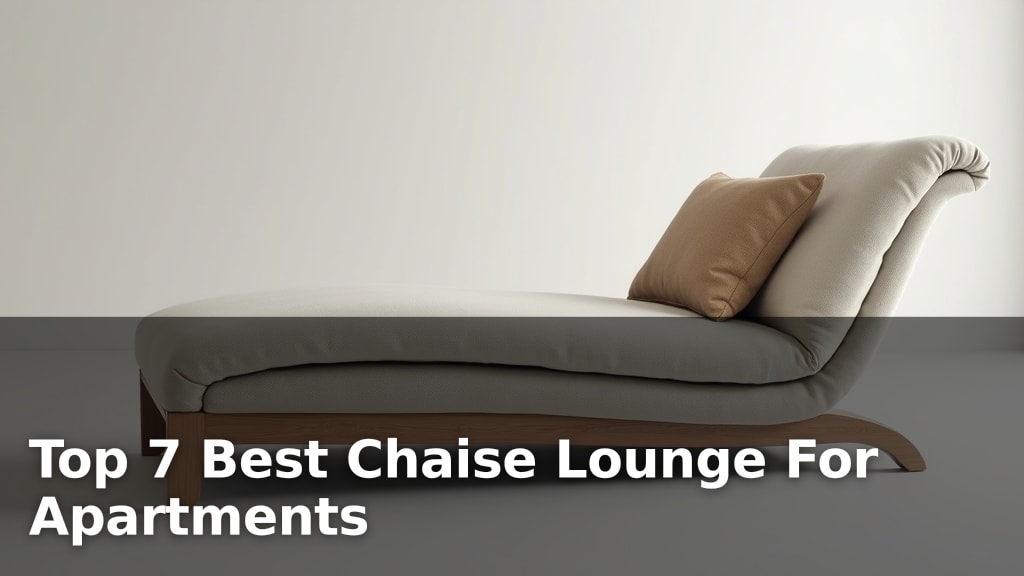
| Recliner/Chaise Lounge | 5 | Sunbathing, reading, ultimate relaxation | Adjustable back, leg support |
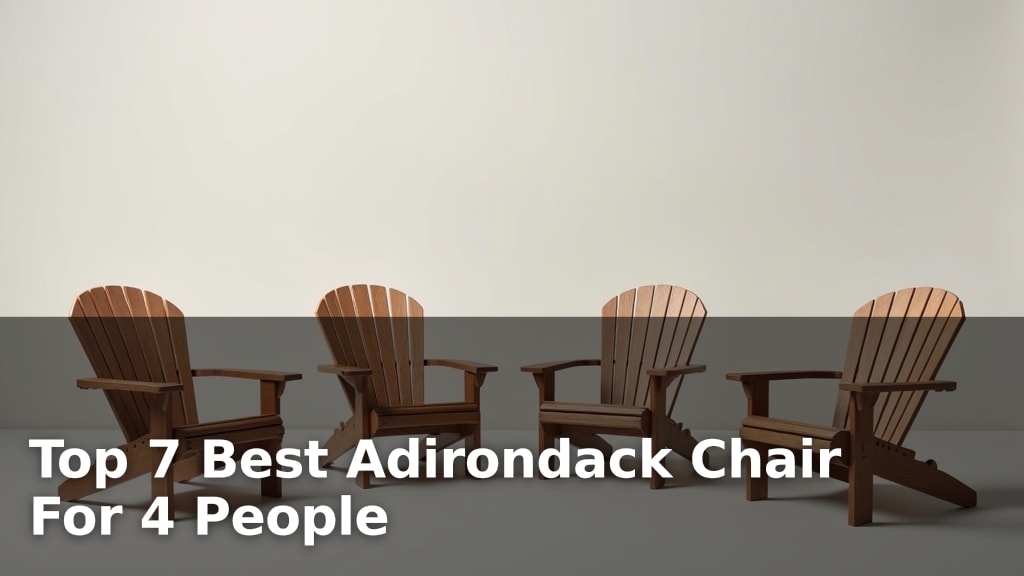
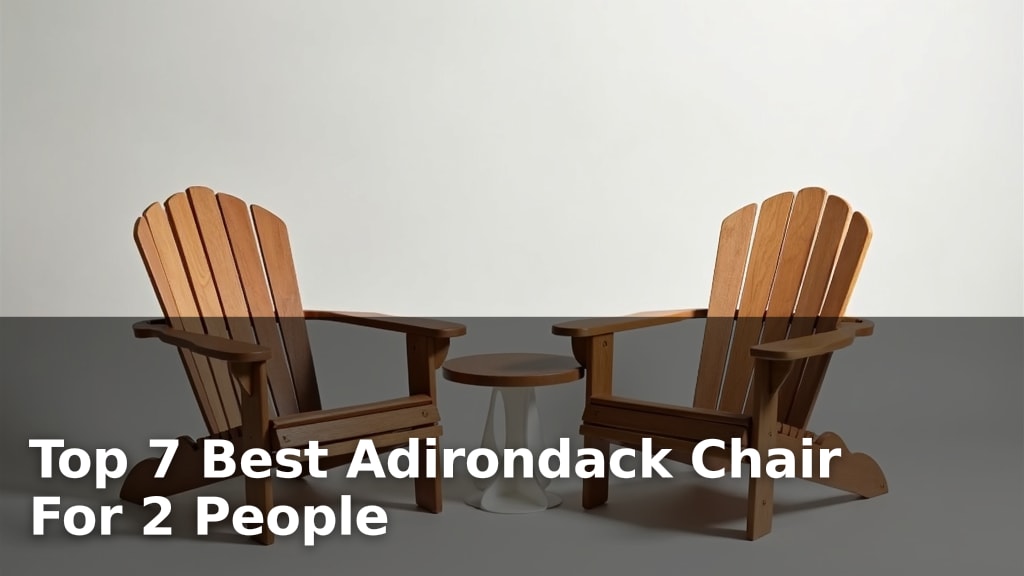
| Adirondack Chair | 3 | Relaxing by fire pit, rustic charm | Sloping seat, wide arms (add cushion for more comfort) |
| Dining Chair (Sling) | 3 | Outdoor meals, casual conversations | Breathable fabric, ergonomic curve |
| Swivel Glider Chair | 4 | Gentle movement, conversation nooks | Smooth motion, often cushioned |
Deep Seating Sectionals and Sofas
If your goal is living room comfort outdoors, a deep seating sectional or sofa is often the answer. These pieces are built for sprawling out, much like your indoor couch.
They typically come with generous, thick cushions that cradle your body, making them ideal for long evenings or lazy afternoons.
Recliners and Loungers
For personal, individualized comfort, a patio recliner or chaise lounge can’t be beat. Imagine kicking your feet up and leaning back with a good book.
Many models offer multiple reclining positions, allowing you to fine-tune your comfort from upright to fully laid back. They are perfect for solo relaxation.
Dining Chairs with a Cozy Twist
Even dining chairs can be comfortable! Look for models with armrests, slightly flexible backs, or even thin cushions to add a touch of softness.
A well-designed dining chair means you can linger longer over meals with family and friends without feeling stiff.
Your Comfort Checklist Before Buying
Ready to find your perfect outdoor oasis? Use this simple checklist to guide your decision-making process.
- Are the cushions at least 4-5 inches thick and feel firm yet soft?
- Does the furniture support your lower back when you sit naturally?
- Are the armrests at a comfortable height for your arms to rest?
- Do the materials feel good against your skin and promise durability?
- Does the furniture type match your primary relaxation goals (lounging, dining, napping)?
- Can you easily move or adjust the pieces if needed?
Conclusion
Finding the most comfortable patio furniture is a personal quest, but it always boils down to a few key elements. Prioritize deep, supportive cushions, ergonomic designs that cater to your body, and materials that promise both pleasant touch and outdoor resilience.
Whether you dream of sprawling on a sectional or reclining in a chaise, the right choice will transform your outdoor space into a true haven of relaxation. Take your time, test options if you can, and choose what genuinely makes you feel at ease.
How do I protect my comfortable patio cushions from weather?
To protect your cushions, consider using weather-resistant covers when not in use or during bad weather. Bringing them indoors for extended periods or storing them in a deck box also greatly extends their lifespan and comfort.
Is metal patio furniture comfortable without cushions?
Generally, metal patio furniture is not comfortable without cushions. Metal can be hard and cold, and a lack of padding will quickly lead to discomfort. Cushions are almost always essential for metal frames to be truly comfortable.
What is the best material for outdoor furniture cushions?
The best material for outdoor furniture cushions is often a high-quality, high-density foam for the core, wrapped in durable, weather-resistant fabric like Sunbrella or Olefin. These fabrics resist fading, mold, and mildew, keeping your cushions looking and feeling great.
Can I make my existing patio furniture more comfortable?
Absolutely! You can upgrade thin cushions to thicker, higher-density ones. Adding decorative throw pillows for extra lumbar support, or even an outdoor rug underfoot, can significantly enhance the comfort and coziness of your existing setup.
How often should I replace my patio furniture cushions?
The lifespan of patio cushions varies based on quality and exposure, but many experts suggest replacing them every 3-5 years if they are frequently used outdoors. Look for signs of flattening, mildew, or extreme fading as indicators it’s time for a refresh.