What to Do with Fire Pit Ashes
Let fire pit ashes cool completely before moving them, then store them in a covered metal container away from buildings and combustible materials. You may reuse clean wood ash in limited garden situations.
On this page (8 sections)
- How do you cool fire pit ashes safely?
- What is the safest way to store ashes before disposal?
- Can fire pit ashes go in the trash?
- What is fire pit ash good for in a garden?
- Can you add fire pit ash to compost?
- How can you reduce ash during the next fire?
- What should you never do with fire pit ashes?
- What should you do with ash from a fire pit?
What to do with fire pit ashes starts with cooling them completely, storing them in a covered metal container, and choosing disposal or reuse based on what was burned. Clean wood ash may suit a garden or compost pile in small amounts, while ash from treated wood, painted wood, or trash should be discarded according to local rules.
Never assume gray ash is safe just because the fire looks finished. Hot coals can hide below the surface and start a fire after the ashes are moved.
How do you cool fire pit ashes safely?
Let the fire burn down naturally, then wait until every coal and ash pocket is cold. Stir the remains carefully with a metal poker or shovel so warm pieces are not buried under cool ash.
Don't move ash while it is smoking, glowing, steaming, or giving off heat. A large fire may need more than a day to cool fully, especially when logs were packed closely together.
Avoid pouring water into a metal fire pit unless the manufacturer allows it. Water can create steam, spread ash, and cause some hot surfaces to crack or warp.
The type of fire pit affects cleanup. A wood-burning model with a removable ash pan may make it easier to lift out cooled ash, while a larger bowl may require a metal shovel.
The [TIKI Patio 25-Inch Smokeless Outdoor Wood Burning] product has a removable ash pan for cleanup after the fire is completely cool. Its 25-inch round design uses natural cut firewood or TIKI Wood Packs, so keep the ash separate from household waste and inspect the pan before moving it.
What is the safest way to store ashes before disposal?
Place cold ashes in a sturdy metal container with a tight-fitting lid. Keep the container outdoors on a noncombustible surface, away from decks, siding, sheds, dry grass, paper, and firewood.
Don't use a cardboard box, paper bag, plastic bucket, or open pile. Ash can retain heat in hidden coals, and those materials can burn or melt.
Add ash to the container slowly to avoid raising a dust cloud. Keep the lid closed, and don't mix ashes with gasoline, lighter fluid, leaves, or other combustible materials.
The container should remain separate from your stored logs. A raised rack can help keep firewood dry, but it doesn't make warm ash safe to place nearby.
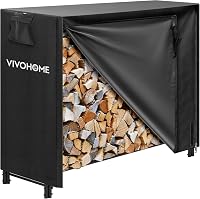
The VIVOHOME 4 ft Heavy Duty Firewood Rack has a steel rack and a 600D Oxford fabric cover with PU and PVC coating. It is designed for storing firewood, not ash, so keep its 1/4 cord of logs well away from the ash container.
Can fire pit ashes go in the trash?
Cooled wood ash can usually go in household trash when local rules allow it. Seal it in the covered metal container first, and follow your waste service's instructions for ash and charcoal.
Check local guidance before putting the container contents in a curbside bin. Some areas have special rules for fireplace ash, campfire ash, or large amounts of residue.
Never throw warm ash into a trash can. Don't place loose ash in a bag, even if it feels cold on top.
Ash from clean, untreated firewood is different from ash made by burning painted boards, pressure-treated lumber, plywood, plastics, packaging, or household waste. Those materials can leave unwanted chemicals behind, so don't use that ash in soil or compost.
What is fire pit ash good for in a garden?
Clean wood ash can be useful in some gardens, but only in small amounts and only when the soil needs less acidity. Ash is alkaline, so it can raise soil pH and change nutrient availability.
Test the soil before adding ash. If the soil is already neutral or alkaline, adding ash may make growing conditions worse.
Use only ash from plain, untreated firewood. Remove charcoal chunks and unburned debris, then spread a thin amount over soil rather than creating a thick layer.
Avoid using fire pit ash around acid-loving plants such as blueberries, azaleas, rhododendrons, and some evergreen shrubs. Don't apply it near seedlings, directly against plant stems, or over wet foliage.
Fire pit ash can also add salts. Repeated heavy use may harm soil structure or plants, so garden reuse should be limited and based on a soil test.
If you want to choose a safer fire pit setup for your patio, compare what is the best material for a fire pit before your next purchase.
Are fire pit ashes good for my garden?
Fire pit ashes are good for a garden only when they come from clean wood and your soil benefits from a small amount of alkaline material. They are not a general fertilizer, and more ash is not better.
Don't use ash from charcoal briquettes, colored fire starters, treated lumber, painted wood, or trash. Keep ash away from plants that prefer acidic soil, and stop using it if plants show stress or the soil pH rises too far.
Can you add fire pit ash to compost?
A small amount of cool, clean wood ash can go into compost, but too much may make the pile too alkaline. Sprinkle it thinly and mix it through the pile instead of adding a thick layer.
Compost needs a balance of materials and moisture. Ash does not replace leaves, plant scraps, or other carbon-rich and nitrogen-rich ingredients.
It also works best as a small corrective addition rather than a main ingredient. A dusting across a wide layer, then turning or mixing it in, spreads the alkaline effect and helps the pile stay within a range that supports decomposition.
Watch for signs that you have added too much. A strong ammonia smell, a slimy texture, or a pile that stays wet and compact can point to other balance problems, but a white, dusty layer of ash on top is a clear sign to pause and mix what is there.
Keep ash away from fresh seedlings and young plants in the pile. The fine particles can coat leaves and stems, and concentrated pockets can make the mix harsh for tender growth.
Skip compost reuse when the fire included treated wood, painted materials, plastic, or household waste. When the ash source is uncertain, disposal is the safer choice.
Charcoal briquettes and knotty or resinous wood also deserve caution. They can leave unburned bits and additives that do not belong in a pile meant for food garden beds.
Store the ash separately until you are ready to add it. A covered metal container keeps wind from spreading the dust and keeps the ash dry enough to sprinkle evenly when the pile is turned.
If you use ash regularly, keep a small, steady amount in mind rather than saving it for one large addition. That rhythm fits the way compost is built, layer by layer, and makes it easier to stop before the pile becomes too alkaline.
For most home piles, the practical test is simple. If the ash came from clean, untreated firewood, cooled fully, and is added thinly, it can fit.
If any part of that chain is unclear, throw it away.
How can you reduce ash during the next fire?
Burn dry, untreated firewood and remove ash only after it has cooled fully. Dry fuel generally leaves less damp residue and makes the fire easier to manage.
Don't burn trash, glossy paper, coated wood, or construction scraps. They can create unwanted smoke and leave residue that should not go into a garden.
A fire pit with airflow designed to reduce ash may simplify cleanup, but it still needs safe handling. The TIKI model uses internal airflow to reduce smoke and ash, while its removable ash pan collects residue after cooling.
For a larger gathering area, the Sunnydaze Crossweave 36" Large Outdoor Fire Pit has a 36-inch outer ring, a 31-inch fire bowl, and a built-in log grate. It includes a spark screen, fire poker, and cover, but its bowl has no drainage holes, so remove rainwater and keep the unit covered between fires.
Review the best wood burning fire pit if you are comparing fuel and cleanup needs. You can also see the wider guide to patio heaters for other ways to add warmth outdoors.
What should you never do with fire pit ashes?
Never spread warm ash, pour it into a plastic bin, or use unknown ash in a garden. These shortcuts can cause fires, damage plants, or expose soil to unwanted residue.
Don't leave ash in the fire pit beside dry grass or patio furniture. Don't blow ash into the air, because fine particles can irritate your eyes and lungs.
Keep children and pets away from the storage container. If ash touches skin or eyes, rinse with clean water and follow appropriate first-aid guidance.
A covered fire pit also protects the metal from rain and helps keep the area ready for the next fire. If the finish needs attention, read can you paint a fire pit before applying any coating.
For a new purchase, compare the best fire pit metal and learn how to protect your patio from a fire pit.
What should you do with ash from a fire pit?
Cool clean wood ash completely, store it in a covered metal container, and choose limited garden reuse or local trash disposal based on the ash source and your soil. When the fire included treated wood, painted materials, charcoal briquettes, or trash, skip garden use.
The simple rule for what to do with fire pit ashes is to protect against hidden heat first. After that, reuse only when the material is clean and the garden needs it.
Otherwise, keep the ash contained and follow local waste instructions.
Frequently asked questions
How long should fire pit ashes cool before disposal?
Wait until the ashes and coals are completely cold, with no glowing pieces, heat, smoke, or warm spots. This may take more than a day after a large fire.
Stir the ash carefully with a metal tool, then check it again before moving it into a metal container.
Are fire pit ashes good for my garden?
Clean wood ash may help some gardens because it contains alkaline minerals, but it can raise soil pH and add salts. Use only a small amount after checking your soil needs, and never use ash from painted, stained, treated, or trash materials.
Can I put fire pit ashes in compost?
A small amount of clean wood ash can be mixed into compost, but too much can make the pile too alkaline and slow decomposition. Add only cool ash, spread it thinly, and avoid ash from charcoal briquettes, coated wood, or fires that included household waste.
Can fire pit ashes go in the trash?
Yes, cooled wood ash can usually go in household trash when sealed according to local rules. Put it in a covered metal container first, keep it away from combustible materials, and confirm your local waste guidance before placing it at the curb.