Can You Paint a Fire Pit?
Yes, you can paint a fire pit with high-heat paint made for the fire pit's metal and temperature range. Remove rust and flaking coating, clean the surface, and follow the paint maker's curing directions before using the pit.
On this page (10 sections)
- What paint should you use on a fire pit?
- Can you paint a fire pit made of steel?
- How do you prepare a fire pit for paint?
- Should you paint the inside of a fire pit?
- How many coats of fire pit paint should you apply?
- How do you cure painted fire pit surfaces?
- How should you care for a painted fire pit?
- Is painting a fire pit better than replacing it?
- Can you paint a fire pit safely?
- What are the key steps when you paint a fire pit?
Yes, you can paint a fire pit with high-heat paint made for the metal and heat level involved. The key steps are removing loose rust and old coating, cleaning the surface, applying thin coats, and following the paint maker's curing instructions.
Do not use ordinary house paint on the bowl or exterior. Heat can cause it to blister, peel, discolor, or release fumes.
If the metal is cracked, perforated, or badly thinned, painting is not a safe substitute for replacement.
What paint should you use on a fire pit?
Use a high-temperature coating designed for metal and outdoor heat. Check the container for its temperature rating, approved surfaces, application limits, and instructions for curing before you begin.
Fire pit paint is usually sold as a spray or brush-on coating. A spray can give a more even finish on decorative cutouts and curved bowls, while brush-on paint can suit small repairs where overspray would be difficult to control.
Choose a coating that matches the surface. Steel, alloy steel, cast iron, and stainless steel may need different preparation, primers, or coating instructions.
If the paint requires a primer, use one approved for the same heat range.
For broader fire pit guidance, start with our guide to Fire Pits and Heaters: The Complete Buying Guide. Material choice also matters, so compare what is the best material for a fire pit before refinishing an older bowl.
Can you paint a fire pit made of steel?
Yes, steel fire pits can often be refinished when the metal is sound. Remove rust and peeling paint first, because a new coating cannot stabilize loose layers underneath it.
Inspect the bowl, legs, rim, spark screen, and handles. Look for cracks, holes, sharp edges, severe pitting, or sections that flex when pressed.
Those problems point to structural damage, not just a finish problem.
Some steel fire pits already use a high-temperature painted finish. The Sunnydaze Crossweave 36" Large Outdoor Fire Pit has a black high-temperature painted finish over 24-gauge steel, so refinishing should preserve the bowl's condition rather than hide serious corrosion.
The Sunnydaze fire pit has a 31-inch bowl that is 11 inches deep, a 36-inch outer ring, and a 24-inch overall height with the spark screen installed. Its steel bowl has no drainage holes, so water management remains important after painting.
Keep the fire pit covered between uses and empty rainwater from the bowl. For placement advice, read How To Protect Patio From Fire Pit? before returning a refinished pit to a deck, porch, or patio.
Plan the surrounding layout with our backyard fire pit area guide.
How do you prepare a fire pit for paint?
Preparation determines whether the new coating sticks. Complete the work only after the fire pit is cold, empty, dry, and away from anything that could catch overspray.
Use this order:
- Remove the spark screen, grate, poker, cover, and any other removable parts.
- Empty all ash and loose debris from the bowl.
- Brush away loose rust, flaking paint, soot, and scale.
- Sand rough edges and remaining loose coating as the paint instructions allow.
- Clean the metal with the approved cleaner or preparation method.
- Let every surface dry fully.
- Mask openings, labels, handles, feet, and areas that should remain unpainted.
- Apply the coating in thin, even layers.
Do not paint over ash, grease, dampness, or loose rust. These contaminants can create bubbles, weak spots, and early peeling.
Work outdoors in suitable weather. Avoid strong wind, rain, heavy moisture, and nearby flames.
Wear the protective equipment required by the coating instructions, and keep the spray away from people, pets, plants, and nearby finished surfaces.
Should you paint the inside of a fire pit?
Do not paint the inside unless the coating clearly allows direct fire exposure. The inner bowl faces burning wood, ash, heat cycles, and scraping, so it has a harder job than the outside shell.
Many refinishing projects should focus on the exterior. Paint the outer bowl, legs, rim, and decorative surfaces only where the product directions allow it.
Leave cooking surfaces and areas that directly contact fuel uncoated unless the coating is specifically approved for that use.
Never use paint to cover a hole, crack, or dangerously thin section. Fire can worsen hidden damage, and a smooth finish can make a weak bowl look sound from a distance.
If the fire pit is iron, compare its condition with the features discussed in our guide to the best iron outdoor fire pit. For metal choices, see best fire pit metal before choosing a replacement.
How many coats of fire pit paint should you apply?
Apply the number of thin coats stated on the container. Thin layers usually give the coating a better chance to dry and cure evenly than one heavy layer.
Hold a spray can at the distance listed in its directions and keep it moving. For brush-on paint, spread the coating evenly without leaving thick pools in corners, seams, or decorative openings.
Allow the stated drying time between coats. Do not touch the surface repeatedly to check it, because a coating that feels dry may still be soft underneath.
Masking and ventilation matter as much as the paint itself. Overspray can settle on concrete, siding, furniture, and plants, while poor airflow can concentrate fumes.
How do you cure painted fire pit surfaces?
Cure the paint exactly as directed before lighting a fire. Some high-heat finishes need a gradual first heating cycle, while others require a specified air-drying period.
Keep the fire pit unused during the full cure time. When the instructions call for heat, use the smallest controlled fire recommended and stay nearby.
Do not skip a staged heating process to save time.
A first fire may produce an odor or light smoke as the coating cures. Stop if the smoke is heavy, the finish bubbles, or the coating softens.
Let the pit cool completely and review the paint instructions before trying again.
The TIKI Patio 25-Inch Smokeless Outdoor Wood Burning fire pit uses 16-gauge stainless steel with a black powder-coated finish. Its removable ash pan, stand, and weather-resistant cover support general outdoor care, but any refinishing product still needs to be approved for stainless steel and its heat exposure.
The TIKI fire pit measures 24.75 inches wide by 24.75 inches deep by 18.75 inches high. It can burn natural cut firewood or TIKI Wood Packs, and its removable ash pan makes cleanup easier after the fire is completely cool.
If you prefer a wood-burning design, compare the best wood burning fire pit options before spending time on a damaged finish.
How should you care for a painted fire pit?
Keep the painted surface dry, covered, and free from standing water. Moisture is especially hard on steel finishes when it reaches scratches or exposed edges.
Remove ash only after it is fully cold. Wipe away loose dirt with a method approved by the paint manufacturer, and avoid scraping the finish with sharp tools.
Use a cover that fits without trapping wet debris against the bowl. Store removable parts dry, and check the coating at the start and end of the fire season.
Touch up only after cleaning and drying the damaged area. If rust has spread under the surrounding finish, remove the loose coating around it before applying more paint.
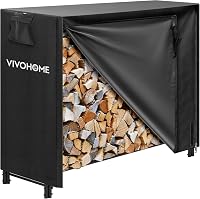
A firewood rack can also help keep fuel off damp ground. The VIVOHOME 4 ft Heavy Duty Firewood Rack has a steel rack, a 600D Oxford fabric cover with PU coating, downward air vents, and capacity for 1/4 cord of firewood.
The rack measures 4 ft by 4 ft by 13.8 in, while the cover measures 4 ft by 3.5 ft by 24 in. Keep the rack positioned safely away from sparks and follow local fire-safety rules for storing wood.
Is painting a fire pit better than replacing it?
Paint a fire pit when the metal is structurally sound and the problem is limited to surface rust or peeling finish. Replace it when the bowl has holes, deep cracks, severe thinning, or unstable supports.
A refinishing project can improve appearance and slow further surface corrosion, but it cannot restore lost metal. Check the legs, welds, rim, grate supports, and bottom of the bowl before deciding.
Also consider the fire pit's fuel and design. A 36-inch wood-burning bowl and a 25-inch smokeless fire pit have different shapes, finishes, airflow systems, and care needs.
Painting should not block vents, drainage paths, ash-pan access, or moving parts.
Can you paint a fire pit safely?
Yes, you can paint a fire pit safely when you use the right high-heat coating, prepare the metal fully, and cure it before burning fuel. Keep paint away from direct fire areas unless the instructions approve that use.
Choose refinishing for sound metal with a worn surface. Choose replacement for structural damage, and compare Best Fire Pit Table if you want a different format for your outdoor space.
For the final decision, pick fire pit paint when preparation can remove the problem without exposing weak metal. Pick a new fire pit when corrosion has changed the bowl, supports, or safe operation.
What are the key steps when you paint a fire pit?
Painting a fire pit means inspect, clean, prepare, coat, dry, cure, and inspect again. Use a coating rated for the material and heat, and follow the container's directions for every stage.
Do not cover cracks or holes with paint. Keep the finished pit dry and covered, remove ash only when cold, and check the coating regularly for peeling or rust.
Frequently asked questions
What kind of paint can you use on a fire pit?
Use paint labeled for high heat and rated for the temperature your fire pit reaches. Choose a coating made for the metal surface, such as steel or cast iron, and follow its instructions for cleaning, application, drying, ventilation, and curing.
Ordinary outdoor paint can blister, peel, or release unpleasant fumes when heated.
Can you paint the inside of a fire pit?
Usually, you should not paint the inside unless the coating specifically allows direct fire or high-temperature contact. The inner bowl faces the strongest heat, ash, and burning fuel.
Focus on the outside surfaces with a suitable high-heat coating, and replace badly damaged metal instead of covering holes or dangerously thin areas.
How do you prepare a fire pit for painting?
Let the fire pit cool completely, remove ash and accessories, and brush away loose rust, soot, and peeling coating. Clean the metal as the paint directions require, let it dry fully, and mask areas that should not be painted.
Work outdoors with good airflow and protect nearby surfaces from overspray.
How long should fire pit paint cure?
Follow the exact cure time and first-use steps on the paint container. Some high-heat coatings need air drying followed by gradual heating so the finish hardens.
Keep the fire pit unused during that period.
A coating that feels dry can still need more time before it can safely handle fire.