What Is the Best Material for a Fire Pit?
Steel is the best all-around fire pit material for many buyers because it balances heat, weight, cost and design. Choose stainless steel for better rust resistance, or cast iron for heat retention and a heavier, traditional feel.
On this page (8 sections)
- What is the best material for a fire pit?
- How do steel, stainless steel and cast iron compare?
- Is steel the best fire pit material for most patios?
- Is stainless steel the best material for a fire pit in wet weather?
- Is cast iron the best material for heat retention?
- What other fire pit features matter more than material?
- How should you care for each fire pit material?
- What is the best material for a fire pit for your needs?
Steel is the best all-around fire pit material for most buyers. It offers a practical balance of heat, weight and design, while stainless steel gives stronger rust resistance and cast iron gives heavier heat retention.
That balance is why steel appears in so many backyard pits. It can be shaped into a simple bowl, a table style unit or a design with a spark screen and decorative cutouts without becoming hard to move.
The right choice depends on weather, firewood habits, moving needs and how much care you want to give the bowl. A cover and dry storage can matter as much as the metal itself.
Rain, ash and humidity affect every material over time. The pit that suits you is often the one you can keep clean, dry and covered between fires.
Stainless steel deserves a closer look where damp air, frequent rain or morning dew are normal. Its better rust resistance can justify a higher cost in those conditions.
Cast iron suits a fixed spot where a solid feel and heat retention matter, but moving it for cleaning or storage takes more effort.
Think about how you will use the pit through the year. If you move it for gatherings or store it in winter, a lighter steel bowl may fit better.
If it will stay in one place on a stable, fire safe base, weight may matter less. Size also matters, as a larger bowl for six to eight people needs a level frame and base under logs and heat.
A smaller pit for four to six people can be easier to place and cover. Start with climate and placement, protect the finish, and follow the maker care advice.
What is the best material for a fire pit?
The best material for a fire pit is steel for balanced everyday use, stainless steel for damp conditions, or cast iron for heat retention. No material removes the need for safe placement, cooling time and regular maintenance.
Steel fire pits are common because they can be shaped into bowls, tables and decorative screens without becoming difficult to move. For a table-style option, compare outdoor fire pit coffee tables.
Their main concern is rust if water remains on the metal or the finish wears away.
Stainless steel resists rust better than ordinary steel, but it still needs cleaning and protection from ash and standing water. Cast iron holds heat well and feels substantial, but its weight makes relocation less convenient.
Your fuel also matters. Wood fires expose the bowl to high heat, ash and moisture from rain, so the best material is the one that matches both your climate and your care routine.
For broader buying advice, see our Fire Pits and Heaters: The Complete Buying Guide.
How do steel, stainless steel and cast iron compare?
Steel is the easiest starting point for most patios, stainless steel is useful where rust resistance matters, and cast iron suits a fixed location where weight is not a problem.
| Material | Main advantage | Main trade-off | Best fit |
|---|---|---|---|
| Steel | Balanced weight, heat and design options | Needs protection from rust | General backyard use |
| Stainless steel | Better rust resistance | May cost more than basic steel | Damp outdoor settings |
| Cast iron | Heavy feel and strong heat retention | Harder to move and can rust | Permanent, traditional setups |
Material thickness and finish change how a fire pit performs in daily use. A steel bowl with a high-temperature finish may suit you better than a thicker but poorly protected bowl that sits in rain.
Thickness affects how the bowl handles heat, flex and knocks during stacking or moving. A thin bowl can heat faster and may dent more easily, while a thicker wall can feel sturdier and hold a steadier fire.
Finish matters just as much because it is the first line of defence against moisture and soot.
Drainage also affects longevity in a way shoppers often miss. A bowl that holds rainwater stays wet longer, which raises the risk of rust regardless of whether the exterior looks durable.
That wet metal then sits under ash, so the damage can continue even after the rain stops.
That is why a cover, a dry storage spot and quick cleanup matter so much. Emptying water, removing ash once cool and wiping dampness away can protect ordinary steel and cast iron, and it still helps stainless steel keep its finish.
Compare the whole setup, not the material name alone. Look at the base stability, the grate and screen, the included cover and whether the bowl can be lifted safely when empty.
A well protected steel pit in a dry place can outlast a neglected pit in a wetter material.
Ask where the pit will live between fires. Under a covered patio, it faces less rain but still sees humidity and ash.
In an open yard, it needs more frequent checks, faster emptying and more consistent cover use.
Shape and airflow also shape care needs. Deep bowls hold more ash and water, wide bowls catch more rain and decorative cutouts can trap grime.
Choose a design you can clean without forcing the finish, and keep the area around it clear of leaves and debris.
Is steel the best fire pit material for most patios?
Steel is the best fire pit material for buyers who want a manageable balance of strength, weight and style. It works well for portable bowls and decorative designs, but you should protect it from standing water and use a fire-safe base.
The Sunnydaze Crossweave 36" Large Outdoor Fire Pit uses 24-gauge steel with black high-temperature paint. Its outer ring measures 36 inches, the bowl measures 31 inches across and 11 inches deep, and the unit weighs 23.8 pounds.
This wood-burning fire pit includes a spark screen, fire poker, log grate and weather-resistant cover. See how to dispose of fire pit ashes for safe cleanup.
It has no drainage holes, so empty rainwater and cover it after use.
The maker recommends stone, brick, gravel or a fire-safe pad beneath the pit. That placement helps shield decks, patios and porches from heat, but it does not make those surfaces fireproof.
Choose this type of steel fire pit if you want a larger gathering bowl that one person can carry by the outer ring. Skip it if you want a smokeless design or need a bowl that can remain exposed to frequent rain.
You can compare more options in our guide to the best fire pit metal.
Is stainless steel the best material for a fire pit in wet weather?
Stainless steel is a strong choice for damp weather because it offers better rust resistance than ordinary steel. It still needs a cover, dry ash removal and careful placement because stainless steel is not immune to staining or moisture damage.
The TIKI Patio 25-Inch Smokeless Outdoor Wood Burning fire pit is made from 16-gauge stainless steel with a black powder-coated finish. It measures 24.75 inches wide, 24.75 inches deep and 18.75 inches high, and it weighs 45 pounds.
Its removable ash pan helps with cleanup after the fire has completely cooled. The included stand supports the bowl, and the weather-resistant cover protects it between uses.
That pan matters because ash left in a bowl can hold moisture against the metal. Removing it once cool keeps the inside cleaner and means less hard scraping of the black powder-coated finish.
The stand gives a stable base for patios, decks, backyards, campsites and cabins. A level stand keeps the bowl steady while you add logs.
Always place it on a surface suitable for high heat. Keep the required distance from furniture, walls and plants.
This fire pit burns natural cut firewood or TIKI Wood Packs. Seasoned logs suit a longer burn, while a ready pack suits a short evening.
Use only fuel the maker allows and never add anything flammable to speed a fire. It is designed for gatherings of 4 to 6 people with a 4-foot heat radius.
That size works as a centrepiece without needing a huge fire to feel warm. Sit close enough to enjoy the heat, but keep chairs and blankets outside the hot zone.
Choose stainless steel when rust resistance and a cleaner modern look matter more than the lightest setup. At 45 pounds, it is less convenient to move often than a lighter steel bowl.
Plan where it will sit before you buy, especially if you would carry it across the yard each time. Between fires, use the cover and store it in a dry, covered location when practical.
Compatible accessories include a screen and poker, heat deflector, tabletop and griddle, sold separately. Check fit and outdoor use rules before adding them.
Is cast iron the best material for heat retention?
Cast iron is best for buyers who value a heavy, solid fire pit that holds heat well. Its weight can improve stability, but it makes moving, storing and rearranging more difficult.
That solid feel appeals when you want a pit that stays put during a fire. A heavy bowl is less likely to shift when you add logs, and it can hold warmth after the flames drop.
For a permanent corner of the yard, that steadiness can feel reassuring. The trade off appears when you need to move it.
Cleaning under the pit, shifting it for a storm, storing it for winter or repositioning it for a party all take more effort. Two people and a clear path may be needed, so check the finished weight and lift points first.
Cast iron needs moisture protection just like steel. Water, ash and outdoor exposure can still cause rust, so a cover and dry storage remain important.
Ash can hold dampness against the bowl long after a fire ends. Remove it once fully cool and wipe away dampness before covering.
Choose cast iron for a mostly permanent location with a stable, fire-safe base. Stone, brick or a purpose made pad can help protect nearby surfaces and keep the bowl level.
Keep the pit well away from decks, fences, low branches and stored items, and never leave a wood fire unattended. In a dry, sheltered spot, cast iron can be a good long-term option with regular cover use.
In a wet, open spot, you will need to empty water and inspect the finish more often. Our guide to the best iron outdoor fire pit can help you compare options.
Do not assume heavier means safer. Safe clearance, stable placement and responsible fire management matter more than weight alone.
A heavy pit still needs a level base, a spark screen where appropriate, dry fuel and full cooling time before cleaning. Clear leaves and debris from around the base and check for loose parts before each fire.
What other fire pit features matter more than material?
A good material cannot compensate for poor airflow, unsafe placement or standing water. Compare the bowl design, base, cover, drainage and cleanup method along with the metal.
Look for a stable base that keeps the fire pit level. Use it only on a surface suitable for high heat, and keep the required distance from buildings, furniture, plants and other combustible items.
A spark screen can help contain flying embers, but it does not remove fire risk. Never leave a wood fire unattended, and wait until the fire and ash are fully cool before cleaning.
Before using a tabletop model, check for tabletop fire pit recalls.
For a table-style setup, see the Best Fire Pit Table guide. If you already have a patio surface in mind, read How To Protect Patio From Fire Pit? before choosing a location.
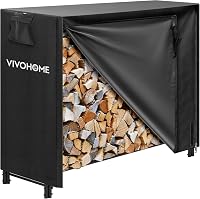
Wood storage also affects your fire experience. The VIVOHOME 4 ft Heavy Duty Firewood Rack uses 1.2mm thickened steel tubes with a double powder-coated finish and includes a 600D Oxford fabric cover with PU coating.
The rack measures 4 ft by 4 ft by 13.8 in, while the cover measures 4 ft by 3.5 ft by 24 in. Downward air vents support dry ventilation, and the cover helps protect logs from dampness and bugs.
Choose it if your main problem is wet or disorganized firewood. Dry, raised logs can make fire starting easier, but this rack does not replace safe fire pit operation.
How should you care for each fire pit material?
Keep every fire pit dry, covered and free of ash after it cools. Care matters most for ordinary steel and cast iron, but stainless steel also benefits from protection.
A good routine does not take long, but it needs to happen after each use. Letting ash sit through rain can shorten the life of a bowl quickly.
Covering a wet pit can trap moisture, so dry surfaces first when you can. Follow this routine:
- Let the fire and ash cool completely.
- Remove ash so it does not hold moisture against the bowl.
- Empty rainwater from any bowl without drainage holes.
- Wipe away dampness before covering the fire pit.
- Use the included cover when the pit is not in use.
- Store the fire pit in a dry, covered location when practical.
- Inspect the finish, legs, screen and grate before the next fire.
Steel and cast iron need the most attention because moisture can start rust quickly once the finish is worn. Stainless steel resists rust better, but ash, standing water and grit can still stain it and dull the finish.
Before the next fire, check legs and base for looseness and look for cracks or serious corrosion. A wobbly pit can tip or burn unevenly, and a damaged screen may let embers escape.
If a part feels unsafe, do not light the pit until it is fixed or replaced. Clean with tools that will not gouge the metal and follow maker advice for any coating or paint.
Never move a hot fire pit, and never hose down hot metal or ash. Use dry, allowed fuel, keep the area clear of combustible items and follow required clearance.
Store dry firewood off the ground and covered so it lights easily. For seasonal storage, dry the pit fully, cover it and move it under shelter if practical.
What is the best material for a fire pit for your needs?
Pick steel for the best balance, stainless steel for wetter conditions, and cast iron for a heavy permanent setup. Then choose the bowl size, cover, drainage and base that fit your patio and care routine.
Those three choices cover most yards, but details decide how well the pit works. A large bowl for a crowd needs a strong, level base and a cover you will actually use.
A smaller pit for a few chairs can be easier to place, clean and store, even in a heavier material. There is no single best answer for every yard.
A covered steel bowl may outlast an uncovered stainless steel pit, while cast iron may suit where stability and heat retention matter most. Climate, cover habits and cleaning effort often matter more than the material label.
Start with where the pit will live. In the open, plan for rainwater, frequent ash removal and a weather resistant cover.
Under a covered patio, you still need airflow, clearance from the roof and a surface that can handle heat. Then match the pit to how you move and store it.
A lighter steel bowl suits buyers who carry it to a campsite or store it each season. A heavier option suits a fixed spot where you rarely lift it.
Check dimensions and weight before buying so the pit fits your space and strength. Finally, judge the full package.
Look at thickness, finish, spark screen, grate, ash cleanup and cover quality along with material. Keep the pit dry, covered and free of ash after it cools, and inspect it before each fire.
With that match in place, you can enjoy a warm, steady fire without giving the bowl more care than you planned.
Frequently asked questions
What is the best material for a fire pit?
Steel is the best all-around fire pit material when you want a balance of heat, weight and design options. Stainless steel is a better choice for rust resistance, while cast iron suits buyers who want a heavy fire pit with strong heat retention.
Covers and dry storage help every material last longer.
Is stainless steel better than steel for a fire pit?
Stainless steel usually offers better rust resistance than ordinary steel, which helps in damp outdoor conditions. It can cost more, and the finish still needs care after rain and ash exposure.
Compare the fire pit's thickness, drainage, cover and placement instead of judging material alone.
Does cast iron make a good fire pit?
Cast iron can make a good fire pit when heat retention and a solid traditional design matter most. Its weight makes moving and setup harder, and moisture can still lead to rust.
Keep cast iron dry, use a suitable cover and follow the maker's care instructions.
How do I keep a steel fire pit from rusting?
Keep a steel fire pit covered between fires, empty rainwater when needed and store it in a dry, covered location when possible. Use a fire-safe base, let the bowl cool fully before cleaning and follow the finish instructions.
Read our guide on can you paint a fire pit before adding any coating.