How Do Smokeless Fire Pits Work?
Smokeless fire pits reduce smoke by feeding heated air into the fire's upper area for secondary combustion. They still burn wood and can produce smoke during startup, poor burns, or damp conditions.
On this page (10 sections)
- How does secondary combustion work in a smokeless fire pit?
- Why does airflow matter so much?
- Do smokeless fire pits work right away?
- What are the practical limits of smoke reduction?
- Are all smokeless fire pits the same?
- Can a regular fire pit reduce smoke?
- How should you use a smokeless fire pit?
- How do you clean and cover a smokeless fire pit?
- Can you use a smokeless fire pit indoors?
- What is the simplest way to get less smoke?
Smokeless fire pits work by using a second burn to ignite some of the smoke-producing gases. Air enters through lower openings, heats inside the pit, and mixes with gases near the top of the fire so they can burn instead of leaving as visible smoke.
That second burn is the main difference from a plain open bowl. In a basic fire, heated wood releases gases and tiny particles, and some of them rise away before the flame can use them.
A smokeless design tries to give those gases one more chance to burn. It guides warmed air upward, often along an inner wall or through channels, and sends it toward the flames above the main wood bed.
When the fire is hot enough, those gases can ignite and burn more completely. The result is often a lighter, thinner plume of smoke and less ash drifting toward chairs or clothing.
The word “smokeless” means reduced smoke, not smoke-free operation. You can still see smoke while lighting the fire, adding wood, burning damp fuel, or allowing the fire to smolder.
Startup is usually the smokiest part of any wood fire. The wood is still warming, the coal bed has not formed, and the upper burn may not be strong enough to catch the gases as they rise.
It helps to think of the claim as a goal rather than a guarantee. A well built pit, dry fuel, and patient fire management can keep smoke down for most of the evening, but no wood fire can make smoke disappear in every condition.
Compared with a regular fire pit, a smokeless model asks a little more attention at the start. Once the fire is established, however, that extra attention can make sitting close to the flames much more comfortable for everyone around it.
How does secondary combustion work in a smokeless fire pit?
Secondary combustion burns wood gases that escape the first fire. A normal wood fire releases gases as the wood heats, and some of those gases leave the fire before they burn.
A smokeless design uses an inner wall, openings, or channels to move heated air toward the top of the fire. When the fire is hot enough, that oxygen-rich air helps ignite more of the gases before they drift away.
This process can create a cleaner-looking flame above the main wood bed. It works best when the fire has enough heat, oxygen, and dry fuel.
Why does airflow matter so much?
Airflow controls both the first burn and the secondary burn. Air entering near the base helps the wood burn, while upper airflow helps burn gases released higher in the pit.
A blocked ash area, overloaded fire, or poor fuel arrangement can limit that airflow. Let ash cool fully before clearing it, and avoid packing logs so tightly that air cannot move between them.
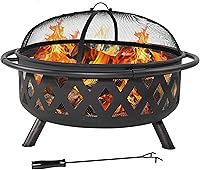
Some traditional fire pits also use openings and a log grate to improve circulation. The Sunnydaze Crossweave 36" Large Outdoor Fire Pit uses 360-degree crossweave cutouts and a built-in log grate to pull air from below.
Its 36 in outer ring and 31 in fire bowl suit gatherings of 6 to 8 people. The steel bowl has no drainage holes, so empty rainwater and use the included cover after the fire is cold.
Do smokeless fire pits work right away?
Usually, the lowest-smoke burn starts after the fire becomes hot. The kindling stage often produces visible smoke because the fuel is warming and releasing gases faster than they can burn.
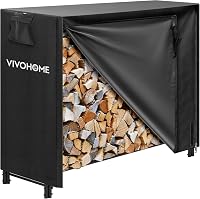
Start with dry, smaller pieces and give the fire room for air to move. Keep spare logs dry in an outdoor firewood rack.
Once the wood is burning strongly, add larger pieces gradually instead of covering the flame with a heavy load.
Wind can also change the result. A strong crosswind may carry smoke toward people even when the fire is burning efficiently.
What are the practical limits of smoke reduction?
Smokeless fire pits cannot remove every source of smoke. You may see more smoke when:
- The wood is damp or freshly cut.
- The fire is smoldering instead of burning brightly.
- Too many logs restrict airflow.
- Ash blocks lower openings.
- A large log is added before the fire has recovered.
- The fire is being extinguished and cooling.
They also do not remove heat, sparks, or combustion gases. Keep the pit outdoors and follow local rules for wood fires.
For broader fuel, placement, and safety decisions, see our guide to patio heaters.
Are all smokeless fire pits the same?
No. Smokeless fire pits vary in size, airflow design, fuel choices, cleanup, and included protection.
Compare the fire area with your group size and the way you plan to use the pit.
The TIKI Patio 25-Inch Smokeless Outdoor Wood Burning Fire Pit uses internal airflow to reduce smoke and ash. It is designed for 4 to 6 people, has a 4 ft heat radius, and includes a stand, removable ash pan, and weather-resistant cover.
It is made from 16-gauge stainless steel with a black powder-coated finish. You can burn natural cut firewood or TIKI Wood Packs, while accessories such as a screen, poker, heat deflector, tabletop, and griddle are sold separately.
A larger pit may suit more people but needs more space and fuel. If your patio is compact, compare the options in best small smokeless fire pits.
Can a regular fire pit reduce smoke?
A regular fire pit can burn with less smoke when its fuel and airflow are managed well, but it may not have a dedicated secondary-burn design. Dry wood, a strong coal bed, and an open log arrangement help any wood fire burn more cleanly.
The Hykolity 35 Inch Fire Pit includes a log rack intended to promote airflow. It also has a charcoal pan and 2 cooking grates, so it suits readers who want a fire pit that can support outdoor grilling.
The large grate measures 18.5 in, and the small grate measures 15 in. The fire pit measures 35 in across and 26 in high in the product title, while its listed dimensions are 35 in by 35 in by 22 in, so measure your space carefully before ordering.
How should you use a smokeless fire pit?
Place the pit on a fire-safe surface, use dry fuel, and keep the fire size within the pit's capacity. Stone, brick, gravel, or a fire-safe pad can help protect a patio from heat.
Keep chairs, structures, plants, and other combustible items away from the fire. Do not use a smokeless fire pit indoors, and never leave a burning fire unattended.
Check local rules before lighting a wood fire. Wind restrictions, burn bans, and required clearances vary by location.
For surface protection and placement ideas, read How To Protect Patio From Fire Pit?.
How do you clean and cover a smokeless fire pit?
Wait until the fire and ash are completely cold before cleaning. Remove ash in the way the pit allows, keep it away from combustible materials, and make sure the air openings remain clear.
A removable ash pan can make cleanup easier. The TIKI model includes one, while its cover helps protect the pit between uses.
A cover does not replace safe storage or proper drainage. If rain collects in a pit, empty it after the weather clears and dry the metal before covering it.
Our guide to best smokeless fire pit covers can help when weather protection is a priority. For a table-style setup, compare Best Fire Pit Table and best smokeless tabletop fire pit.
Can you use a smokeless fire pit indoors?
No, you should not use a smokeless fire pit indoors. Reduced smoke does not mean the fire produces no carbon monoxide, heat, sparks, or other combustion hazards.
A wood fire always needs open air and plenty of space around it. Inside a room, those same flames can warm walls, furniture, curtains, and nearby clutter far faster than most people expect.
Carbon monoxide is the quieter risk, and it is just as serious. It has no smell and no color, so a fire that looks clean and calm can still fill a closed space with gases that are hard to notice.
Reduced smoke can make that risk harder to judge. If you cannot see much smoke, it is easy to assume the air is safe, even though heat and invisible gases are still building up.
Do not use one in a home, garage, tent, enclosed porch, or other enclosed area. That includes spaces with a roof, partial walls, or poor ventilation, since smoke and heat can collect instead of dispersing.
Tents deserve special care because canvas and nylon sit close to the fire and catch quickly. A spark or a gust of wind can turn a small evening fire into a fast moving problem.
If you want the same mood on a cold night, move the pit outdoors and keep it well away from doors, windows, and overhangs. Fresh air, distance from structures, and a fire safe surface make the experience safer and more pleasant.
Read smokeless fire pit indoor for the safety reasons and the narrow situations people often misunderstand.
What is the simplest way to get less smoke?
Use dry wood, start with a small fire, keep the lower airflow openings clear, and wait for a hot coal bed before adding larger pieces. Arrange logs with space between them so air can reach the fuel.
Choose a purpose-built smokeless model if smoke reduction is a main goal. Compare smokeless wood-burning fire pits by size and airflow design.
The TIKI 25 in model is the most direct fit here, while the Sunnydaze offers a larger gathering area and the Hykolity adds cooking functions.
Smokeless fire pits work best when heat and airflow are maintained. Pick a size that fits your group, protect the surface below it, and treat “smokeless” as smoke reduction rather than a promise of no smoke.
Frequently asked questions
Do smokeless fire pits really work?
Yes, smokeless fire pits can greatly reduce visible smoke after the fire is hot and burning well. They do not remove smoke completely.
Startup, wet wood, low airflow, wind, and adding large logs can still create smoke.
How does secondary combustion reduce smoke?
Secondary combustion burns some of the gases that would otherwise leave the fire as smoke. The pit draws air through lower openings, heats it, and sends it toward the upper fire area, where those gases can ignite when the fire is hot enough.
Can you use a smokeless fire pit indoors?
No. Smokeless fire pits are for outdoor use because they still burn fuel and produce carbon monoxide, heat, and combustion gases.
Never use one inside a house, garage, tent, enclosed porch, or other space without safe outdoor ventilation.
What wood works best in a smokeless fire pit?
Use dry, properly seasoned firewood that fits the pit and leaves room for airflow. Damp or oversized wood creates more smoke and can prevent the secondary burn from working well.
Follow the fire pit's fuel instructions and local fire rules.