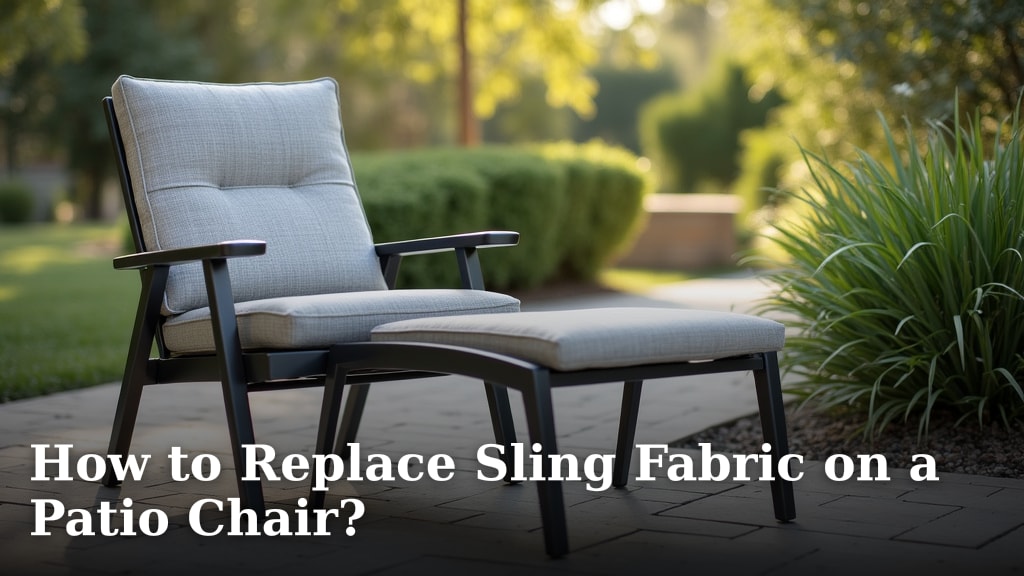
How To Restrap Patio Chairs?
To restrap patio chairs, first remove all old, broken straps. Clean the chair frame thoroughly. Measure the exact length for each new strap, accounting for a slight stretch for a snug fit.
Then, attach the new vinyl or fabric straps using clips or rivets, starting from one side, stretching them across the frame, and securing them tightly on the opposite side for a firm, comfortable seat.
Here’s a quick look at how to give your patio chairs a fresh start:
- Gather essential tools like a utility knife, measuring tape, and new strapping material.
- Carefully remove all the old, brittle straps from the chair frame.
- Clean the chair’s frame well to remove dirt and grime.
- Measure each new strap precisely for a tight, professional finish.
- Install the new straps, stretching them firmly to create a supportive seating surface.
How To Restrap Patio Chairs?
Restrapping patio chairs is a practical way to extend their life, making them look new again without buying replacements. This project usually involves removing worn-out straps, cleaning the frame, and then carefully attaching fresh, durable material.
Why Bother Restrapping Your Patio Chairs?
Ever look at your patio chairs and see sagging, cracked straps? It’s a common sight. Restrapping isn’t just about fixing a problem; it’s about revitalizing your outdoor space and making your furniture usable again.
More Than Just Looks
Think about it: broken straps mean uncomfortable seating. They also look untidy. By restrapping, you restore both comfort and aesthetics, giving your patio a much-needed facelift (Many experts say this is a cost-effective alternative to buying new chairs).
Is Restrapping a DIY Job or Pro-Only?
Can you do this yourself? Absolutely. We found that most homeowners with basic tools and a bit of patience can successfully restrap their chairs. Hiring a professional is an option, but the cost savings are significant if you tackle it yourself.
What You’ll Need: Your Restrapping Toolkit
Before you begin, gather your supplies. Having everything ready makes the process smooth and less frustrating. You wouldn’t start baking a cake without all your ingredients, would you?
- Utility Knife or Scissors: For cutting old and new straps.
- Measuring Tape: Precision is key for strap lengths.
- Screwdriver or Drill: If your chairs use screws or rivets.
- New Strapping Material: Vinyl or fabric, depending on your chair style.
- Clips or Rivets: To secure the new straps.
- Cleaning Supplies: Soap, water, and a brush for the frame.
- Heat Gun or Hair Dryer (Optional): To make vinyl straps more pliable.
Choosing the Best Strapping Material
The type of strapping you choose affects both durability and look. Most patio chairs use vinyl, but fabric options are also popular. We found that high-quality vinyl tends to last longer in direct sunlight (University of Florida IFAS Extension).
Step-by-Step Guide to Restrapping Patio Chairs
Ready to jump in? Let’s walk through each stage of the process. Remember, a careful approach leads to a professional-looking result. It’s like wrapping a gift – the extra effort shows.
Step 1: Removing the Old Straps
First things first: out with the old! Use your utility knife to cut through the old straps. Be careful not to scratch the chair frame. If straps are secured with rivets, you may need a drill to remove them. Clear away all debris, leaving the frame bare.
Step 2: Giving Your Chair a Good Clean
Now that the old straps are gone, inspect the frame. Clean it thoroughly with soap and water, scrubbing away any dirt, grime, or mildew. A clean frame not only looks better but also helps your new straps adhere properly. We found that a simple hose-down and scrub brush works wonders.
Step 3: Precise Measuring for New Straps
This step requires accuracy. Measure the distance a strap needs to cover. Many experts suggest adding about 10-15% less than the actual measured length for vinyl straps to allow for stretching and a tight fit. For fabric straps, measure exactly. Remember, a snug fit is critical for support.
Here’s a quick guide to common patio chair strap types:
| Strap Type | Description | Pros | Cons |
|---|---|---|---|
| Vinyl Strapping | Standard, flexible PVC material. | Durable, weather-resistant, many colors. | Can become brittle over time, less breathable. |
| Fabric (Sling) | Woven textile material, often polyester. | Comfortable, breathable, stylish. | May fade, can absorb moisture, harder to clean. |
| Laced Webbing | Strong, interwoven fabric strips. | Very strong, classic look. | More complex installation, can fray. |
Step 4: The Art of Attaching New Straps
Begin by securing one end of the new strap to the chair frame. If using vinyl, a heat gun can make it more pliable, easier to stretch. Pull the strap across the frame firmly, stretching it slightly, and secure the other end. Some chairs use screws, others use clips or rivets. Make sure your attachment points are secure and even.
Step 5: Securing and Tightening Your Work
As you attach each strap, aim for consistent tension. You want the straps to be taut, like a drum, but not so tight that they distort the frame. After securing all straps, give them a gentle tug. Even tension throughout the chair provides the best comfort and longevity.
Common Pitfalls When Restrapping
Even with good intentions, mistakes happen. Knowing what to watch out for can save you time and frustration. It’s like learning from someone else’s bumps and bruises!
- Not cleaning the frame properly before starting.
- Measuring straps too long, leading to a saggy seat.
- Using straps that are too short, causing stress on the frame.
- Inconsistent tension across different straps.
- Using low-quality, non-UV-resistant strapping material.
- Forgetting to secure attachment points firmly.
Caring for Your Newly Strapped Chairs
Once your chairs are restrapped, a little care goes a long way in preserving your hard work. Regular cleaning and proper storage can significantly extend the life of your new straps. We found that seasonal cleaning with mild soap and water is ideal.
Conclusion
Restrapping your patio chairs is a rewarding project that breathes new life into tired outdoor furniture. It saves money, reduces waste, and allows you to enjoy your refreshed patio for years to come. By following these steps, you can confidently transform your chairs and impress your guests with your handy work. So, grab your tools and get started; your patio will thank you!
FAQs About Patio Chair Restrapping
How long do restrapped patio chairs typically last?
With good quality vinyl or fabric and proper care, restrapped patio chairs can last anywhere from 5 to 10 years. UV exposure and frequency of use are significant factors influencing their lifespan.
Can I mix different colors of straps on one chair?
Absolutely! Mixing colors can create a unique, personalized look for your patio chairs. Many people enjoy alternating strap colors to match outdoor decor or create fun patterns.
What tools are absolutely essential for a beginner?
For beginners, a utility knife or sharp scissors, a measuring tape, and the new strapping material are essential. A screwdriver is also needed if your chair uses screws for strap attachment.
Is there a specific way to stretch vinyl straps for best results?
Yes, for vinyl straps, applying gentle heat with a heat gun or even a hairdryer makes them more pliable and easier to stretch. This helps achieve a tighter, more professional fit as they cool and contract.
How do I calculate the amount of strapping material I need for multiple chairs?
First, measure one strap length from an existing chair, or measure the frame’s distance and subtract 10-15% for stretch. Multiply this length by the total number of straps on that chair, then multiply by the number of chairs. Always buy a little extra for mistakes or future repairs.