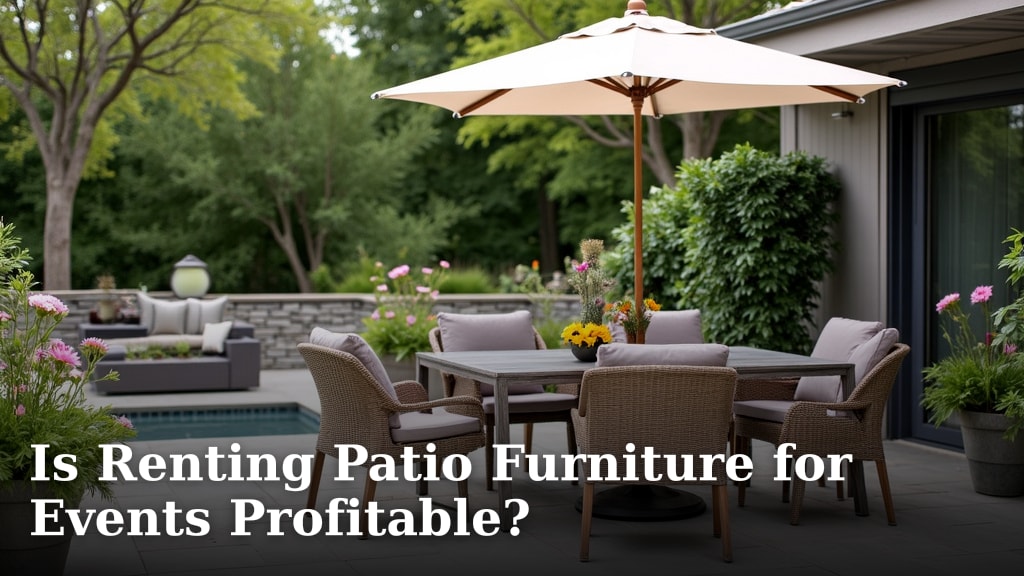
What Is Patio Furniture Made Of?
Patio furniture is primarily made from a diverse range of materials designed to withstand outdoor elements, including metals like aluminum and steel, various types of wood such as teak and cedar, and synthetic options like resin wicker and durable plastics.
These materials are chosen for their resilience, comfort, and aesthetic appeal, allowing you to create an inviting outdoor living space tailored to your style and local climate.
- You will discover the most common materials used for patio furniture.
- We will help you understand the pros and cons of wood, metal, wicker, and plastic options.
- You’ll learn about material durability and maintenance for a longer lifespan.
- Find practical advice to choose the best furniture for your outdoor space.
- This guide aims to simplify your decision-making process for lasting enjoyment.
What Is Patio Furniture Made Of?
Patio furniture is constructed from materials that can brave the elements year-round. Think of it like choosing a sturdy raincoat; you need something resilient for your outdoor oasis.
Understanding the Core Materials
When you start looking at patio furniture, you will quickly find a few main players. Each material brings something unique to your outdoor space, from rustic charm to modern sleekness.
The Power of Metals
Metal furniture offers incredible strength and can feel quite modern. We found that metals are a popular choice for their sleek lines and weather resistance.
Aluminum: Your Lightweight Hero
Aluminum is a fantastic choice if you want furniture that is easy to move around. It’s naturally rust-resistant and lightweight, making it perfect for rearranging your deck or patio often.
Many experts say that aluminum is ideal for coastal areas because it resists salt air corrosion well (research and found).
Steel: Robust and Sturdy
For a heavier, more stable option, steel is often chosen. It can be quite robust, though it needs a protective coating to prevent rust, especially in humid climates.
If you have windy conditions, the added weight of steel can be a real benefit, keeping your furniture right where you want it.
Wrought Iron: Timeless Elegance
Wrought iron brings a classic, ornate look to your patio. It’s incredibly heavy and durable, offering a touch of old-world charm that can last for decades.
While beautiful, wrought iron does require regular maintenance, like repainting, to ward off rust and keep it looking its best.
The Beauty of Woods
Wood patio furniture offers a warm, natural feel that blends beautifully with any garden setting. It’s like bringing a piece of nature right into your backyard.
Teak: The Gold Standard
Teak is often considered the king of outdoor woods. It’s naturally rich in oils that make it highly resistant to rot, insects, and harsh weather.
While an investment, teak furniture can last a lifetime, developing a beautiful silver-gray patina over time if left untreated (research suggests this natural aging).
Cedar and Redwood: Naturally Resilient
Cedar and redwood are lighter in weight and offer natural resistance to decay and insects. They both have a lovely aroma and a warm, inviting appearance.
These woods require some sealing to maintain their color and protect against the elements, helping them stay beautiful for years.
Eucalyptus and Acacia: Budget-Friendly Options
For a more affordable wood choice, eucalyptus and acacia are popular. They offer similar durability to teak but often come with a lower price tag.
You will need to maintain these woods more regularly with oils or sealants to ensure they stand up to sun and rain effectively.
Wicker Wonders: Natural vs. Synthetic
Wicker furniture brings texture and comfort, creating a cozy atmosphere. It’s a classic look that has seen many modern twists.
Natural Wicker (Rattan): Indoor Charm
Traditional wicker, often made from rattan, is best kept in covered areas or indoors. It’s beautiful but not designed for heavy rain or direct sun.
Think of natural wicker for your screened-in porch or a sunroom, where it adds warmth without exposure to the elements.
Resin Wicker: Outdoor Warrior
Most “wicker” patio furniture you see today is actually resin wicker. This synthetic material is made from PVC, nylon, or polyethylene strands woven over a metal frame.
Resin wicker is incredibly durable, UV-resistant, and weatherproof, making it a fantastic choice for any outdoor space. It cleans up easily with just soap and water.
The Versatility of Plastics
Plastic furniture has come a long way from flimsy garden chairs. Today’s options are stylish, sturdy, and surprisingly durable.
HDPE (High-Density Polyethylene): Built to Last
Many experts say that HDPE furniture is incredibly resilient. It’s often made from recycled plastics and is resistant to fading, cracking, and splintering (we found).
This material is often used for Adirondack chairs and is a “set it and forget it” option, requiring virtually no maintenance.
Fabrics and Cushions: Comfort is Key
No patio furniture is complete without comfortable cushions. The right fabric choice adds softness and a pop of color.
- Acrylic (like Sunbrella): Known for extreme fade and mildew resistance.
- Olefin: A more budget-friendly option, still great for sun and moisture.
- Polyester: Often treated for water resistance, good for occasional use.
- Foam and Fillings: Quick-dry foam is popular for outdoor cushions.
Comparing Your Outdoor Furniture Options
Let’s look at how some popular materials stack up against each other for your consideration.
| Material Type | Pros | Cons | Maintenance Level |
|---|---|---|---|
| Aluminum | Lightweight, rust-resistant, affordable | Can be flimsy in high winds | Low |
| Teak Wood | Highly durable, weather-resistant, beautiful aging | Expensive, requires occasional oiling (if desired) | Medium |
| Resin Wicker | UV-resistant, weather-resistant, easy to clean | Can sometimes look less “natural” than real wicker | Low |
| Wrought Iron | Very heavy, extremely durable, classic look | Prone to rust without proper care, very heavy | High |
| HDPE Plastic | No maintenance, eco-friendly (often recycled), very durable | Limited style options, can be heavy | Very Low |
Choosing the Best Material for Your Home
Selecting the right patio furniture is a bit like choosing a new car; it needs to fit your lifestyle, your budget, and the local conditions.
Consider Your Climate
Do you live somewhere with heavy rain, intense sun, or salty air? Your climate will play a big role in which materials will last the longest. For instance, aluminum excels in salty air.
Think About Durability and Longevity
How long do you want your furniture to last? Some materials, like teak or HDPE, offer decades of use, while others might need replacing sooner.
What’s Your Maintenance Style?
Are you someone who enjoys regular cleaning and oiling, or do you prefer to “set it and forget it”? Your maintenance preference guides your material choice.
Prioritize Comfort and Style
Don’t forget the fun part! Choose materials and designs that you find aesthetically pleasing and that make your outdoor space feel inviting and comfortable.
Your Outdoor Furniture Checklist
Use these points to guide your choice:
- Is the material weather-resistant for your specific climate?
- Does it align with your desired outdoor aesthetic?
- Is the maintenance level something you can commit to?
- Does it fit comfortably within your budget?
- Is it durable enough for your family’s usage?
Conclusion
Choosing patio furniture materials is a balanced act between durability, maintenance, style, and budget. You have a wide array of excellent options, from the timeless strength of aluminum to the natural beauty of teak and the effortless resilience of resin wicker.
By understanding what each material offers, you are well-equipped to select pieces that will provide years of enjoyment and transform your outdoor space into a true extension of your home.
FAQs About Patio Furniture Materials
Is aluminum patio furniture truly rust-proof?
While aluminum is highly resistant to rust because it doesn’t contain iron, it can still oxidize, forming a white powdery substance. This process is different from rusting and doesn’t compromise its structural integrity, making it an excellent choice for longevity (research and found).
What is the best type of wood for outdoor furniture in wet climates?
Teak wood is widely considered the best for wet climates due to its natural oils and dense grain, which make it exceptionally resistant to moisture, rot, and insects. Cedar and redwood are also good alternatives, but often require more regular sealing.
Can I leave all my patio furniture out year-round?
It depends entirely on the material and your local climate. Durable materials like HDPE plastic and high-quality aluminum can often withstand year-round exposure. However, even these benefit from covers in harsh weather, and wooden items or those with cushions should generally be stored or well-protected during off-seasons.
How do I prevent my outdoor cushions from fading?
To prevent cushions from fading, look for fabrics specifically designed for outdoor use, such as solution-dyed acrylic (like Sunbrella) or Olefin, which are highly UV-resistant. Storing cushions when not in use or using furniture covers can also significantly extend their color life.
Is recycled plastic patio furniture durable?
Yes, recycled plastic patio furniture, especially that made from HDPE, is extremely durable. Many experts say it’s resistant to moisture, insects, splintering, and fading, often lasting for decades with minimal to no maintenance. It’s a fantastic eco-friendly and long-lasting choice for your outdoor space.