
Is It Ok For Patio Furniture To Get Wet?
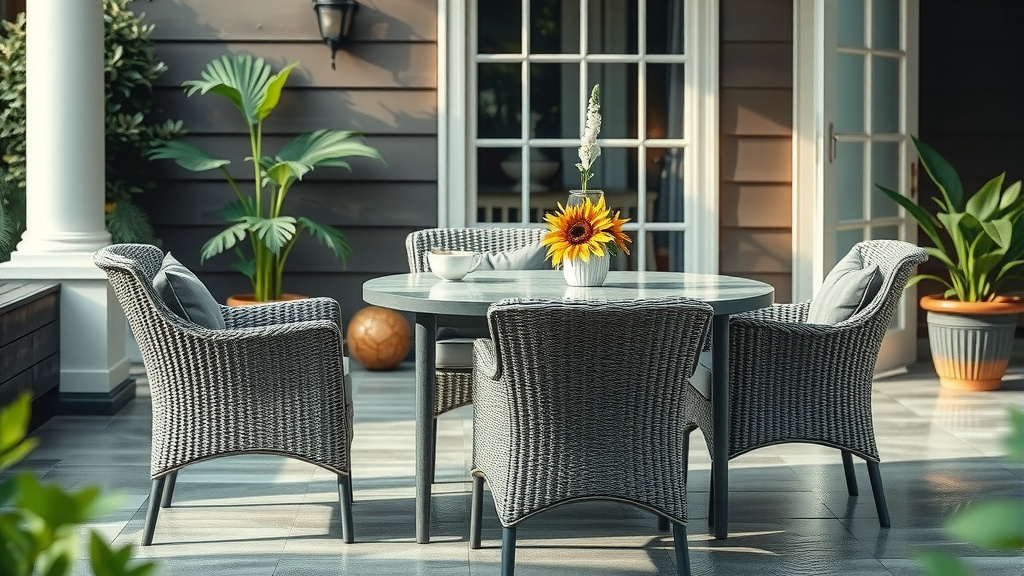
Yes, most patio furniture is designed to withstand some exposure to moisture and rain.
However, the extent of its durability when wet largely depends on the specific materials it’s made from and the duration of exposure.
- Many patio furniture materials can get wet, but prolonged exposure causes damage.
- Aluminum and plastic are very water-resistant; steel and wood need more protection.
- Always dry cushions and fabrics quickly to prevent mold and mildew growth.
- Using furniture covers or storing items indoors during bad weather extends their life.
- Regular cleaning and maintenance after rain helps keep your furniture looking great.
Is It Ok For Patio Furniture To Get Wet?
Yes, it is generally okay for patio furniture to get wet, as most pieces are built for outdoor conditions.
But how well it handles water varies greatly by material, impacting its longevity and appearance.
Think of it like this: your raincoat protects you from a drizzle, but you wouldn’t stand in a downpour all day. Your furniture needs similar consideration. We found that understanding your furniture’s material is the first step.
Understanding Your Furniture’s Material
Not all patio furniture is created equal when it comes to water. Some materials laugh at rain, while others dread it. Let’s break down what each material can handle.
Aluminum and Plastic/Resin: The Water Warriors
These materials are often the champions of water resistance. Aluminum doesn’t rust, and plastic or resin won’t rot or corrode. You often see them poolside for a good reason.
You might find them a bit dirty after a storm, but a quick rinse and wipe often brings them back to life. They are generally low-maintenance against moisture.
Wrought Iron and Steel: The Rust Risk
These metals are strong and stylish, but they have a weakness: rust. If their protective paint or powder coating gets scratched, water can reach the metal underneath.
Once rust starts, it can spread and weaken the furniture. Many experts recommend quick drying and touch-up paint for scratches (Consumer Reports).
Wood Furniture: The Rot Challenge
Wood, especially untreated types, is susceptible to rot, warping, and mildew when constantly wet. Even treated wood needs ongoing care. Think of it like a beautiful wooden deck; it needs sealing.
We found that regular sealing or staining helps create a water-repellent barrier for your wooden pieces.
Outdoor Fabrics and Cushions: Mold and Mildew Magnets
While outdoor fabrics are designed to dry quickly, they aren’t immune to problems. If cushions stay damp for too long, they become a breeding ground for mold and mildew. Has this ever happened to your patio cushions?
This not only looks bad but can also lead to unpleasant odors. Many guidelines point to quick drying as a good first step (Mayo Clinic, on mold exposure).
When Does Getting Wet Become a Problem?
A little rain is usually fine. But repeated soaking or leaving furniture perpetually damp causes real issues. This is where you might see the lifespan of your patio items dramatically shortened.
The biggest concerns are rust on metals, rot on wood, and mold or mildew on fabrics. These problems can lead to costly repairs or replacements down the line.
Practical Solutions for Wet Furniture
You don’t need to panic every time it sprinkles. There are simple steps you can take to protect your investment. A little proactive care goes a long way.
The Power of Furniture Covers
A good waterproof cover is like a superhero cape for your furniture. When you know bad weather is coming, simply cover your pieces. This creates a solid barrier against rain, snow, and even intense sun.
We found that covers with vents help prevent moisture buildup underneath, which is important for air circulation. Look for covers that fit well and secure tightly.
Strategic Storage Solutions
If you have the space, consider moving cushions or smaller furniture pieces into a shed, garage, or even a deck box during heavy rain or the off-season. This gives them complete protection from the elements.
Many homeowners find a dedicated storage spot simplifies end-of-season cleanup. It saves you from constant worry.
Drying After the Rain
Once the rain stops, take a few minutes to help your furniture dry. This is especially important for cushions and any fabric components. Think of it as post-rain first aid.
Wipe down hard surfaces, stand cushions on their sides, or even prop them up to allow air to circulate. This simple act can prevent mold and water spots.
Material Water Resistance Comparison
To help you quickly gauge your furniture, here’s a useful comparison:
| Material | Water Resistance | Key Concern |
|---|---|---|
| Aluminum | Excellent | No rust, but dirt/grime buildup. |
| Plastic/Resin | Excellent | Fading from sun, potential staining. |
| Treated Wood | Good | Requires sealing, can rot over time. |
| Wrought Iron | Fair | Prone to rust if paint chips. |
| Steel | Fair | Very susceptible to rust without protection. |
| Outdoor Fabric | Good (quick dry) | Mold, mildew, fading if left wet. |
Quick Checklist for Rainy Days
Here are some fast actions you can take when the skies open up:
Shake off excess water from cushions and stand them upright.
Prop up frames or tables to help water drain away.
Wipe down hard surfaces to prevent water spots and streaks.
If cushions have zippers, open them to promote airflow inside.
Move any smaller, sensitive decor items under cover or indoors.
Consider placing furniture covers over larger pieces for consistent protection.
Long-Term Care for Patio Furniture
Beyond immediate rain protection, regular maintenance keeps your furniture in top shape. It’s like taking care of your car; small check-ups prevent bigger problems.
Clean your furniture periodically, inspect for any damage, and reapply protective coatings to wood or metal as needed. Research often connects consistent care with significantly extended furniture life.
- Inspect furniture regularly for wear, especially after storms.
- Clean cushions and frames with appropriate cleaners to prevent buildup.
- Store furniture indoors during harsh winter months, if possible.
- Reapply sealants to wood and touch up paint on metal as advised by manufacturers.
Conclusion
It is generally fine for your patio furniture to get wet, especially during light rain. Most outdoor pieces are designed to handle common weather conditions.
However, the key to its longevity lies in understanding your specific materials and providing appropriate care. By taking simple steps like quick drying, using covers, or storing items when heavy weather hits, you can significantly extend the life and beauty of your outdoor living space. Your patio furniture works hard for you; a little attention will help it shine for years to come.
What kind of patio furniture is best for rainy climates?
For rainy climates, furniture made from aluminum, marine-grade polymer, or high-quality resin wicker is often ideal. These materials are naturally resistant to rust, rot, and mildew, making them very durable in consistently wet conditions.
Can wicker furniture get wet?
It depends on the type. Synthetic resin wicker is generally fine getting wet and dries quickly. Natural wicker, made from plant fibers, can be damaged by prolonged moisture, leading to mold, mildew, or structural weakening, and should be protected.
How do I prevent mold on wet patio cushions?
To prevent mold, ensure cushions dry completely after getting wet. Stand them on their sides, prop them up, or unzip them to improve airflow. Consider storing them in a waterproof deck box or indoors during long periods of rain.
Will patio furniture rust if it gets wet often?
Metal patio furniture like steel and wrought iron can rust if it gets wet often, especially if its protective coating is chipped or scratched. Aluminum furniture is highly resistant to rust, even with frequent water exposure.
Is it better to leave patio furniture uncovered in the sun to dry?
Yes, it’s generally better to leave wet patio furniture uncovered in the sun to dry quickly after rain. Sunlight and airflow help evaporate moisture, reducing the risk of mold and mildew. Once dry, you can cover it again for protection.
