How To Reupholster Patio Chairs?
To reupholster patio chairs, you typically remove the old fabric, use it as a pattern to cut new outdoor-grade fabric, then carefully attach the new material using a staple gun or sewing if needed, ensuring a snug, professional fit.
The process involves preparation, precise measurements, and careful fabric application to give your outdoor seating a fresh, durable new look.
Here’s a quick overview of what you’ll find in this guide:
- You will learn if reupholstering is the best option for your chairs.
- We will help you gather all the necessary tools and materials.
- You’ll get a clear, step-by-step guide for the entire process.
- We will also cover common mistakes to avoid and when to call a pro.
How To Reupholster Patio Chairs?
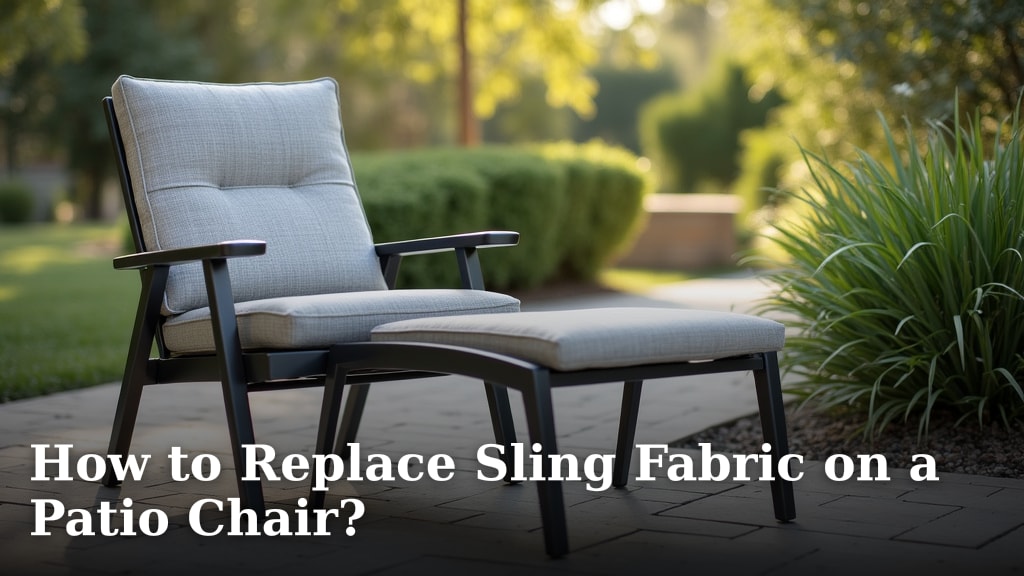
Reupholstering patio chairs means giving them a fresh, new cover. You take off the old material and put on new, durable outdoor fabric. This breathes new life into your furniture.
Why Consider Reupholstering Your Patio Chairs?
Ever look at your patio chairs and wish they looked new again? For more on this project, see our guide to sling back patio chairs. Reupholstering can save you money compared to buying brand-new furniture. It’s also a fantastic way to refresh your outdoor space without a big budget. Think of it as a DIY makeover for your patio.
Giving old chairs a new life is also a great way to be more sustainable. Instead of tossing perfectly good frames, you are simply updating the fabric. Many homeowners find this rewarding, keeping items out of landfills.
Is Reupholstering Your Patio Chairs the Right Choice?
Before diving in, take a good look at your chairs. Is the frame sturdy, or is it wobbly? Are there any broken parts? We found that reupholstering works best when the frame itself is in good shape. If the frame is damaged, fixing it first might add to your project’s complexity.
Think about the time you have. This project can take a few hours per chair, sometimes more. If you enjoy hands-on projects, it can be a relaxing weekend task. If you’re short on time, perhaps consider professional help.
Gathering Your Reupholstery Tools and Materials
Getting everything ready beforehand makes the job much smoother. You wouldn’t start a baking project without ingredients, right? The same goes for reupholstery. You will need a few key items.
Selecting the Best Outdoor Fabric
Choosing the right fabric is super important. You need material that can stand up to sun, rain, and spills. Outdoor fabrics like acrylic, vinyl, or specialized polyester blends are often recommended. We found these materials resist fading, mildew, and moisture far better than indoor fabrics.
Look for fabrics specifically labeled for outdoor or marine use. They often come with UV protection already built-in. A good fabric choice means your chairs will look great for seasons to come. Many experts say to choose a fabric with a tighter weave for durability (University of Florida IFAS Extension).
Your Essential Tools Checklist
Having the right tools helps prevent frustration. Imagine trying to remove staples with a butter knife – not fun! Here’s what you’ll want to have on hand:
- Staple gun (electric or pneumatic makes it easier)
- Heavy-duty staples
- Flathead screwdriver or staple remover tool
- Pliers
- Fabric scissors (sharp ones!)
- Measuring tape
- Fabric marker or chalk
- New outdoor fabric
- Optional: Sewing machine (if covers are stitched)
- Optional: Replacement foam or batting
Step-by-Step Guide to Reupholstering Patio Chairs
Ready to get started? This process breaks down into manageable steps. Don’t rush, and take your time. Remember, the goal is a beautiful, refreshed chair.
Carefully Removing Old Fabric
This is often the messiest part. Use your staple remover or flathead screwdriver to carefully pry up all the old staples. Then, pull the fabric away. Keep the old fabric as intact as possible; it’s your template! This step can be a bit tedious, but it’s worth taking your time.
Precise Measuring and Cutting
Lay your old fabric pieces flat on your new fabric. Use them as a pattern to cut out the new sections. Add a few extra inches around the edges for “wiggle room” – about 2-3 inches on all sides. You can always trim excess, but you can’t add fabric back. This extra material helps you get a nice, tight pull.
Attaching the New Fabric Securely
Now for the exciting part! Center your new fabric on the chair frame or cushion. Start stapling in the middle of one side, then move to the opposite side, pulling the fabric taut. Work your way around, always pulling the fabric tightly before stapling. This ensures a smooth, wrinkle-free finish.
Achieving a Smooth, Professional Finish
As you staple, continuously check for wrinkles or sags. You want the fabric to be drum-tight. When you reach corners, fold the fabric neatly, like wrapping a present. Trim any excess fabric close to the staples, but be careful not to cut too close. A clean trim gives a finished, tailored look.
Reassembling Your Refreshed Chair
Once all the fabric is stapled and trimmed, put any cushions back in place. If your chair disassembles, carefully screw it back together. Take a step back and admire your work. You’ve transformed your chair!
Common Reupholstery Mistakes to Avoid
Even seasoned DIYers can make small errors. One common mistake is not pulling the fabric tight enough. This leads to sagging. Another is cutting the fabric too small. Always give yourself extra material. Also, don’t forget to use outdoor-grade thread if you are sewing seams; indoor thread won’t last (American Home Furnishings Alliance).
When to Seek Professional Help
Sometimes, a project is just too big or complex for a DIY. If your chair frame requires welding or extensive woodworking, a professional might be better. Or, if you have very intricate patterns or many cushions, a pro can save you time and potential headaches. It’s okay to know your limits, and getting help can lead to a much better outcome.
A Quick Look at Reupholstery Costs
Understanding costs can help you decide. DIY is usually cheaper, but professionals offer convenience and expertise. Here’s a general idea:
| Aspect | DIY Reupholstery | Professional Reupholstery |
|---|---|---|
| Fabric Cost | You buy the fabric (e.g., $15-$40/yard) | Included in quote, often higher mark-up |
| Labor Cost | Your time! (Free) | Hourly rates or per-piece quotes |
| Tools | Initial purchase (staple gun, etc.) | Included in service |
| Overall Cost | Generally lower | Higher, but includes expertise |
Keeping Your Reupholstered Chairs Looking Great
To keep your chairs looking fresh, a little care goes a long way. Regularly wipe down the fabric with a damp cloth to remove dirt. For deeper cleaning, use a mild soap and water solution. Always check your fabric manufacturer’s cleaning guidelines. Store cushions indoors during harsh weather. This will help extend their lifespan considerably.
Conclusion
Reupholstering your patio chairs is a rewarding project. For more on this project, see our guide to patio furniture. It lets you refresh your outdoor space, save money, and gain a sense of accomplishment. With the right tools, materials, and a bit of patience, you can transform your tired patio furniture. Remember to choose durable outdoor fabric and take your time with each step. Your patio will thank you for it!
How long does it typically take to reupholster one patio chair?
Reupholstering one patio chair can take anywhere from 2 to 6 hours, depending on your experience level and the chair’s design complexity. For more on this project, see our guide to patio chair cushions. Simpler chairs with removable cushions are much faster than those with integrated fabric.
Can I machine wash the new outdoor fabric for my patio chairs?
Whether you can machine wash the new outdoor fabric depends entirely on the specific fabric you choose. Always check the manufacturer’s care instructions before washing. Many outdoor fabrics prefer spot cleaning or gentle hand washing to maintain their protective coatings.
Is it necessary to use a special sewing machine for outdoor fabric?
Using a heavy-duty sewing machine is often recommended for outdoor fabric due to its thickness. A standard household machine might struggle with multiple layers or dense materials. A walking foot attachment can also help feed the fabric evenly.
What should I do if my patio chair cushions are moldy or mildewed?
If your old patio chair cushions are moldy or mildewed, it’s best to replace the foam or batting inside. Simply covering them with new fabric won’t address the mold issue, which can spread and cause health concerns. Ensure you clean the chair frame thoroughly before reupholstering.
What if my old chair fabric is too damaged to use as a pattern?
If the old fabric is too damaged to use as a pattern, you can try to carefully measure the chair frame or existing cushion covers. You might need to make a paper pattern by tracing the chair’s contours. Adding a generous seam allowance will provide flexibility during the new fabric attachment.