How To Fix Patio Chair?
You can often fix a patio chair by identifying the specific issue, like loose bolts, torn fabric, or rust, and then applying targeted repairs such as tightening hardware, replacing slings, or sanding and repainting. Most common problems are solvable with basic tools and a little patience.
To fix a patio chair effectively, start by thoroughly cleaning it and inspecting all components, then gather the right tools and materials for the repair task at hand, whether it’s tightening, patching, or sanding.
- Identify the problem first: Check for loose bolts, tears, or rust.
- Gather your tools: You’ll likely need screwdrivers, wrenches, sandpaper, and new fasteners.
- Clean thoroughly: A clean chair reveals issues more easily and helps repairs last.
- Apply specific fixes: Tighten, patch, paint, or replace parts as needed for a lasting repair.
- Regular upkeep helps: Keep your patio chairs in great shape with simple, routine care.
How To Fix Patio Chair?
fixing patio chairs involves addressing common wear and tear like wobbly legs, ripped fabric, or corrosion. You can often restore your favorite outdoor seat to its former glory with just a few simple steps and readily available supplies. It is much easier than buying a new one.
Start with a Good Inspection
Before you grab any tools, take a moment to really look at your chair. What exactly is wrong? Is it wobbly, rusty, or is the fabric looking a bit sad? Many experts say a thorough inspection helps you understand the problem’s root (Consumer Reports).
Common Patio Chair Problems We Found
We found that patio chairs face a few usual suspects. These include loose joints, faded or torn fabric, bent frames, and rust. Knowing these issues helps you plan your attack. Think of it like a detective story for your outdoor furniture.
Consider the age of your chair. An older chair might have more widespread issues. A newer one might just need a quick adjustment. We found that age plays a role in the type of wear you see.
Gather Your Repair Kit
Once you know what needs fixing, it’s time to get your supplies ready. You wouldn’t start baking without your ingredients, right? The same idea applies here. Having everything on hand makes the job smoother.
- Screwdriver set (flathead and Philips)
- Adjustable wrench or socket set
- Sandpaper (various grits, 120-220)
- Rust-inhibiting primer and outdoor paint
- Replacement fabric or webbing (if needed)
- Heavy-duty outdoor adhesive
- Cleaning solution and rags
Fixing Wobbly Legs and Loose Joints
Is your chair doing a little jig every time you sit down? Wobbly legs are a very common issue. This usually means the bolts or screws have loosened over time. The good news is, this fix is often super easy.
Grab your screwdriver or wrench. Carefully tighten all visible bolts and screws on the chair frame. Don’t overtighten, but make them snug. Many guidelines point to checking all fasteners regularly for patio furniture (This Old House).
If screws just spin, the wood might be stripped. You can try a slightly larger screw. Or, fill the hole with wood filler and let it dry before re-drilling a pilot hole. We found this often saves a chair from the trash heap.
Addressing Rips and Tears in Fabric
Patio chairs often have patio chair fabric that can fray or tear. Don’t despair if your chair looks like it lost a fight with a squirrel. You have options here too.
Repairing Sling Fabric
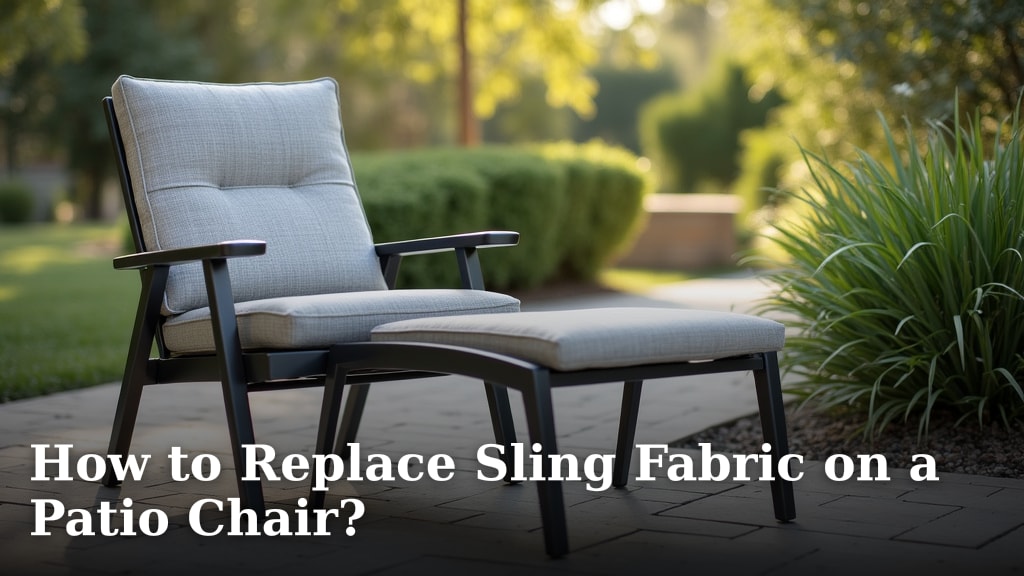
For small tears, you might use a heavy-duty fabric patio chair repairs. These kits often come with a strong adhesive. For larger tears, or if the fabric is just too faded, replacing the entire sling is often the best choice.
Replacing a sling involves removing the old fabric from the frame channels. Then you carefully measure and cut new fabric, sliding it into place. We found many online tutorials that walk you through this process step by step.
Replacing Webbing Straps
If your chair uses patio chair straps, individual straps can break. You can often buy replacement webbing by the roll. Just cut new pieces to length and attach them using screws or rivets. This is a very satisfying fix.
Tackling Rust and Corrosion
Rust is like the arch-nemesis of metal patio furniture. It appears as reddish-brown patches. But you can beat it back! This repair takes a little more elbow grease but is well worth the effort.
- Clean the rusty area: Use a wire brush or sandpaper to remove loose rust flakes.
- Sand thoroughly: Get down to bare metal if possible. Smooth any rough edges.
- Wipe clean: Remove all dust and debris.
- Apply primer: Use a rust-inhibiting primer. Let it dry completely.
- Paint: Apply several thin coats of outdoor metal paint.
Many experts suggest using a primer specifically designed for rust (Consumer Reports). This creates a good surface for the paint to stick. This also helps prevent future rust. Giving your chair a fresh coat of paint makes it look new.
Mending Broken Slats or Plastic Parts
Sometimes, a slat breaks or a plastic part cracks. What then? You might be able to repair or replace these. For wooden slats, you can often cut a new piece of wood to size, then sand and stain it to match.
For plastic parts, repairs can be trickier. Small cracks might be fixed with a strong plastic adhesive. For larger breaks, you might need to find a replacement part online. We found that matching parts can be tough for older or obscure brands.
Maintaining Your Repaired Patio Chair
You’ve put in the work, now keep it looking good! Regular cleaning helps prevent dirt and grime from building up. Wipe down your chairs after use. Store them away during harsh weather, if possible.
| Problem Type | Common Fix | Tools Needed |
|---|---|---|
| Wobbly Frame | Tighten bolts/screws | Wrench, screwdriver |
| Torn Fabric Sling | Replace sling fabric | Screwdriver, measuring tape, utility knife |
| Rust Spots | Sand, prime, paint | Sandpaper, wire brush, primer, outdoor paint |
| Broken Webbing | Replace individual straps | Scissors, rivets/screws |
| Cracked Plastic | Plastic adhesive or part replacement | Adhesive or new part |
Consider covering your patio chairs when not in use. This protects them from sun, rain, and dust. Research often connects covers with extended furniture life (Good Housekeeping). A little effort now saves bigger headaches later.
Conclusion
Fixing a patio chair doesn’t have to be a daunting task. By taking the time to inspect, gather your tools, and apply targeted repairs, you can give your outdoor furniture a second life. Remember, a little care and attention go a long way in keeping your patio oasis looking its best. So go ahead, give that favorite chair some love—it will thank you for it!
How do I stop my patio chair from rusting?
To stop your patio chair from rusting, first clean and sand any existing rust down to bare metal. Apply a rust-inhibiting primer, then finish with several coats of outdoor-grade paint. Regular cleaning and keeping the chair covered when not in use also helps prevent future rust.
Can I replace just one part of a patio chair?
Yes, you can often replace individual parts of a patio chair. This includes specific bolts, casters, glides, or even sections of fabric or webbing. The availability of replacement parts depends on the chair’s brand and age, but many generic parts fit a variety of chairs.
What kind of paint is best for outdoor chairs?
The best paint for outdoor chairs is typically a rust-inhibiting, all-weather outdoor enamel or spray paint designed for metal or plastic, depending on your chair’s material. Look for paints that offer UV resistance and protection against moisture and fading.
My patio chair fabric is just faded, not torn. Can I fix that?
While you can’t restore the original color to faded fabric, you can often revitalize it using a fabric paint or dye specifically designed for outdoor use. Always test a small, inconspicuous area first to ensure you like the color and finish.
Is it worth fixing an old patio chair or buying a new one?
Fixing an old patio chair is often worthwhile if the frame is sturdy and the repairs are simple, like tightening bolts or minor sanding and painting. It saves money and reduces waste. For extensive damage or very cheap chairs, buying new might be more practical, but often, a little DIY can bring beloved furniture back to life.