How To Fix Patio Chair Seats?
On this page (7 sections)
To fix patio chair seats, you often need to replace the worn-out fabric sling, mend broken vinyl straps, or tighten loose frame components.
Most repairs involve a few common tools and readily available materials, making it a manageable DIY project for many homeowners.
- Quick Fixes for patio chair seats usually involve tightening hardware or replacing simple parts like feet caps.
- Sling Fabric Repair means carefully removing the old fabric and installing a new, custom-cut one, often requiring specialized tools.
- Strap Restoration requires purchasing new vinyl strapping and weaving it correctly through the chair frame for support.
- Frame Repairs might include sanding away rust, applying rust-inhibiting paint, or reinforcing weakened joints.
- Consider Replacement if the chair frame has severe damage, multiple broken parts, or if the repair cost approaches that of a new chair.
How To Fix Patio Chair Seats?
Fixing patio chair seats usually means addressing either the support material, like fabric slings or vinyl straps, or issues with the chair’s frame itself.
The right approach depends entirely on what’s broken, but many repairs are quite straightforward.
Why Do Patio Chair Seats Even Break?
Patio chairs endure a lot. They face constant exposure to sun, rain, and temperature changes, which naturally leads to wear.
The materials, whether sling fabric, vinyl strapping, or metal frames, all have a lifespan.
Common Wear and Tear
Think about how often your chairs are used. Repeated sitting and standing put stress on the seat material, stretching it out over time.
This daily use causes threads to weaken and straps to crack, especially where they connect to the frame.
UV Damage and Weather
The sun’s ultraviolet (UV) rays are a major culprit. We found that UV exposure breaks down fabric fibers and makes plastic straps brittle.
Rain and humidity can lead to rust on metal frames, further weakening the overall structure of your outdoor furniture.
Diagnosing Your Chair’s Problem
Before you jump into fixing anything, take a good look at your chair. What exactly is the problem?
Is the fabric sagging, are straps snapped, or is the frame wobbly? A clear diagnosis helps you plan your repair.
Is It Sling Fabric, Straps, or Frame?
Sling chairs have a single piece of fabric stretched across the frame; these often sag or tear in the middle.
Strapped chairs use individual vinyl or plastic strips woven together, and these can snap or become loose.
Frame issues typically involve rust, bent metal, or loose screws causing instability.
Simple Fixes for Common Issues
Many patio chair problems have relatively easy fixes that you can tackle yourself.
Let’s look at some of the most common seat issues and how to get your chairs back in shape.
Fixing Worn Sling Fabric
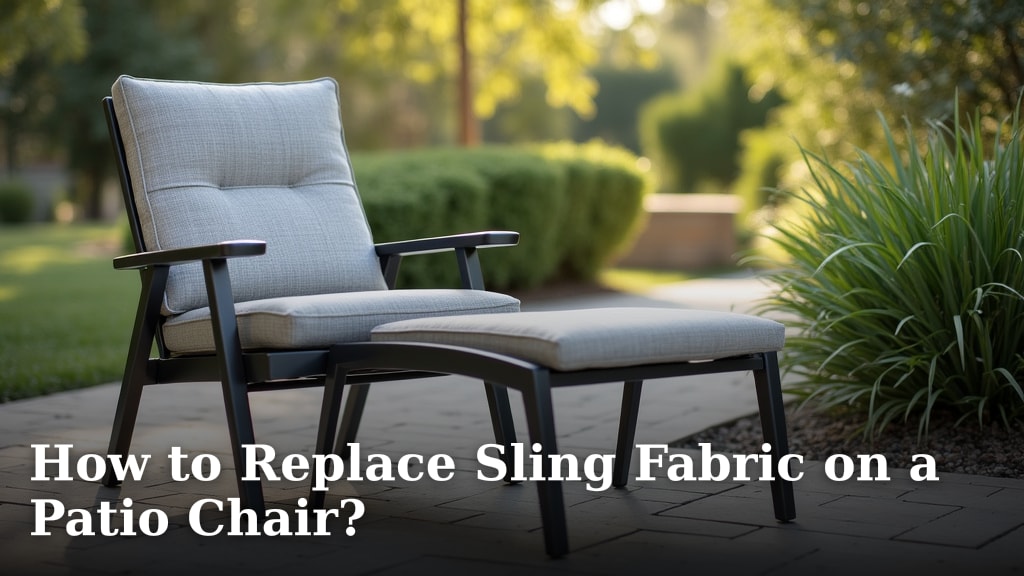
If your sling fabric is torn or severely sagged, replacement is often the best option. Many experts say trying to patch sling fabric rarely lasts.
You can buy pre-cut replacement slings or fabric by the yard to cut yourself, making sure to measure accurately.
Tools You’ll Need for Sling Repair
When replacing a sling, you’ll need a few basics. A screwdriver or wrench for frame bolts is key.
You might also use a rubber mallet, a spline roller, and possibly a sharp utility knife for cutting new fabric or spline cord.
Here’s a quick checklist for sling replacement:
- Remove the old sling and spline.
- Clean the chair frame thoroughly.
- Measure the frame and order new sling material.
- Insert the new spline into the fabric edges.
- Slide the new sling into the chair channels.
- Reassemble the chair frame carefully.
Repairing Broken Straps or Lacing
For chairs with individual straps, you’ll replace the broken ones. This usually involves removing the old strap and weaving in a new piece.
Vinyl strapping is often sold in rolls, allowing you to cut pieces to the exact length needed for your chair.
Steps for Re-Strapping
First, measure your old straps to get the correct length. If an old strap is missing, you can measure the distance between the two attachment points and add about 10-15% for tension and attachment.
Next, soak new vinyl straps in warm water for about 15-20 minutes to make them more pliable and easier to stretch.
Finally, attach one end with a screw or clip, stretch the strap tightly across the frame, and secure the other end.
- Individual Straps: Replace broken vinyl strips one by one.
- Bungee Cord Lacing: Sometimes used in mesh or textilene chairs; simply re-lace with new cord.
- Webbing: Broader fabric straps that weave through the frame, replaced similar to vinyl.
Dealing with Frame Issues
The chair’s frame is its skeleton; if it’s weak, the whole chair suffers. Addressing frame issues can add years to your chair’s life.
Don’t overlook these problems, as they can quickly worsen and become unsafe if ignored.
Loose Screws and Joints
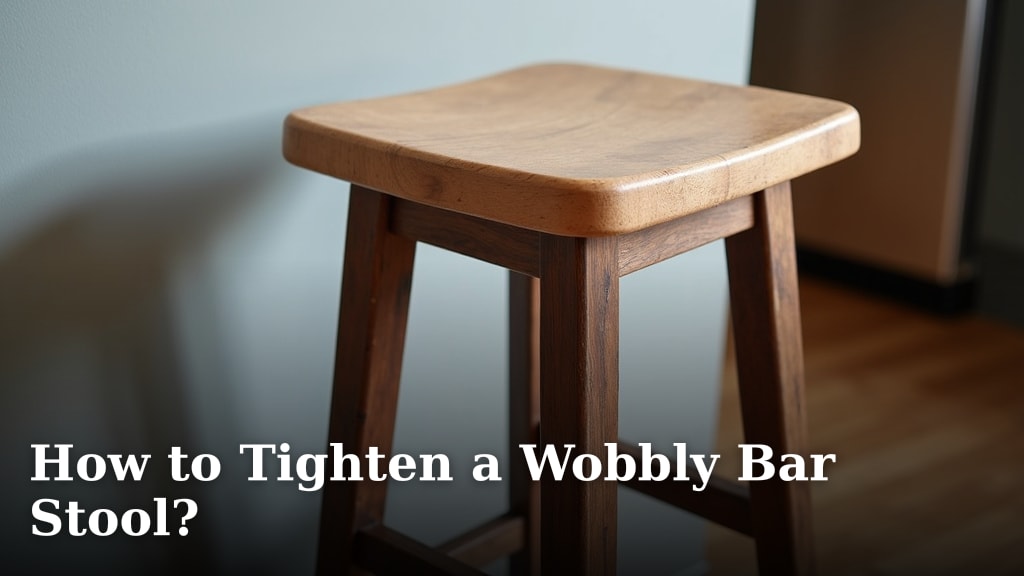
A wobbly chair is often caused by loose screws or bolts. Check all connection points and tighten them securely with the appropriate tool.
For persistent loosening, we found that applying a drop of thread locker to the screw threads before tightening can prevent future wobbles (Loctite often makes such products).
Rust and Corrosion
Rust eats away at metal and weakens the frame significantly. If you see rust, clean it off with a wire brush or sandpaper.
Once clean, apply a rust-inhibiting primer and then a fresh coat of outdoor-grade paint to protect the metal from future corrosion.
Minor Dents and Bends
Small dents in metal frames can sometimes be tapped out with a rubber mallet and a block of wood. However, if the bend is severe, it might compromise the chair’s structural integrity.
For plastic frames, minor warping might be gently reshaped with careful heating, though this requires caution not to melt the material.
| Problem Type | Common Cause | Recommended Solution |
|---|---|---|
| Light Surface Rust | Moisture exposure, lack of coating | Sand lightly, apply rust primer, paint. |
| Deep Corrosion/Pitting | Prolonged exposure to water/salt | Aggressive sanding, rust converter, prime, paint. |
| Loose Welds/Joints | Stress, material fatigue | Professional welding repair or reinforce with bracing. |
| Bent Metal Frame | Impact, heavy use | Gentle hammering, or replacement if severe. |
When Is It Time to Replace Instead of Repair?
While fixing things is satisfying, sometimes replacement is the wiser choice. Think about the chair’s condition and the cost of repairs.
There comes a point where investing in a new chair makes more sense than continuously patching an old one.
Assessing the Damage Level
If the frame itself is severely bent, cracked, or extensively rusted, repairs might be temporary or even impossible.
Multiple parts breaking simultaneously often points to the chair reaching the end of its useful life.
Safety First
A chair with a compromised frame can be unsafe. If you worry about it collapsing, it’s not worth the risk.
Many guidelines point to prioritizing user safety over sentimental value when furniture becomes structurally unsound (Consumer Product Safety Commission).
Prevention Tips to Extend Chair Life
An ounce of prevention is worth a pound of cure, right? Taking care of your patio chairs can significantly extend their lifespan.
A little effort now saves you bigger repair headaches later.
Regular Cleaning and Maintenance
Keep your chairs clean! Dirt and debris can trap moisture, accelerating wear and rust. A simple wash with soap and water does wonders.
Wipe down frames regularly and inspect for any developing issues, like loose screws or small rust spots.
Proper Storage
When not in use, especially during harsh weather seasons, store your chairs indoors or under a protective cover.
Many experts say keeping outdoor furniture out of direct sun and rain prolongs its life dramatically (National Weather Service guidance).
Conclusion
Fixing your patio chair seats can be a rewarding and cost-effective project. By diagnosing the problem correctly, whether it’s worn slings, broken straps, or a wobbly frame, you can apply the right solution.
From simple tightening to replacing entire fabric sections, many common issues are well within the grasp of a DIY enthusiast. Regular maintenance and proper storage are your best friends in keeping your outdoor seating comfortable and lasting for many seasons to come. Don’t let a small repair deter you from enjoying your patio!
How do I prevent my patio chair slings from sagging again?
To prevent future sagging, consider investing in higher-quality sling fabric that has better UV resistance and tensile strength. Also, avoid overloading the chairs and use protective covers when they are not in use for extended periods, especially during harsh sunlight or rain.
Can I use any fabric to replace a patio chair sling?
No, you shouldn’t use just any fabric. Patio chair slings require specialized outdoor fabric, typically made from PVC-coated polyester (textilene), that is designed to withstand UV rays, moisture, and mildew. Regular indoor fabrics will quickly deteriorate and tear when exposed to outdoor elements.
What’s the best way to clean my patio chair straps without damaging them?
The best way to clean patio chair straps is with a mild soap solution and a soft brush or sponge. Gently scrub away dirt and grime, then rinse thoroughly with clean water. Avoid harsh chemicals or abrasive scrubbers, which can degrade the vinyl or plastic material over time.
My metal patio chair frame is severely rusted. Can I still fix it?
If the rust is severe and has caused significant pitting or holes, compromising the frame’s integrity, it might be beyond a safe DIY repair. Surface rust is fixable, but deep structural rust could make the chair unsafe to use, and replacement would be the safer option.
Are there eco-friendly options for repairing patio chair seats?
Yes, repairing rather than replacing is inherently more eco-friendly! When you do need materials, look for recycled vinyl strapping or sling fabrics made from sustainable or recycled materials. Many manufacturers are now offering such options to reduce waste and environmental impact.