How To Remove Mildew From Patio Chairs?
On this page (5 sections)
To remove mildew from patio chairs, first brush off loose debris, then apply a cleaning solution like a diluted bleach mixture (1 part bleach to 4 parts water) or a white vinegar solution (1 part vinegar to 1 part water).
Scrub the mildewed areas with a soft brush, let it sit briefly, rinse thoroughly with clean water, and allow the chairs to air dry completely in the sun.
- Brush away loose mildew and dirt before you start cleaning.
- Use a gentle cleaning solution first, like dish soap or vinegar, especially for fabric.
- Bleach solution works well for stubborn mildew on many surfaces, but always dilute it.
- Always test your cleaning solution on a small, hidden area of your chair first.
- Rinse chairs very well after cleaning and dry them fully in the sun to stop mildew from returning.
How To Remove Mildew From Patio Chairs?
Removing mildew from your patio chairs often feels like a never-ending battle, doesn’t it? It can certainly be frustrating to see those unsightly spots. The good news is, with the right approach, you can restore your outdoor furniture to its former glory and keep it looking fresh. Our patio furniture mildew guide covers the broader cleanup.
Why Does Mildew Love Your Patio Chairs?
Mildew thrives in certain conditions. Think of your patio chairs as a perfect breeding ground when these conditions are met. You often see it appear in damp, humid environments with poor air circulation.
Patio chairs, especially those left in shady spots or covered for long periods, naturally trap moisture. This trapped moisture, combined with warmth and organic materials like pollen or dirt, creates the ideal home for mildew spores to grow.
Identifying Mildew vs. Mold
Sometimes people confuse mildew with mold. Mildew usually appears as a flat, powdery growth, often white, gray, or yellowish. It generally stays on the surface of materials, making it easier to clean.
Mold, on the other hand, can be fuzzy or slimy and comes in many colors, including green or black. It often penetrates deeper into surfaces, which makes it a bit tougher to deal with. For patio chairs, you are most likely dealing with mildew.
Gathering Your Mildew-Fighting Toolkit
Before you jump into cleaning, you will want to get all your supplies ready. Having everything at hand makes the process smoother and faster. You might be surprised that many effective tools are already in your home.
- Stiff brush or scrub brush (non-abrasive for delicate materials)
- Bucket
- Garden hose or pressure washer (on a low setting)
- Rubber gloves and eye protection
- White vinegar
- Baking soda
- Dish soap (mild)
- Bleach (liquid household chlorine bleach)
- Clean rags or sponges
Step-by-Step Mildew Removal Process (General Guide)
No matter the material of your chair, a few initial steps are universal. These foundational actions help prepare the surface for a deeper clean. Think of it as preparing a canvas before painting.
Initial Preparation for Cleaning
First, always start by brushing off any loose dirt, leaves, or obvious mildew growth. Use a dry, stiff brush for this. This step prevents you from just spreading the mildew around when you add liquid cleaners.
Next, give your chairs a good rinse with a garden hose. This helps remove surface grime and pre-wets the material. Pre-wetting can sometimes help cleaning solutions work better.
The Cleaning Checklist
Follow these steps for a thorough clean:
- Prepare your workspace: Move chairs to a well-ventilated area, preferably outdoors.
- Wear protective gear: Always put on gloves and eye protection before mixing or applying cleaners.
- Test your solution: Apply a small amount of your chosen cleaner to an inconspicuous spot. Wait a few minutes to ensure no discoloration or damage occurs.
- Apply generously: Once tested, apply the cleaner to all mildewed areas.
- Scrub gently: Use a soft brush or sponge to work the solution into the surface.
- Rinse completely: Wash away all cleaner and mildew residue with plenty of fresh water.
- Dry thoroughly: Let the chairs air dry completely in the sun, which can also help kill any remaining spores.
Cleaning Mildew from Fabric Patio Chairs
Fabric chairs are cozy but can be tricky with mildew. For cushion-specific cleaning steps, see our patio cushion mildew guide. You need to be careful not to damage the material or fade the colors. Many experts recommend starting with the least aggressive cleaning methods (University of Florida IFAS Extension).
Gentle Natural Solutions for Fabric
For most fabric chairs, a simple mixture can work wonders. Mix one cup of white vinegar with one gallon of warm water. Add a squirt of mild dish soap to this solution. This creates a powerful but fabric-friendly cleaner.
Spray or wipe this mixture onto the mildewed areas. Let it sit for about 15-30 minutes. Then, gently scrub with a soft brush. Rinse thoroughly with clean water until all soap bubbles are gone. Always allow the fabric to dry fully in the sun.
When to Use Bleach on Fabric (With Caution!)
Sometimes, for stubborn mildew on outdoor fabrics, you might need something stronger. A diluted bleach solution can be effective. We found that a ratio of 1 part bleach to 4 parts water is generally safe for colorfast fabrics. Always, and we mean always, do a patch test first.
Apply the bleach solution to the mildewed spot. Let it sit for no more than 10-15 minutes. Scrub with a brush, then rinse really well with clean water. Remember, bleach can weaken fabric fibers over time, so use it sparingly.
Tackling Mildew on Plastic and Resin Chairs
Plastic and resin chairs are a popular choice for their durability. Luckily, they are generally quite forgiving when it comes to cleaning mildew. The smooth, non-porous surface makes mildew easier to remove compared to fabric or wood.
You can often use the same diluted bleach solution mentioned for fabric (1 part bleach to 4 parts water). Another option is a simple mixture of warm water and dish soap. Many experts suggest these methods for effective cleaning of these materials (Good Housekeeping).
| Chair Material | Primary Cleaning Method | Notes for Success |
|---|---|---|
| Fabric (Colorfast) | Diluted Bleach or Vinegar/Soap | Always patch test. Rinse very thoroughly. |
| Plastic/Resin | Diluted Bleach or Soap/Water | Easy to clean. Can use a pressure washer on low. |
| Wood | Oxygen Bleach or Vinegar/Soap | Avoid harsh scrubbing. May need re-sealing. |
| Metal | Soap/Water or Vinegar | Prevent rust immediately after cleaning. |
Restoring Wooden Patio Chairs from Mildew
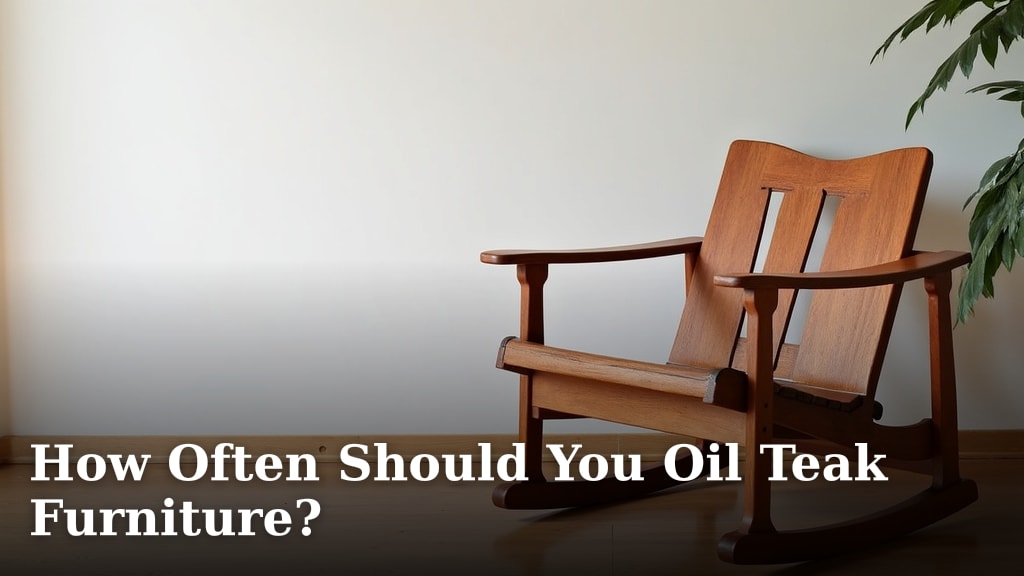
Wooden chairs add a natural beauty to your patio. However, mildew can easily penetrate wood pores. You need to be careful not to damage the wood or strip its finish. We found that harsh scrubbing can splinter wood, so use a softer touch.
For wood, consider using an oxygen bleach cleaner instead of chlorine bleach. Oxygen bleach is less harsh on wood fibers. Mix according to product directions, apply, let it sit, then scrub gently with a soft brush. Rinse well and let it dry completely.
After cleaning, you might notice the wood looks a bit dry. This is a great time to re-seal or re-stain your wooden chairs. This protective layer will help prevent future mildew growth and keep your chairs looking good longer.
Removing Mildew from Metal Patio Furniture
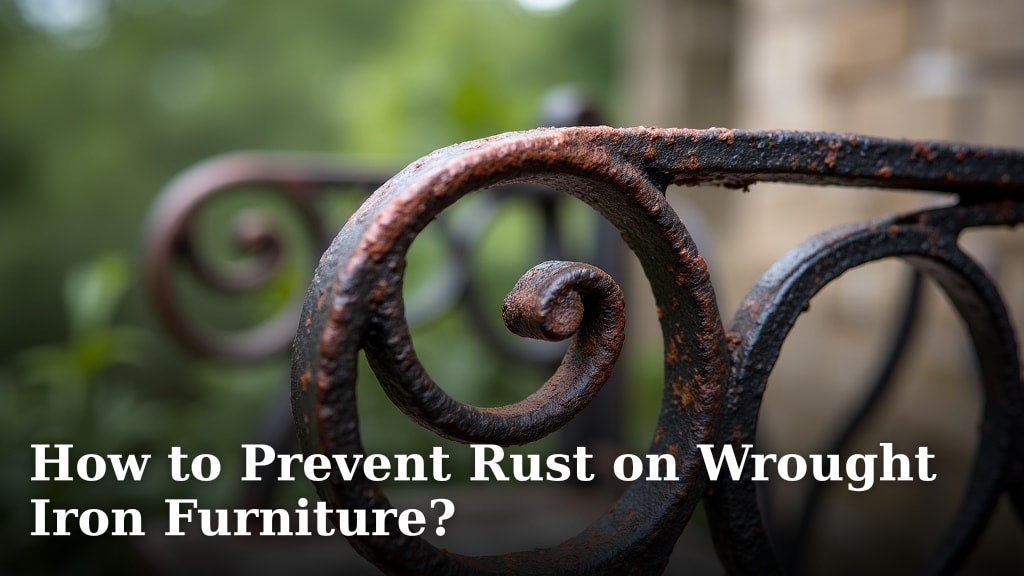
Metal patio chairs are robust, but mildew can still take hold, especially if there’s any rust or pitting. You want to address mildew on metal quickly to prevent further corrosion. A simple approach often works best here.
A solution of warm water and dish soap is often sufficient for metal chairs. Scrub with a soft brush or sponge. For tougher spots, a diluted white vinegar solution (1:1 with water) can also be effective. After cleaning, make sure to dry the metal thoroughly to prevent rust.
Safety First: Protecting Yourself and Your Chairs
When you are dealing with cleaning solutions, especially bleach, safety should always be your top priority. You are working with chemicals that can irritate your skin, eyes, and respiratory system. Protect yourself before you start.
Always wear rubber gloves to protect your hands. Safety glasses are a must to shield your eyes from splashes. Work in a well-ventilated area, preferably outdoors, to avoid inhaling strong fumes. Also, never mix bleach with ammonia or other cleaners; this can create dangerous gases.
Preventing Mildew From Coming Back
After all that hard work, the last thing you want is for mildew to return quickly. Prevention is truly the best medicine. A few simple habits can make a big difference in keeping your patio chairs spotless.
Store your chairs in a dry, covered area during extended periods of rain or when not in use. If you use covers, make sure they are breathable to avoid trapping moisture underneath. Many experts say that air circulation is key to preventing mildew (Environmental Protection Agency).
Regularly clean your patio chairs, even when they look clean. A quick wipe-down with a damp cloth or a rinse with the hose once a month can remove pollen and dust that feed mildew. Letting chairs dry in direct sunlight after rain or cleaning also helps immensely.
Conclusion
Tackling mildew on your patio chairs doesn’t have to be a daunting task. By understanding why mildew appears and using the right cleaning methods for each material, you can keep your outdoor space inviting and fresh. Remember to prioritize safety, clean regularly, and always allow your chairs to dry completely. With a little effort, your patio chairs will be ready for endless enjoyment, free from those unwanted spots.
How often should I clean my patio chairs to prevent mildew?
Aim to clean your patio chairs thoroughly at least once every few months, or more often if you live in a particularly humid or rainy climate. A quick wipe-down after heavy rain or weekly can also prevent mildew buildup.
Can I use a pressure washer to remove mildew from patio chairs?
You can use a pressure washer, but only on a very low setting and from a safe distance, especially for plastic, resin, or sturdy metal chairs. Avoid using it on fabric or delicate wooden chairs, as the high pressure can cause damage. Always test a small area first.
Are commercial mildew removers better than homemade solutions?
Commercial mildew removers can be very effective and might offer quicker results for stubborn stains. However, many homemade solutions, like vinegar or diluted bleach, are just as effective for typical mildew and are often more budget-friendly and less harsh. Choose based on stain severity and personal preference.
What if the mildew smell lingers after cleaning?
If a mildew smell persists, it often means the mildew spores weren’t completely eliminated. Try a second round of cleaning with your chosen solution, ensuring you scrub thoroughly. Allowing the chairs to dry in direct sunlight for an extended period can also help neutralize lingering odors.
Can I put fabric patio chair cushions in the washing machine?
It depends on the cushion. Always check the care label on your specific cushions. Some removable covers are machine washable on a gentle cycle, while others may require spot cleaning or professional dry cleaning. If machine washing, use cold water and a mild detergent, and air dry them completely.