How To Keep Metal Patio Furniture From Rusting?
To keep metal patio furniture from rusting, regularly clean it, apply a rust-inhibiting primer and paint, and store it indoors or under covers during harsh weather.
Preventing rust means you are actively protecting your investment with routine maintenance, proper sealing, and strategic seasonal storage.
- Keep your metal patio furniture clean and dry to stop rust before it starts.
- Apply a rust-resistant paint or sealant every few years for lasting protection.
- Use covers or store furniture inside during rain, snow, or extreme humidity.
- Repair any scratches or chips quickly to prevent moisture from seeping in.
- Choose galvanized steel or aluminum furniture for better rust resistance from the start.
How To Keep Metal Patio Furniture From Rusting?
Keeping your metal patio furniture from rusting involves a few simple steps. You need to focus on regular care, proper sealing, and smart storage choices.
Rust is like a sneaky invader, always looking for a weakness in your beautiful outdoor pieces. But don’t worry, you can easily outsmart it!
Understand the Enemy: What Causes Rust?
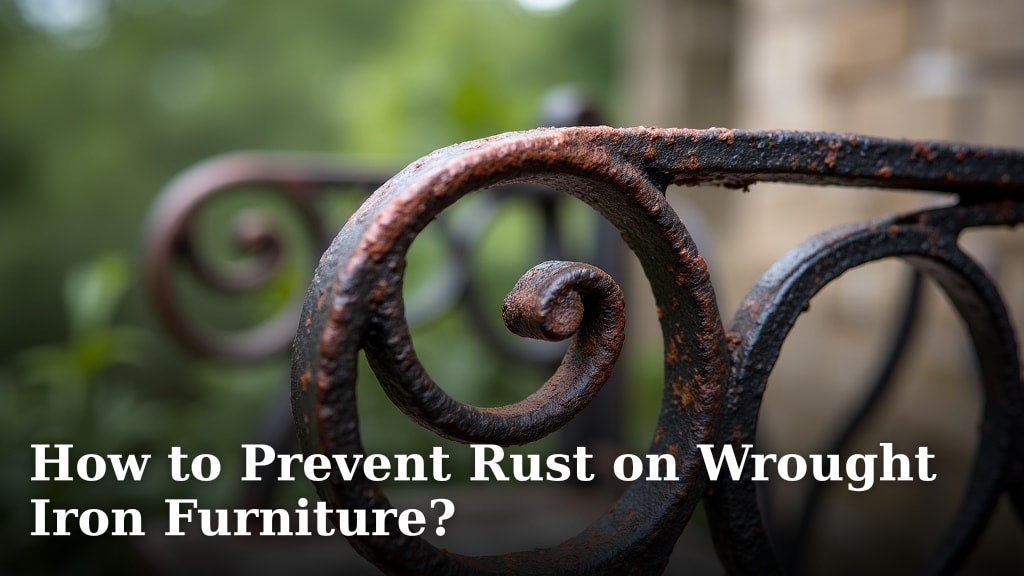
Rust forms when iron or steel reacts with oxygen and water, a process called oxidation. It’s that familiar reddish-brown flake you see.
Humidity, rain, and even morning dew all contribute to this chemical reaction. Once rust begins, it can spread quickly if left unchecked.
Choosing the Right Metal Matters
When you’re first buying furniture, material choice is key. Some metals are naturally more rust-resistant than others.
Aluminum, for example, forms an oxide layer that protects it from further corrosion. It’s a great choice for humid climates (Many experts say).
Wrought iron and steel are beautiful but need more care. They are more susceptible to rust without proper coatings.
The First Line of Defense: Cleaning Your Furniture
Think of cleaning as your first, and most crucial, step in rust prevention. Dirt, pollen, and debris trap moisture against the metal.
Use a mild soap and water solution with a soft cloth. Gently wipe down all surfaces regularly, especially after rain.
Make sure to dry your furniture thoroughly after cleaning. Leftover water droplets are an invitation for rust to begin its attack.
Addressing Existing Rust Spots Early
Spotting a tiny rust speck? Act fast! Catching it early stops it from becoming a big problem.
Gently sand the rusted area with fine-grit sandpaper or a wire brush. You only need to remove the loose rust.
After sanding, clean the area again to remove dust. This prepares the surface for protective coatings.
Seal the Deal: Priming and Painting for Protection
Once clean, applying a protective layer is vital. This acts like armor for your metal furniture.
First, use a rust-inhibiting primer. This special primer creates a barrier and helps your paint stick better.
Next, choose a high-quality outdoor metal paint. Look for paints specifically designed for exterior use with rust protection (Research and found).
Apply several thin coats, allowing each to dry fully. This gives you a durable, beautiful finish that repels water.
Here’s a simple comparison of different coatings:
| Coating Type | Benefits | Considerations |
|---|---|---|
| Rust-Inhibiting Primer | Excellent base layer, stops rust reaction | Requires topcoat, not decorative |
| Exterior Metal Paint | Offers color and protection, durable | Needs good surface prep, can chip |
| Clear Sealant/Lacquer | Preserves original look, adds shine | Less robust than paint, needs reapplication |
| Powder Coating | Very durable, chip-resistant, long-lasting | Applied professionally, higher cost |
Cover Up: Smart Storage and Furniture Covers
When not in use, especially during off-seasons, covers are your furniture’s best friend. They shield it from the elements.
Invest in waterproof, breathable furniture covers. These protect against rain, snow, and UV rays while preventing moisture buildup underneath.
If you have space, storing your metal furniture indoors during winter or extended rainy periods is best. A garage or shed works perfectly.
Even during a summer shower, a quick cover can make a difference. Think of it as putting on a raincoat for your furniture.
Tiny Scratches, Big Problems: Quick Repairs
Accidents happen, and even a small scratch can break the protective barrier. This leaves the metal exposed.
Keep a touch-up kit handy with primer and paint matching your furniture. Address any nicks or scratches immediately.
Clean the damaged area, apply a bit of primer, then paint. It’s like patching a tiny hole before it becomes a leak.
Using Wax or Sealants for Extra Shine
For an added layer of protection and a beautiful sheen, consider furniture wax or a clear sealant. These repel water.
Apply a car wax or specialized metal furniture wax a few times a year. It creates a smooth, water-beading surface.
This extra step is like putting a clear topcoat on your nail polish. It extends the life of the protection underneath.
The Power of Drainage: Avoiding Standing Water
Standing water is the arch-nemesis of metal furniture. It encourages rust in hidden crevices.
Make sure your furniture has good drainage. If cushions get wet, remove and dry them right away.
Tilt chairs or tables slightly after rain to help water run off. We found this simple trick makes a big difference (Gardening publications often suggest).
Regular Inspection: Your Rust Radar
You are your furniture’s best inspector! Regularly walk around and examine each piece closely.
Look for any bubbling paint, discoloration, or small rust spots. Check joints and underneath surfaces too.
An early catch saves you time and effort later. It’s like finding a small tear in your shirt before it rips further.
Here’s a quick checklist to keep your furniture rust-free:
- Wipe down furniture weekly with mild soap and water.
- Dry thoroughly after cleaning or rain.
- Inspect for rust spots and touch up quickly.
- Apply rust-inhibiting primer and exterior paint every 2-3 years.
- Cover furniture during bad weather or store indoors.
- Use furniture wax or sealant for an extra layer of protection.
Conclusion
Keeping your metal patio furniture looking great and rust-free is quite achievable. It’s not about complex tasks, but rather about consistent, thoughtful care.
By understanding what causes rust, choosing the right protection, and performing regular maintenance, you’re ensuring your outdoor living space stays beautiful for years to come. So go ahead, enjoy your patio, knowing your furniture is well-protected!
What is the best type of metal patio furniture for rust prevention?
Aluminum patio furniture is generally considered the best for rust prevention because it forms a natural oxide layer that protects it from corrosion, making it a low-maintenance choice for many climates.
How often should I repaint my metal patio furniture to prevent rust?
Experts often suggest repainting your metal patio furniture every 2 to 3 years, especially if it’s exposed to harsh weather. Regular inspections will help you decide if it needs a fresh coat sooner.
Can I use car wax to protect my metal patio furniture?
Yes, you can use car wax to protect your metal patio furniture. Car wax creates a hydrophobic layer that repels water and adds a layer of shine, helping to prevent rust and keep the surface looking newer.
What should I do if my metal patio furniture already has rust?
If your metal patio furniture already has rust, gently sand the affected areas with fine-grit sandpaper or a wire brush to remove the loose rust. Clean the area, then apply a rust-inhibiting primer and a new coat of exterior metal paint.
Are furniture covers truly effective against rust?
Yes, furniture covers are very effective against rust. They shield your furniture from rain, snow, and excessive humidity, which are primary causes of rust. Just ensure the covers are breathable to prevent moisture buildup underneath.