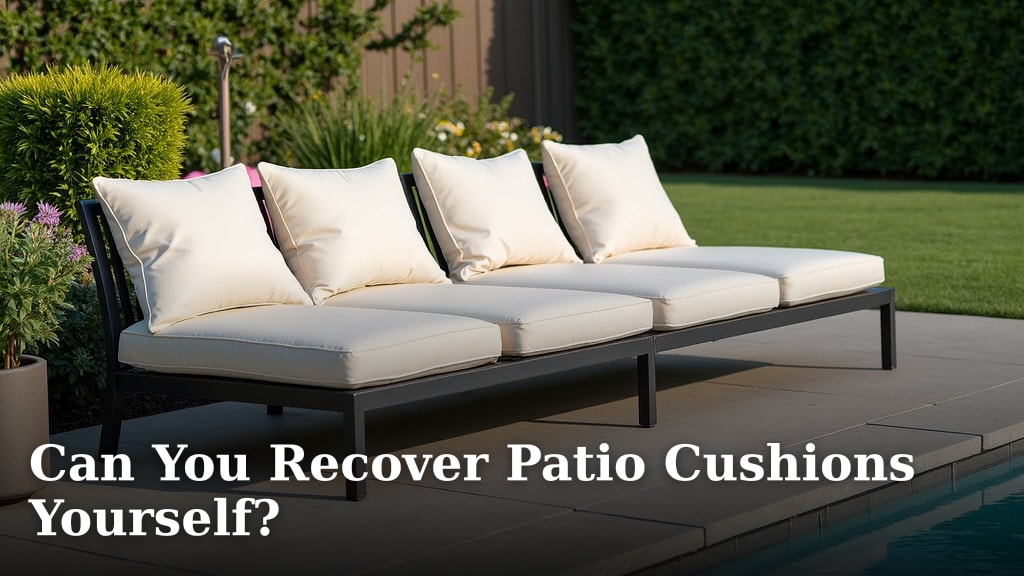
Can You Leave Patio Cushions Out?
You can leave some patio cushions out, especially those designed with weather-resistant fabrics and quick-drying foam. However, for most cushions, bringing them inside or protecting them during harsh weather prolongs their life and keeps them looking great.
Leaving patio cushions out constantly can lead to damage like fading, mold, mildew, and structural deterioration. Protecting your cushions from the elements, especially rain and intense sun, helps them last much longer and saves you money in the long run.
Here’s a quick overview of what you need to know about leaving your patio cushions outside:
- Weather-resistant fabrics can handle light rain and sun exposure better than standard materials.
- Heavy rain or prolonged dampness often leads to mold, mildew, and an unpleasant smell.
- Direct sunlight causes colors to fade over time, making cushions look old and worn.
- Proper storage during off-seasons or bad weather protects cushions from damage and pests.
- Regular cleaning prevents dirt buildup and helps maintain the cushion’s integrity.
Can You Leave Patio Cushions Out?
The straightforward answer is it depends heavily on the cushion’s materials and your local climate. While some cushions tolerate the outdoors better, most benefit from protection.
What Happens If You Leave Cushions Outside?
Leaving your cushions exposed to the elements constantly can lead to a few common issues. Think of them like your favorite shirt; you wouldn’t leave it outside for weeks, would you?
Fading from Sun Exposure
The sun, while lovely for tanning, is a relentless adversary for fabric colors. UV rays break down dyes, causing your vibrant cushions to become dull and washed out. Many experts say that even the best fade-resistant fabrics will show some change over seasons (Outdoor Fabric Institute).
Mold and Mildew Growth
Moisture is the biggest culprit here. Cushions that stay damp after rain or dew create a perfect breeding ground for mold and mildew. These fungi not only look unsightly but also produce a musty smell and can degrade the fabric fibers themselves. Research often connects prolonged dampness with fungal growth on textiles (EPA).
Structural Damage and Pests
Rain can soak into the foam core, making cushions heavy and slow to dry. This constant wetting and drying weakens the foam and fabric stitching. Bugs and even small rodents might also find wet, dark cushions an inviting temporary home.
Factors to Consider for Your Cushions
Before you decide to leave your cushions out, think about these key points. They are like a personalized checklist for your patio furniture.
Cushion Material Matters
The fabric type is your first line of defense. Fabrics like solution-dyed acrylic (e.g., Sunbrella) resist fading and water absorption much better than standard cotton or polyester. Some cushions also feature open-cell foam designed to drain water quickly, reducing drying time.
Local Weather Conditions
Do you live in a sunny desert, a rainy coastal area, or a humid region? Your local climate dictates how much protection your cushions need. A gentle drizzle is one thing; a week of heavy rain is another. Always consider your regional weather patterns.
Cushion Quality and Construction
High-quality cushions often use more robust stitching and superior foam. They might also feature zippers for easy cover removal, making cleaning much simpler. Better construction means they are built to withstand more outdoor exposure.
Smart Strategies for Cushion Care
You want your cushions to last, right? Here are some simple yet effective ways to keep them looking fresh and inviting for years.
Choose Weather-Resistant Fabrics
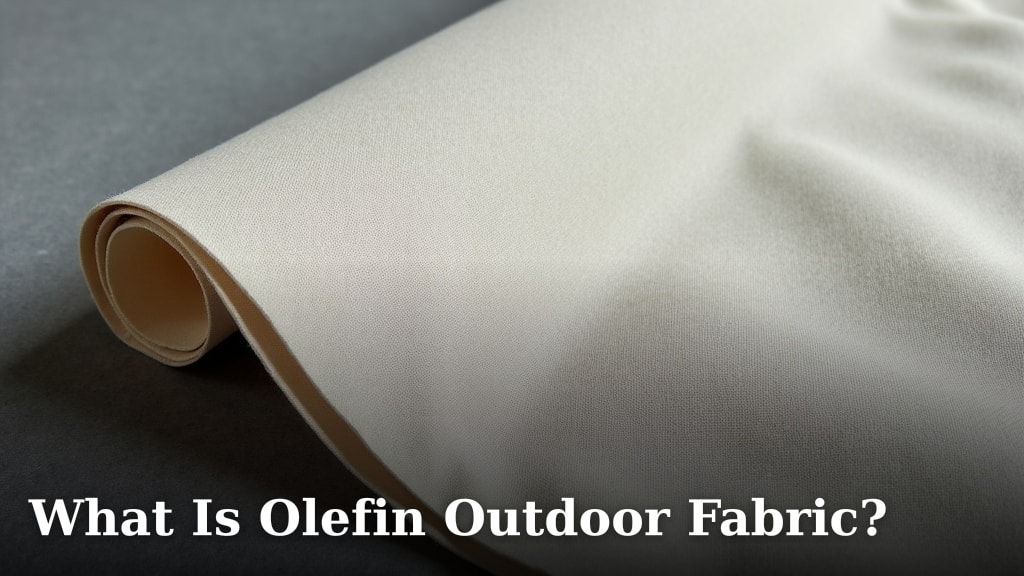
When buying, prioritize cushions with fabrics known for their outdoor durability. Look for terms like “solution-dyed acrylic,” “olefin,” or “marine-grade vinyl.” These materials naturally resist water, fading, and mildew.
Invest in Protective Covers
Think of furniture covers as a rain jacket for your cushions. When you know bad weather is coming, or if you’ll be away, simply cover your furniture. This is an easy step that offers significant protection from sun and rain.
Simple Storage Solutions
A good storage box can be a game-changer. During extended periods of rain, strong winds, or when you are not using your patio, storing cushions in a deck box or a shed keeps them dry and clean. We found that many homeowners find storage boxes incredibly convenient.
Routine Cleaning is Key
Even weather-resistant cushions need a little love. Brush off loose dirt weekly. Spot clean spills immediately. A mild soap and water solution can work wonders for general cleaning. This simple routine prevents grime from setting in.
Here’s a quick glance at how different cushion types generally fare outdoors:
| Cushion Type | Outdoor Tolerance | Key Recommendations |
|---|---|---|
| Standard Polyester/Cotton Blend | Low | Always bring inside or cover during rain and strong sun. |
| Water-Resistant Olefin | Medium | Can handle light moisture; protect from heavy rain & direct sun. |
| Solution-Dyed Acrylic (e.g., Sunbrella) | High | Good for extended outdoor use; still benefits from protection during harsh weather. |
| Vinyl/Marine-Grade Fabric | Very High | Excellent water resistance; often just needs wiping down. |
Checklist for Outdoor Cushion Care:
-
Check the weather forecast regularly.
-
Brush off dirt and debris weekly.
-
Spot clean spills as they happen.
-
Use protective covers during storms or prolonged absence.
-
Store cushions in a dry place during the off-season.
-
Periodically deep clean according to manufacturer instructions.
When to Definitely Bring Them In
If heavy rain, strong winds, or a storm is on the horizon, always bring your cushions inside. Freezing temperatures are also a big no-no; moisture trapped in the foam can expand, damaging the cushion structure. It’s better to be safe than sorry when the weather turns truly nasty.
Conclusion
Deciding whether you can leave patio cushions out isn’t a simple yes or no. It’s about understanding your cushions’ materials, knowing your local climate, and practicing a little proactive care. By choosing the right cushions and giving them minimal attention, you can enjoy them much longer. Think of it as protecting your investment and ensuring your outdoor space stays beautiful and comfortable.
How often should I clean patio cushions?
For best results, aim for a light cleaning weekly by brushing off loose dirt and dust. A more thorough cleaning with mild soap and water is good once a month during the peak season, or immediately after any significant spill.
Can rain damage all patio cushions?
While some cushions are designed to be water-resistant, prolonged exposure to heavy rain can damage almost any cushion. Water can seep into the foam, leading to mold, mildew, and weakening of the fabric, regardless of its initial resistance.
What’s the best way to store cushions long-term?
For long-term storage, ensure your cushions are completely dry and clean. Store them in a cool, dry, well-ventilated area like a garage, shed, or a dedicated deck storage box. Using breathable storage bags can also protect them from dust and pests.
Are “waterproof” cushions truly waterproof?
Often, cushions marketed as “waterproof” are more accurately “water-resistant.” This means they can repel light moisture and dry quickly, but they are not designed to be submerged or left out indefinitely in pouring rain without eventually absorbing water. Always check the specific product details.
How do I remove mold from patio cushions?
To remove mold, mix a solution of one part white vinegar to two parts water, or a very mild bleach solution (one part bleach to ten parts water for colorfast fabrics). Apply to the affected area, let it sit for a few minutes, scrub gently with a brush, then rinse thoroughly and allow to air dry completely in the sun.