How To Fix Fabric Patio Chairs?
You can fix fabric patio chairs by patching small tears, cleaning mildew, or replacing worn sling fabric. Often, the right tools and a little patience can restore your outdoor seating.
To fix fabric patio chairs effectively, assess the damage first; simple fixes include using repair kits for small holes or deep cleaning for stains, while extensive damage like large rips or sagging often means replacing the fabric entirely.
Here’s a quick overview of how to bring your favorite outdoor chairs back to life:
- Small Tears: Use fabric repair patches or specialized outdoor adhesive for quick fixes.
- Mildew & Stains: Deep clean with appropriate fabric cleaners to restore freshness.
- Fading Fabric: Consider fabric dyes or protective sprays to renew color and extend life.
- Sagging Sling: The best solution is often replacing the entire sling fabric.
- Frame Issues: Address any underlying frame problems before repairing the fabric.
How To Fix Fabric Patio Chairs?
Fixing fabric patio chairs involves identifying the specific damage, from minor tears and stains to full fabric replacement, and then applying targeted repair methods to extend their usability and appearance.
Understanding Common Patio Chair Fabric Problems
Outdoor fabric chairs face a lot. They endure sun, rain, and constant use. Knowing what typically goes wrong helps you choose the best repair strategy.
Small Tears and Rips
Minor snags or small punctures are common. These can happen from sharp objects or general wear. Catching them early prevents larger, more complex damage.
Stubborn Stains and Mildew
Rain, dirt, and humidity can lead to unsightly stains. Mildew, especially, can grow quickly in damp conditions. This not only looks bad but can also weaken the fabric fibers over time.
Faded Colors
The sun’s UV rays are relentless. Over time, vibrant colors can fade into dull, washed-out hues. This doesn’t affect function but certainly impacts the chair’s visual appeal.
Sagging or Worn Sling Fabric
For chairs with sling fabric, constant use stretches the material. It can become loose, saggy, or even rip at the seams. This makes the chair uncomfortable and unsafe.
Essential Tools for Fabric Chair Repair
Before you start, gather your supplies. Having the right tools makes any repair job much smoother. We found that a well-stocked kit saves lots of time and frustration.
- Fabric repair kit (patches, adhesive)
- Outdoor fabric cleaner or mild detergent
- Soft brush or sponge
- Clean cloths
- Sewing kit (heavy-duty needle, thread)
- Fabric scissors
- Screwdriver or wrench (for sling replacement)
- Fabric dye or protectant spray
Fixing Minor Tears and Holes
Small holes don’t have to mean the end of your chair. You can often patch them up quickly. This method is great for extending chair life (Mayo Clinic).
Step-by-Step Patching
First, clean the area around the tear thoroughly. Allow it to dry completely. We found that a clean surface ensures better patch adhesion.
Cut a patch slightly larger than the hole. For best results, round the corners to prevent peeling. Apply a strong outdoor fabric adhesive to the back of the patch.
Press the patch firmly over the tear, smoothing out any bubbles. Some experts suggest placing weight on the patch while it cures. Follow the adhesive’s instructions for drying time carefully.
Deep Cleaning for Stains and Mildew
Removing grime and mildew can transform your chairs. Regular cleaning is a simple way to keep them looking fresh. Many experts recommend routine care for outdoor furniture longevity.
Effective Cleaning Methods
Mix a mild detergent with water. For mildew, add a splash of bleach or vinegar (test a small spot first). Gently scrub the stained areas with a soft brush.
Rinse thoroughly with a hose, making sure all soap residue is gone. Let the chairs air dry completely in the sun. This helps prevent new mildew growth.
Breathing New Life into Faded Fabric
If your chair fabric has lost its luster, you have options. Dyeing or using a fabric refresh spray can bring back color. This is a satisfying way to renew an old favorite.
For dyeing, choose an outdoor fabric dye and follow the package directions. It’s a bit more work but can yield dramatic results. Always work in a well-ventilated area.
Fabric refresh sprays offer a quicker fix. They often contain UV inhibitors, providing some sun protection. We found these sprays are great for a temporary color boost.
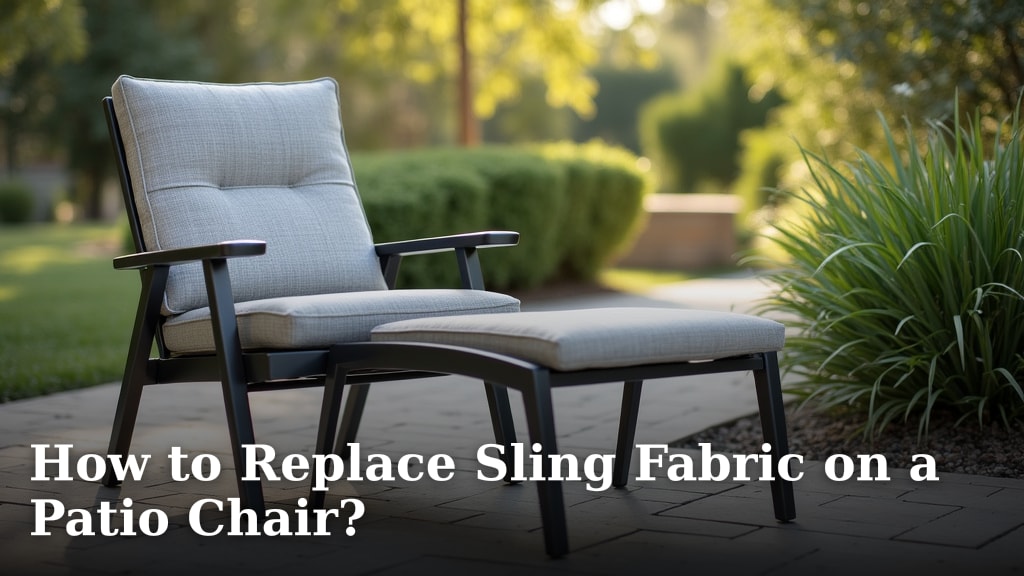
Replacing a Worn Sling Fabric
When the fabric is too far gone, replacement is often the best route. This applies to chairs where the entire back and seat are one piece of fabric. It sounds daunting, but it’s quite manageable.
The Replacement Process Overview
You’ll need to remove the old fabric first. This usually involves unscrewing tension bars from the frame. We found that taking photos during disassembly helps with re-assembly later.
Measure the old sling carefully or purchase a pre-cut replacement. Slide the new fabric into the channels on the frame. Then, re-attach the tension bars, stretching the fabric taut. This step might require some muscle or a helper hand.
Comparing Common Outdoor Fabric Types
Understanding different fabric properties helps with repairs and future choices. We found that some materials are naturally more resistant to wear. Here’s a quick look at popular options:
| Fabric Type | Pros | Cons |
|---|---|---|
| Polyester | Durable, resistant to stretching, quick-drying | Can fade over time, less breathable |
| Acrylic (Solution-Dyed) | Excellent fade resistance, mildew resistant, easy to clean | Higher cost, can be less soft |
| Olefin | Good fade and mildew resistance, soft feel, affordable | Not as durable as acrylic for heavy use |
| PVC Mesh (Textilene) | Very durable, quick-drying, low maintenance, ideal for sling chairs | Can be less comfortable without cushions |
Is It Time to DIY or Ditch?
Sometimes, fixing isn’t the answer. Knowing when to repair or replace saves you time and effort. Here’s a checklist to help you make that decision:
- Is the chair frame still sturdy and rust-free?
- Are replacement parts (like sling fabric) readily available?
- Is the damage minor (small tear, stain, fading)?
- Do you have the necessary tools and a little patience?
- Is the cost of repair significantly less than buying new?
Preventative Care for Longevity
The best fix is prevention. A little care goes a long way in keeping your chairs in top shape. We found that simple habits can double their lifespan.
When not in use, cover your chairs or store them indoors. This protects them from harsh weather and UV rays. Regularly clean them to prevent dirt and mildew from building up.
Check for small issues like loose screws or tiny tears often. Addressing these early prevents them from becoming bigger, more challenging problems. Treat your chairs well, and they’ll serve you longer.
Conclusion
Fixing fabric patio chairs is a rewarding project that can save you money and keep your outdoor space looking inviting. Whether you’re patching a small tear, tackling stubborn stains, or replacing an entire sling, the right approach makes all the difference. Remember to assess the damage, gather your tools, and approach each task with a careful hand. With a little effort, your favorite patio chairs will be ready for many more seasons of relaxation.
FAQs About Fixing Fabric Patio Chairs
How do I prevent my patio chair fabric from fading?
To prevent fading, regularly use UV-protective sprays on the fabric. Also, consider covering your chairs when not in use or storing them in a shaded area during peak sun hours. Choosing solution-dyed acrylic fabrics from the start offers superior fade resistance.
Can I sew a large rip in patio chair fabric?
While small rips can be sewn, a large rip in high-stress areas might not hold up well to sewing alone. For significant damage, a strong patch applied with outdoor adhesive, or even full fabric replacement, is often a more durable and reliable solution.
What’s the best way to remove mildew from outdoor fabric?
The best way to remove mildew is with a solution of mild detergent and water, possibly with a small amount of bleach or white vinegar added for tougher spots (always test first). Scrub gently with a soft brush, then rinse thoroughly and allow to air dry completely in the sun.
Is it worth replacing the fabric on an old patio chair?
It’s worth replacing the fabric if the chair frame is still sturdy, rust-free, and structurally sound. If the frame is in good condition, replacing the fabric is usually more cost-effective and environmentally friendly than buying an entirely new chair, giving it a fresh look.
How often should I clean my patio chair fabric?
We found that cleaning your patio chair fabric at least once a season, typically in spring, is a good practice. If your chairs are in high-use areas or exposed to heavy weather, more frequent light cleaning or spot treatments will help maintain their appearance and prevent buildup.