How To Fix Fabric On Patio Chairs?
On this page (3 sections)
To fix fabric on patio chairs, you often need to assess the damage first; for small tears, patching with a durable adhesive kit or sewing a matching patch can work wonders.
More extensive issues like large rips or significant fading might require repairing your patio chair or cushion cover, offering a complete refresh for your outdoor seating.
-
Small tears? Patch them up with a fabric repair kit or a needle and thread for a quick fix.
-
Faded fabric? Consider fabric dye specifically designed for outdoor materials to bring back their vibrancy.
-
Mold or mildew? A gentle cleaning solution can often restore the fabric’s appearance and hygiene.
-
Major damage? Replacing the entire chair sling or cushion cover is a practical and often straightforward solution.
-
Prevention is key: Use covers and clean regularly to extend your patio chair fabric’s lifespan.
How To Fix Fabric On Patio Chairs?
Fixing patio chair fabric brings new life to your patio chairs, saving you money on replacements and letting you enjoy your chairs longer.
We found that addressing damage early prevents bigger problems and keeps your outdoor seating looking its best.
Why Does Patio Chair Fabric Get Damaged?
Patio chair fabric faces tough challenges. The sun’s UV rays cause fading and brittleness over time (National Institute of Standards and Technology).
Rain and humidity can lead to mildew and rot, while constant use simply wears down the fibers, creating frays and small tears.
Assessing the Damage: A Quick Check
Before you fix anything, take a good look. Is it a tiny snag, a gaping hole, or just some discoloration?
Understanding the problem helps you choose the right repair method and avoid wasted effort.
Small Tears and Holes
For minor punctures or small rips, a simple patch job might be all you need. Think of it like a bandage for your chair.
Many experts say addressing these quickly stops them from growing into larger issues.
Faded or Discolored Fabric
Has your vibrant blue faded to a pale grey? UV exposure is usually the culprit. Dying the fabric can be a fun project, giving your chairs a fresh look.
Or perhaps you prefer the weathered, sun-kissed charm of its current state?
Mold or Mildew Stains
Greenish or black spots mean mildew is present. This isn’t just unsightly; it can also weaken the fabric over time.
A good cleaning can often remove these stains and restore fabric health.
Tools and Materials You’ll Need
Having the right gear makes any repair easier. What’s in your toolbox for patio furniture fixes?
- Fabric repair adhesive or heavy-duty fabric glue.
- Matching outdoor fabric scraps for patches.
- Sharp scissors.
- Heavy-duty needle and UV-resistant thread (if sewing).
- Mild soap, water, and a soft brush for cleaning.
- Fabric dye kit (for fading).
- A seam ripper (if replacing slings).
Method 1: Patching Small Tears
Patching is often the easiest and most economical fix for minor damage. It’s like giving your chair a tiny, strong cast.
We found that a well-applied patch can significantly extend your chair’s life.
Step-by-Step Patching Guide
First, clean the area around the tear thoroughly to ensure the patch adheres properly. A clean surface is a happy surface!
Next, cut a patch slightly larger than the tear from a similar outdoor fabric. Many guidelines point to rounding the corners of your patch for better adhesion and less fraying (Outdoor Fabric Care Council).
Apply a thin, even layer of fabric glue to the patch’s edges, then press it firmly over the tear, smoothing out any air bubbles.
If you’re sewing, carefully stitch the patch in place using a strong, UV-resistant thread. Let it cure completely before use.
Method 2: Replacing Slings or Covers
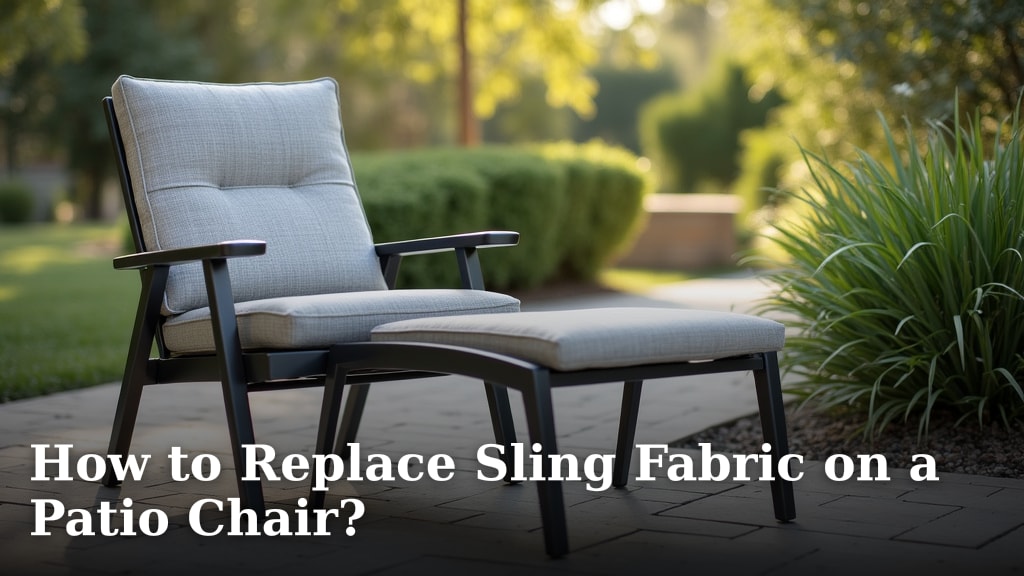
Sometimes a patch just isn’t enough, especially for large rips or completely deteriorated fabric. Replacing the sling or cushion cover can be the best option.
This method gives your chair a “brand new” feel without buying a whole new piece of furniture.
Finding the Right Replacement
Measure your old sling or cushion cover carefully. Many manufacturers offer replacement parts, or you can find custom options online.
We found that taking precise measurements prevents frustration and ensures a perfect fit (Patio Furniture Repair Guide).
DIY Replacement Tips
Carefully remove the old fabric, paying attention to how it was attached. Take photos if it helps you remember.
Then, simply install the new fabric, often by sliding it into grooves or tying it securely. It’s a bit like dressing up your chair in a fresh, new outfit.
Revitalizing Faded Fabric
Don’t toss those faded cushions yet! Fabric dye can work wonders. Choose a dye specifically for outdoor use and synthetic materials.
Research often connects proper dyeing techniques with long-lasting color results (Dyeing for Dummies).
Always follow the dye kit instructions precisely. You might need to pre-clean the fabric and then apply the dye, letting it set as directed.
Think of it as a beauty treatment, bringing back the fabric’s glow. What color will you choose to brighten your patio?
Preventative Care: Extend Your Fabric’s Life
An ounce of prevention is worth a pound of cure, right? Protecting your patio chair fabric is easier than fixing it.
Regular cleaning and smart storage can significantly boost their longevity, allowing you more time to simply relax.
Quick Care Checklist
- Wipe down chairs regularly to remove dirt and pollen.
- Spot clean spills immediately to prevent stains.
- Use breathable outdoor furniture covers when not in use.
- Store cushions indoors during harsh weather or off-season.
- Periodically check for small tears or mildew before they spread.
Common Fabric Types and Their Care Needs
| Fabric Type | Common Damage | Best Fix Approach |
|---|---|---|
| Olefin | Fading, mildew, general wear | Patching, thorough cleaning, mild bleach for mildew |
| Acrylic (e.g., Sunbrella) | Fading, stains, minor tears | Specific fabric cleaners, patching, professional re-dyeing |
| Polyester | UV degradation, tears, water stains | Patching, fabric protectors, replacement |
| Textilene (sling chairs) | Tears at seams, stretching, fading | Sling replacement is most common, seam repair for small rips |
| Cotton/Canvas | Mildew, water spots, significant fading | Careful cleaning, re-dyeing, often best to replace covers |
Conclusion
Fixing the fabric on your patio chairs isn’t just about saving money; it’s about preserving your comfort and the aesthetic of your outdoor retreat.
Whether it’s a quick patch, a deep clean, or a complete replacement, taking action ensures your patio chairs remain inviting and functional.
You can easily give your beloved outdoor seating a second life, making your patio the perfect place to unwind once again.
What household items can I use to clean patio chair fabric?
For most patio chair fabrics, a simple mixture of mild dish soap and warm water works wonders. You can also add a splash of white vinegar for extra cleaning power, especially against mildew. Always test on an inconspicuous spot first!
Is it better to patch or replace fabric for large tears?
For large tears, especially those longer than a few inches or near stress points, replacing the entire sling or cushion cover is generally the better, more durable option. Patching might be a temporary fix, but replacement offers a longer-lasting solution.
Can I paint patio chair fabric instead of dyeing it?
While fabric paint exists, dyeing typically provides a more natural, flexible, and long-lasting color for patio chair fabric. Paint can sometimes feel stiff or crack over time, whereas dye penetrates the fibers for a softer finish.
How often should I clean my patio chair fabric?
A good general guideline is to lightly clean your patio chair fabric monthly during the outdoor season and perform a more thorough cleaning at the beginning and end of each season. Immediate spot cleaning for spills is always recommended.
What kind of thread should I use if I sew a patch on patio chair fabric?
If you’re sewing a patch, always use a heavy-duty, UV-resistant polyester or nylon thread. These threads are designed to withstand sun exposure and outdoor elements, offering much greater durability than standard sewing thread.