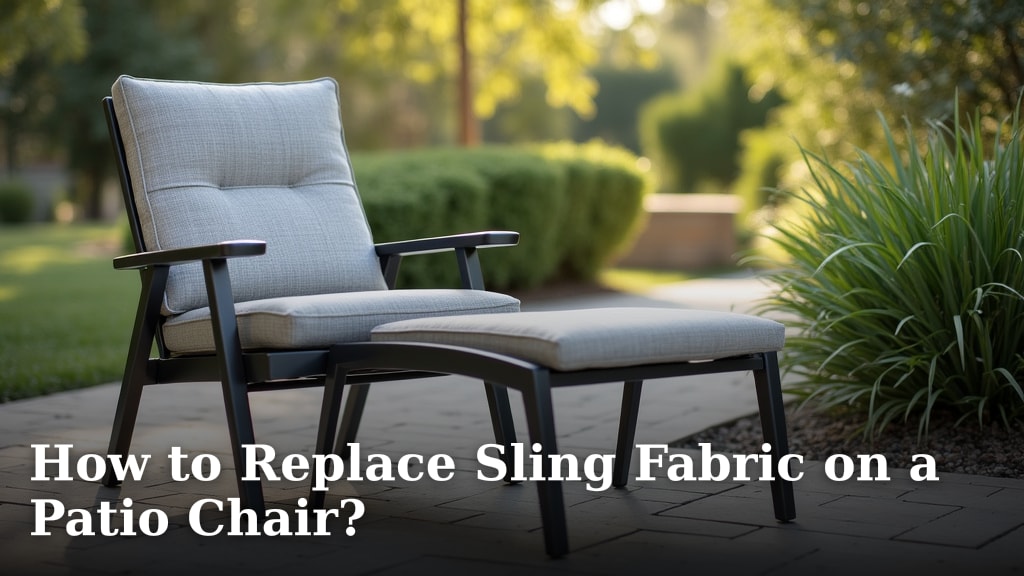
How To Fix A Mesh Patio Chair?
To fix a mesh patio chair, you generally need to address tears, sagging fabric, or loose frame components. Small tears can be patched with specialized repair kits, while larger damage often requires replacing the entire mesh sling.
You’ll also want to tighten any loose screws or bolts in the chair’s frame to restore stability and prevent further issues.
- You can often repair small mesh tears using a patch kit, saving your chair.
- For extensive rips or deep sagging, replacing the mesh sling is usually the best solution.
- Don’t forget to check the chair’s frame for any loose screws or wobbly joints.
- Regular cleaning and proper storage will extend the life of your patio chairs.
- Even a seemingly broken chair can often be brought back to life with a little effort.
How To Fix A Mesh Patio Chair?
Fixing a mesh patio chair typically involves mending the fabric or tightening the frame. You can often make these repairs at home with a few simple tools, bringing your outdoor seating back to life.
Why Do Mesh Patio Chairs Break?
Have you ever wondered why your favorite mesh patio chair starts looking a bit worn out? It’s usually due to a mix of outdoor elements and regular use. We find that several common issues lead to chairs needing repair.
UV Damage and Fading
The sun, while lovely for tanning, is harsh on mesh fabric. Over time, ultraviolet (UV) rays can cause the material to become brittle and faded. This weakens the mesh, making it more prone to tearing.
Tears and Rips
From pets jumping on them to rough handling, mesh can snag and tear. Small rips can grow into big problems if not addressed quickly. We often see these issues start as tiny punctures.
Frame Problems
The mesh isn’t always the culprit. Sometimes, the metal or plastic frame gets rusty, loose, or even bent. This can make the chair unstable, putting stress on the fabric and creating a wobbly experience for you.
Gathering Your Repair Kit
Before you start any repair, it’s smart to gather all your supplies. Think of it like preparing for a fun backyard barbecue; you need the right tools for a smooth process. You’ll want to have these items handy:
- Scissors or a utility knife
- Measuring tape
- Rubbing alcohol and a clean cloth
- Mesh repair kit (with adhesive patches)
- Screwdriver set (Phillips and flathead)
- Wrench set or adjustable wrench
- Replacement mesh sling (if needed)
- Seam ripper (if replacing a sling)
- Patience and a good attitude!
Step-by-Step: Repairing Small Tears
Don’t toss that chair just yet! A small tear doesn’t mean the end for your mesh patio chair. You can often patch these minor imperfections, extending the life of your furniture. It’s a quick fix that saves you money.
Clean the Area
First, grab some rubbing alcohol and a clean cloth. You want to thoroughly clean around the tear, removing any dirt, sunscreen residue, or grime. A clean surface ensures your patch will stick properly.
Apply a Patch
Most mesh repair kits come with self-adhesive patches. Cut a patch slightly larger than the tear, making sure it overlaps by at least an inch on all sides. Peel off the backing and carefully press the patch firmly over the tear. Many experts recommend pressing from the center outward (Consumer Reports).
Let it Cure
The adhesive needs time to bond. Read the instructions on your repair kit, but typically you’ll need to let it cure for several hours, perhaps even overnight. Avoid using the chair until the patch is fully set and secure.
Dealing with Larger Rips or Sagging Mesh
Sometimes a small patch just won’t cut it. If your chair has a major rip, or the mesh is saggy like an old hammock, you’re likely looking at a sling replacement. This sounds like a big job, but it’s very doable.
When to Replace the Sling
You should consider replacing the sling if the rip is extensive, runs along a seam, or if the mesh is simply too stretched out. If your chair feels like you’re sitting on the floor, a new sling will bring back its firmness. We find that a full sling replacement often feels like a brand-new chair.
Finding the Right Replacement
Many patio chair brands offer replacement slings. Measure your old sling carefully: length, width, and any rod pockets or attachment points. You need an exact match for a proper fit. We found that taking a picture of your chair and the old sling helps a lot when shopping.
Removing the Old Sling
This is where your seam ripper or utility knife comes in. Carefully detach the old mesh sling from the chair frame. Many chairs have plastic splines that hold the mesh in grooves, or the fabric might be sewn into a channel. Take your time to understand how it’s attached before forcefully pulling. Some chair designs are simpler than others.
| Chair Type | Common Attachment Method | Tools Often Needed |
|---|---|---|
| Sling Chair (Channel) | Fabric edges slide into grooves/channels with plastic splines. | Flathead screwdriver, pliers, mallet (for splines) |
| Foldable/Canvas Style | Fabric often wraps around bars or is screwed into the frame. | Screwdriver, wrench |
| Woven/Strapped | Individual straps woven; not a single mesh sling. | No sling replacement; replace individual straps. |
Installing the New Sling
This can be a bit like wrestling an octopus, but you’ll win! Start by threading one end of the new sling into its channel or attaching it to the frame. Many experts suggest using a rubber mallet or a flathead screwdriver to gently tap the spline back into the groove. Work slowly and evenly to ensure the fabric is taut and wrinkle-free. It often requires some stretching and pulling to get a tight, professional-looking fit.
Fixing Wobbly Frames
A wobbly chair is not only annoying but can also be unsafe. Don’t let a shaky frame ruin your outdoor relaxation. Addressing these issues often only takes a few minutes and some basic tools. It’s usually a straightforward fix.
Tighten Loose Screws
This is the simplest fix. Grab your screwdriver or wrench and go over every screw and bolt on the chair frame. Tighten them snugly, but don’t overtighten, as this could strip the threads. Many people overlook this basic step, but it often solves stability issues quickly.
Check for Rust
If your chair has a metal frame, check for rust, especially at joints. Rust can weaken the frame and cause parts to seize up. If you find rust, clean it with a wire brush and apply a rust-inhibiting primer before repainting. This helps to prevent further corrosion and adds years to your chair’s life.
Stabilize Uneven Legs
Sometimes, a chair wobbles because one leg is shorter or bent. You can try bending a slightly crooked leg back into place (carefully!). For minor unevenness, add felt pads or small shims under the shorter leg. We find that small adjustments can make a big difference in comfort.
Preventative Care for Your Mesh Chairs
An ounce of prevention is worth a pound of cure, right? Taking good care of your mesh patio chairs means you won’t have to fix them as often. A little regular maintenance goes a long way in keeping your outdoor furniture looking its best.
Regular Cleaning
Dirt, pollen, and grime can build up and break down mesh fibers. Give your chairs a regular wipe-down with mild soap and water. A gentle scrub brush can help with stubborn spots. This simple habit keeps your mesh clean and less prone to early wear.
Proper Storage
When the colder months arrive, or if you expect bad weather, store your chairs indoors or under a protective cover. Leaving them exposed to extreme temperatures or heavy rain can accelerate damage. Protecting them during off-seasons is a smart long-term strategy.
Protect from Sun
Remember that UV damage we talked about? Consider placing your mesh chairs under an umbrella or in a shaded area during peak sun hours. Patio furniture covers can also offer excellent protection when the chairs are not in use. This small effort helps maintain fabric strength and color.
Conclusion
Giving your mesh patio chair a little TLC can really make a difference. Whether it’s a quick patch, a full sling replacement, or tightening a few bolts, these repairs can transform your outdoor seating. You can avoid replacing an entire chair with some basic tools and a bit of patience. So, next time you see a tear or a wobble, remember that you have the power to fix it and enjoy your patio furniture for many more seasons.
How do I stop my mesh chair from sagging again after fixing?
To prevent future sagging, ensure the replacement mesh is stretched tightly during installation. Also, consider rotating which chairs are used most often, and store them out of direct sunlight when not in use to protect the fabric.
Can I use super glue for small mesh tears?
While super glue might offer a temporary fix, it often creates a hard, inflexible spot that can damage the mesh further. Specialized mesh repair kits with flexible adhesives are always a better, more durable option.
Is it worth fixing an old mesh patio chair?
Yes, it’s often very worthwhile! If the frame is still sturdy, replacing a mesh sling or patching tears is much more cost-effective than buying a brand-new chair. It also reduces waste and lets you keep a favorite piece.
What kind of mesh fabric should I look for in a replacement sling?
Look for weather-resistant fabrics like PVC-coated polyester or textilene. These materials are designed for outdoor use, offering good UV resistance and durability against the elements. Always check for materials specifically made for outdoor furniture.
How often should I inspect my mesh patio chairs for damage?
We recommend inspecting your mesh patio chairs at least once a season, especially at the beginning and end of summer. Look for small tears, loose screws, or any signs of wear. Early detection can prevent minor issues from becoming major repairs.