How To Care For Patio Furniture?
On this page (6 sections)
Caring for your patio furniture involves regular cleaning, appropriate protection from the elements, and specific maintenance tailored to its material.
To keep your outdoor pieces looking new, routinely wash them with mild soap and water, cover them during harsh weather, and store them properly off-season.
- Keep your patio furniture looking great with a simple routine of cleaning and protection.
- Different materials like wood, metal, and wicker need unique care to prevent damage.
- Investing in good furniture covers and proper storage extends the life of your outdoor pieces significantly.
- Avoid harsh chemicals and pressure washers, which can cause more harm than good.
- Regular inspections help catch small issues before they become costly repairs.
How To Care For Patio Furniture?
Taking care of your patio furniture ensures it lasts for years, ready for countless outdoor gatherings and relaxing moments.
It’s about smart protection and knowing the right steps for each material you own.
Why Bother with Patio Furniture Care?
Think of your patio furniture as an investment. You want it to look good and feel comfortable every time you step outside, right?
Proper care prevents premature fading, cracking, and rust, saving you money in the long run.
We found that well-maintained furniture provides a much more inviting outdoor space (home improvement research).
General Cleaning Tips for All Furniture
Starting with a clean slate makes all the difference, no matter the material. It’s like a spa day for your outdoor oasis.
Regular cleaning removes dirt, pollen, and debris that can degrade surfaces over time.
Dusting Regularly
A quick wipe-down can prevent grime buildup. Just like inside your home, a little dust can become a lot of dirt.
Use a soft cloth or a gentle brush to dust off surfaces weekly, especially after windy days.
Spot Cleaning Spills
Accidents happen! A spilled drink or a dropped snack needs immediate attention.
Blot spills with a clean cloth and a mild soap solution. Don’t let stains sit, or they might become permanent guests.
Deep Cleaning Schedule
We found that most experts recommend a thorough cleaning at least once or twice a season (outdoor living guides).
This deep dive helps remove stubborn dirt and prepares your furniture for changing weather.
Choosing Your Cleaning Solution
For most materials, a simple mixture of warm water and a small amount of mild dish soap works wonders.
Avoid harsh chemical cleaners unless specifically recommended for your furniture type, as they can strip finishes or cause damage.
Specific Material Care
Different materials have different personalities. What works for wood might harm metal, so knowing your materials is key.
Let’s look at some common patio furniture types and their specific care needs.
Wicker and Rattan Care
These natural and synthetic weaves add charm, but their intricate patterns can trap dirt.
Brush away loose debris with a soft brush, then wipe with a cloth dampened with mild soapy water.
Rinse with a hose on a gentle setting, and ensure it dries completely to avoid mildew, especially for natural wicker.
Metal Furniture (Aluminum, Steel, Wrought Iron)
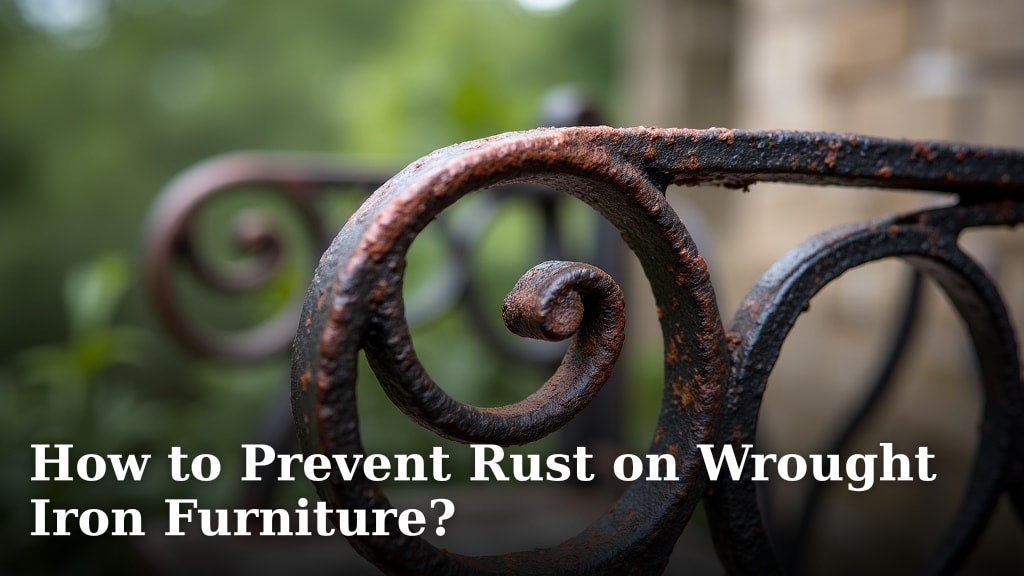
Metal pieces are sturdy but can be susceptible to rust, especially steel and wrought iron.
Aluminum is naturally rust-resistant but can oxidize, causing a dull finish.
| Metal Type | Common Issues | Care Tips |
|---|---|---|
| Aluminum | Oxidation (dullness), scratches | Wash with mild soap, use car wax for shine, touch up paint for scratches. |
| Steel | Rust, corrosion | Clean, dry thoroughly, apply rust-inhibiting primer, paint touch-ups. |
| Wrought Iron | Rust, chipping paint | Wire brush loose rust, prime with rust-resistant paint, repaint as needed. |
For rust spots, a wire brush can remove loose flakes before priming and repainting (metalworking resources).
Keeping metal furniture dry is your best defense against rust and water spots.
Wood Furniture (Teak, Cedar, Acacia)
Ah, the natural beauty of wood! Each type has unique needs to stay rich and vibrant.
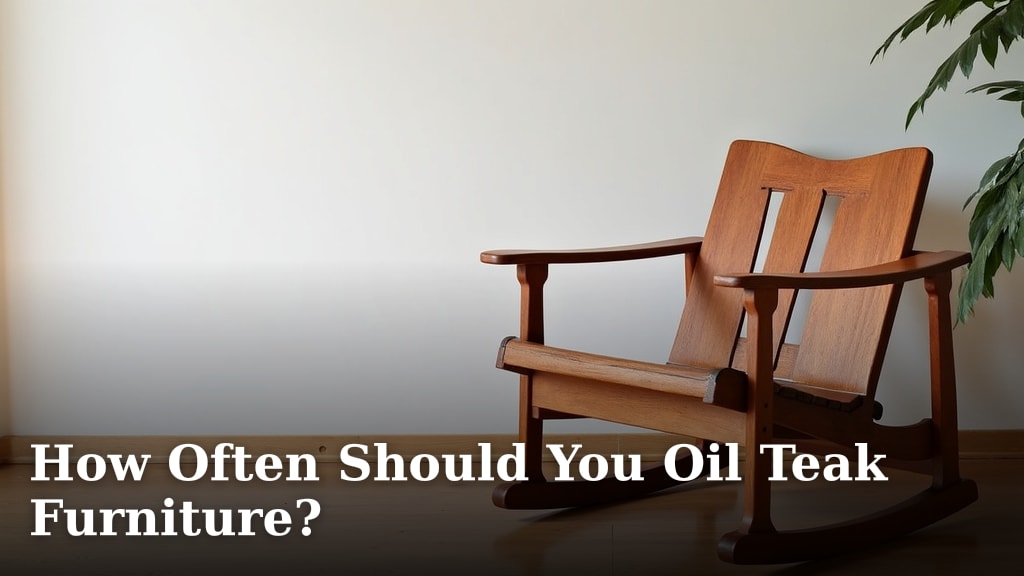
Many woods, like teak, can be left to weather to a lovely silvery-gray patina if that’s your preferred look.
If you prefer the original warm tone, you’ll need to apply a sealer or teak oil regularly (wood care specialists).
Clean wood with a soft brush and mild soapy water, rinsing well. Allow it to dry fully before applying any treatments.
Plastic and Resin Furniture
These are often the easiest to care for, requiring minimal fuss.
A simple wash with mild soap and water usually does the trick. For tougher stains, a diluted bleach solution can be used, but test a small area first.
Many experts say UV protectant sprays can help prevent fading and brittleness over time.
Fabric Cushions and Umbrellas
These soft touches make your patio comfy, but they’re also magnets for dirt, mold, and mildew.
Spot clean small stains immediately with a damp cloth and mild soap. Many cushion covers are removable and machine washable – check the care tag!
Always ensure cushions and umbrellas are completely dry before storing them, especially for long periods, to prevent mildew growth.
Protection is Key
Cleaning is essential, but protection is where you really future-proof your patio furniture.
Think of it as giving your furniture a superhero shield against the elements.
Covers for Every Season
When not in use, especially during rain, snow, or intense sun, covers are your furniture’s best friend.
Look for covers that are waterproof, breathable, and UV-resistant to protect against moisture and fading.
Many experts we found recommend investing in good quality covers over cheaper, less durable options.
Seasonal Storage Tips
When the colder months arrive, or if you live in an area with extreme weather, storing your furniture properly is crucial.
It shields items from harsh temperatures and prolonged exposure that can cause damage.
Checklist for Off-Season Storage:
- Clean all furniture thoroughly.
- Ensure everything is completely dry to prevent mold and mildew.
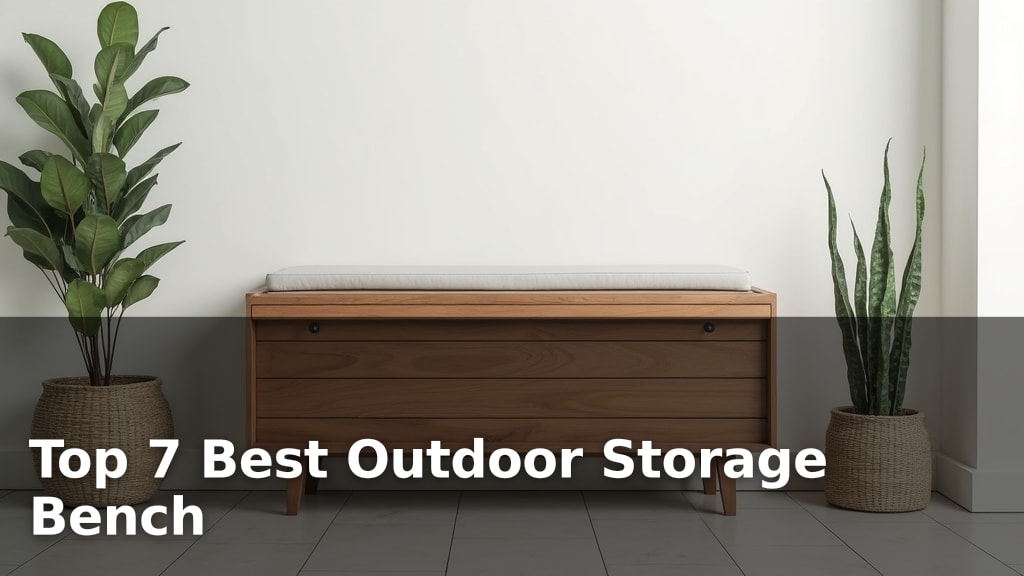
- Remove and wash all fabric cushions and store indoors.
- Disassemble large items if space is limited.
- Store in a dry, covered area like a garage, shed, or basement.
- Use breathable covers, even indoors, to protect from dust.
UV Protection
The sun, while lovely, can be a destructive force for patio furniture, causing colors to fade and materials to weaken.
Using covers or moving furniture into shaded areas when not in use can greatly reduce UV damage.
Some materials, like plastic and certain fabrics, can also benefit from UV-protective sprays.
Common Mistakes to Avoid
Sometimes, our efforts to clean can accidentally cause more harm than good.
Let’s make sure you’re not making these common, yet easily avoidable, blunders.
Avoid harsh chemicals. Bleach, ammonia, or abrasive cleaners can strip finishes, weaken materials, and cause discoloration.
Pressure washers can be tempting, but their intense force can damage wood grains, force water into crevices, and even rip fabric.
Always start with the mildest cleaning method and escalate only if absolutely necessary.
When to Call a Pro?
Sometimes, a DIY approach just isn’t enough, and that’s perfectly okay.
For extensive rust removal, complex repairs, or professional refinishing of wood or metal, a specialist can restore your furniture beautifully.
If you have antique or particularly valuable pieces, consulting an expert is always a wise choice.
Conclusion
Caring for your patio furniture truly isn’t a monumental task; it’s more about consistent, thoughtful attention.
With a little bit of regular cleaning, smart protection against the elements, and knowing the specifics for each material, you can keep your outdoor space inviting and beautiful for many seasons to come.
Your patio furniture works hard to provide comfort and style; giving it a little care in return is a win-win for everyone.
How often should I clean my patio furniture?
For general maintenance, a quick dust or wipe-down once a week is helpful. For a more thorough deep clean, we found that most experts recommend doing it at least once or twice a season, or more frequently if your furniture is exposed to heavy pollen or harsh weather.
Can I use bleach to clean my patio furniture?
You should generally avoid using bleach unless it’s specifically recommended for your furniture’s material and is heavily diluted. Bleach can strip finishes, fade colors, and weaken certain plastics or fabrics. Always test on an inconspicuous area first.
What’s the best way to prevent rust on metal patio furniture?
The best defense against rust is prevention. Keep metal furniture clean and dry, especially after rain. For steel or wrought iron, consider applying a rust-inhibiting primer and touch-up paint. Using waterproof covers also helps immensely.
Do I need to store my patio furniture indoors during winter?
While some sturdy materials can withstand winter conditions with proper covers, storing your patio furniture indoors, especially cushions and delicate items, is highly recommended. This protects it from extreme cold, snow, and ice, which can cause significant damage over time.
How can I fix faded patio cushions?
Fading is a common issue due to sun exposure. You can’t fully reverse fading, but you can try specialized fabric dyes for outdoor use or use fabric paint for minor touch-ups. Investing in UV-resistant fabric covers or storing cushions out of direct sunlight can prevent future fading.