How Long Does a Patio Furniture Set Last?
On this page (3 sections)
A patio furniture set can last anywhere from 3 to 15 years, depending on its quality and how well you care for it. You can expect better quality materials like aluminum or teak to last much longer than cheaper options.
How long your outdoor furniture endures truly depends on a few things. Factors like the climate you live in, how often you use it, and whether you store it properly all play a big role. Investing in durable materials often means you won’t need to replace it as frequently.
- Patio furniture lasts 3-15 years.
- Quality materials extend lifespan.
- Climate and care are key factors.
- Storage and usage matter for durability.
Let’s dive into the details and learn exactly what influences the lifespan of your patio furniture and how you can make it last.
Understanding the Durability of Patio Furniture Sets
You’re probably wondering what truly determines how long your patio furniture will last. It’s a great question! We found that a combination of factors, from the materials used to your daily habits, all play a role.
Think of it like buying a car. A well-built model, maintained regularly, will always outlast one that’s neglected, right? Your patio furniture isn’t much different.
The Core Influence: Material Quality
The type of material your outdoor furniture is made from is perhaps the biggest predictor of its lifespan. Some materials simply stand up better to the elements than others.
When you’re shopping, you’ll see a wide array of options. Each has its own strengths and weaknesses. Wicker furniture lifespan also varies with its material and care; see our guide to how long wicker lasts. Knowing these can help you make a smarter investment.
High-Durability Materials
These are the materials that will generally give you the longest service life. They are built to withstand tough outdoor conditions.
- Teak: This hardwood is a champion. It naturally resists rot, insects, and moisture. You can expect teak furniture to last 15+ years, often much longer with good care. It develops a beautiful silvery-gray patina over time.
- Aluminum: Lightweight and rust-proof, aluminum is a fantastic choice. It’s especially good for coastal areas where salt spray is an issue. Powder-coated aluminum can last for 10-15 years or more.
- Wrought Iron: Extremely heavy and durable, wrought iron can last for decades. It’s incredibly strong but does require regular maintenance to prevent rust. With proper care, it’s a lifetime investment.
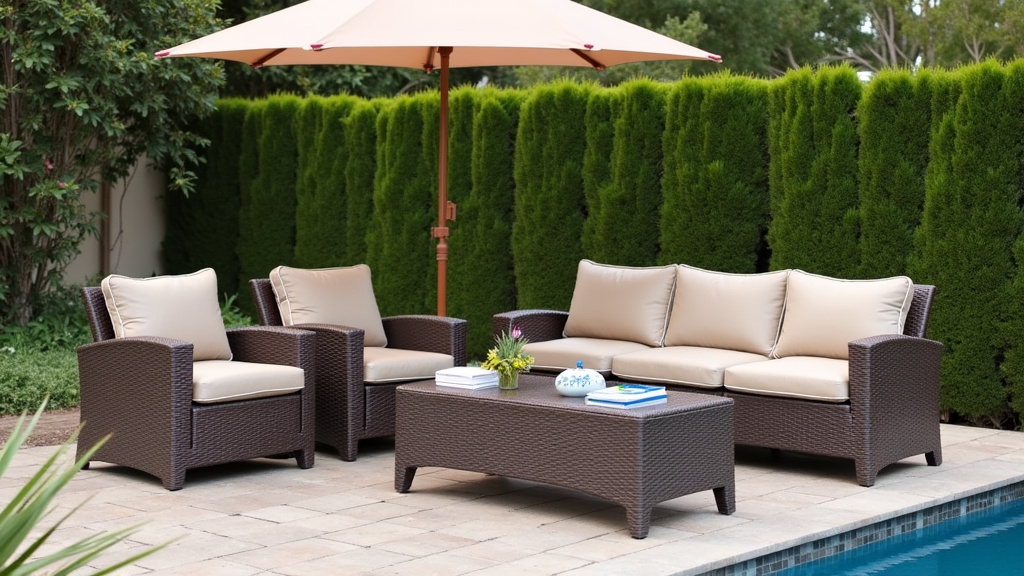
- High-Density Polyethylene (HDPE) Wicker: This isn’t your grandma’s plastic furniture. HDPE is a premium synthetic material designed to look like natural wicker. It’s incredibly resistant to UV rays, moisture, and fading, lasting 10-15 years easily.
Moderate-Durability Materials
These materials offer a good balance of cost and longevity. They require a bit more attention to reach their full potential.
- Steel: Strong and affordable, steel furniture can be a good option. However, it’s prone to rust if its protective coating is compromised. Stainless steel is better but also more expensive. You might get 5-10 years from well-maintained steel.
- Cedar and Redwood: These woods are naturally resistant to decay and insects, though not as much as teak. They are good choices for outdoor use. With regular sealing, they can last 7-12 years.
Lower-Durability Materials
These options are often more budget-friendly upfront but have a shorter lifespan. They demand consistent care to avoid quick deterioration.
- Pine and Other Softwoods: While charming, softwoods like pine are not ideal for direct outdoor exposure without significant treatment. They are susceptible to rot and insect damage. You might see 3-5 years, even with good care.
- Plastic/PVC: Very affordable and low maintenance, but plastic furniture often breaks down under UV light. It can become brittle and crack. Expect around 3-7 years from these pieces.
- Natural Wicker: Made from rattan or bamboo, natural wicker is beautiful but not meant for constant outdoor exposure. It can quickly rot and degrade if left in the rain or sun. It’s best used in covered areas or brought indoors. Lifespan is generally 3-5 years if not protected.
The Human Element: How You Use and Maintain It
Even the finest materials won’t last if they’re not cared for. Your habits make a huge difference in the longevity of your patio set.
Think about how you treat your indoor furniture. You clean it, right? Outdoor furniture needs similar, if not more, attention.
Regular Cleaning is Key
Dirt, dust, pollen, and even bird droppings can accumulate and break down finishes over time. A simple routine can prevent this.
We found that a quick wash with mild soap and water once a month, or even just wiping things down, can prevent buildup and staining. Always check the manufacturer’s cleaning instructions for specific materials (University of Florida Extension).
Protection from the Elements
The weather is your furniture’s biggest enemy. Sun, rain, snow, and extreme temperatures all contribute to wear and tear.
- UV Rays: Sunlight can fade colors, weaken fabrics, and make plastics brittle. Consider furniture with UV-resistant coatings or use covers.
- Moisture: Rain and humidity lead to rust, rot, and mildew. Ensure furniture drains well and doesn’t sit in puddles.
- Extreme Temperatures: Freezing and thawing cycles can cause materials to expand and contract, leading to cracks.
The Benefits of Patio Furniture Covers
Using covers is like giving your furniture a superhero shield. They protect against almost everything nature throws its way.
Even for durable materials, covers can double or triple the lifespan. They keep out moisture, dirt, and damaging UV rays. It’s a small investment with a huge payoff.
Proper Storage During Off-Season
If you live in a region with harsh winters or extreme heat, bringing your furniture indoors or storing it in a garage or shed is ideal. This practice is often cited as the most effective way to extend life (Consumer Reports).
If indoor storage isn’t an option, use high-quality, breathable outdoor covers. Ensure the furniture is clean and dry before covering it to prevent mold and mildew.
Environmental Factors That Impact Lifespan
Where you live matters a lot. Your local climate can be a friend or foe to your patio furniture.
A set that thrives in a mild, dry climate might quickly degrade in a humid, coastal area. It’s about matching the furniture to its environment.
Humidity and Rainfall
Areas with high humidity and frequent rain are breeding grounds for mold, mildew, and rot, especially for wood and certain fabrics.
If you’re in such a climate, prioritize materials like aluminum, HDPE wicker, or treated teak. Ensure cushions are made from quick-drying, mold-resistant fabrics.
Sun Exposure and UV Index
Intense, prolonged sun exposure is brutal on most materials. It causes fading, cracking, and weakening of structures.
In sunny regions, look for furniture with strong UV protection. Regular use of umbrellas or pergolas can also provide much-needed shade for your pieces.
Coastal vs. Inland Environments
Salt spray in coastal areas is highly corrosive. It can quickly rust metals and break down finishes.
If you’re near the ocean, aluminum or marine-grade stainless steel are your best bets. Avoid wrought iron or standard steel unless you’re committed to frequent rust prevention.
What About the Small Parts? Cushions and Hardware
Often, it’s not the main structure that fails first, but the accessories. Cushions and small hardware pieces take a beating.
Replacing these smaller components can breathe new life into an otherwise sturdy set.
- Cushions: Expect cushions to last 3-7 years, depending on fabric quality and exposure. Look for solution-dyed acrylic fabrics like Sunbrella, which are UV and mold resistant. Bring cushions inside when not in use.
- Hardware: Screws, bolts, and glides can rust or wear out. Periodically inspect and tighten hardware. Replace rusted fasteners with stainless steel ones.
Checklist for Maximizing Your Patio Furniture’s Lifespan
Want to make sure your outdoor oasis lasts as long as possible? Here’s a quick guide:
- Choose materials wisely, considering your climate.
- Clean your furniture regularly to prevent buildup.
- Invest in high-quality, breathable furniture covers.
- Store cushions indoors when not in use or during bad weather.
- Bring furniture indoors or to a sheltered area for the off-season.
- Inspect hardware and replace rusty parts as needed.
| Material Type | Average Lifespan (Years) | Key Maintenance Tips |
|---|---|---|
| Teak | 15+ | Occasional cleaning, optional oiling to maintain color. |
| Aluminum | 10-15+ | Wipe clean, touch up powder coat if scratched. |
| Wrought Iron | 20+ | Regular cleaning, inspect for rust, re-paint as needed. |
| HDPE Wicker | 10-15 | Hose down, mild soap, avoid harsh chemicals. |
| Stainless Steel | 10-15 | Clean to prevent surface rust, especially in coastal areas. |
| Cedar/Redwood | 7-12 | Regular sealing/staining, clean off debris. |
| Plastic/PVC | 3-7 | Wipe clean, avoid prolonged direct sun to prevent brittleness. |
| Pine/Softwood | 3-5 | Requires consistent sealing/painting, protect from moisture. |
| Natural Wicker | 3-5 | Keep dry, use in covered areas, avoid direct sun/rain. |
Conclusion
Extending the life of your patio furniture is absolutely within your control. You’ve seen that choosing the right materials for your climate is essential, but so is consistent care. Simple steps like regular cleaning, using covers, and proper off-season storage can dramatically increase longevity.
We found that a little effort goes a long way in protecting your investment. By following these guidelines, you can ensure your outdoor oasis remains beautiful and functional for many years. Start implementing these tips today to enjoy your furniture longer!
Frequently Asked Questions
Is it worth buying expensive patio furniture?
Our research shows that higher-quality, often more expensive, patio furniture typically uses more durable materials like teak or aluminum. This means it will last significantly longer and require less frequent replacement, offering better long-term value.
How often should I clean my outdoor furniture?
You should aim for a light cleaning with mild soap and water about once a month during the seasons you use it most. For a deeper clean or after heavy use, a thorough wash a few times a year will prevent buildup and maintain its appearance.
Can I leave my patio furniture out in the rain?