What Is the Best Wood for an Outdoor Bench?
Teak is a strong choice for an outdoor bench if you want a naturally durable hardwood and can manage its higher cost. Cedar and redwood are lighter alternatives, while pressure-treated pine costs less but needs more upkeep.
On this page (8 sections)
- What is the best wood for an outdoor bench?
- Is teak the best wood for a bench that stays outside?
- Are cedar and redwood good choices for outdoor benches?
- Is pressure-treated pine suitable for a garden bench?
- How should you protect a wood bench from rain and sun?
- How do you choose between wood species?
- What should you check before buying a wooden bench?
- Which wood should you choose for an outdoor bench?
Teak is a strong choice for an outdoor bench if you want a naturally durable hardwood and can manage its higher cost. Cedar and redwood are lighter alternatives, while pressure-treated pine costs less but needs more upkeep.
The best wood to use for an outdoor bench depends on where it will sit, how much weather it will face and how often you want to maintain it. Plan for water to drain away from the seat and joints, since trapped moisture can shorten the life of any wood.
If you're still deciding whether wood fits your setup, read Does Wood Patio Furniture Last?. For complete bench options beyond wood, see our Best Outdoor Bench guide.
What is the best wood for an outdoor bench?
Teak is a good all-around choice for exposed outdoor seating because it is a dense hardwood commonly selected for weather resistance. Cedar and redwood can suit buyers who want lighter wood, while pressure-treated pine offers a lower-cost route with more attention to upkeep.
Wood species alone won't determine how long a bench lasts. Check the design, joinery, drainage, finish and whether the bench sits in sun, rain or a sheltered spot.
| Wood | Why people choose it | Main trade-off |
|---|---|---|
| Teak | Dense hardwood suited to outdoor furniture | Higher initial cost; can weather to a gray tone |
| Cedar | Lightweight and naturally suited to outdoor use | Softer wood can dent; color changes outdoors |
| Redwood | Attractive appearance and outdoor durability | Regional availability and cost vary |
| Pressure-treated pine | Lower-cost and widely available | Can be heavier; needs suitable fasteners and finish |
| Acacia | Hardwood option often used for patio furniture | Needs routine care and protection from standing water |
These are broad material comparisons, not a guarantee for every bench. Lumber quality, construction and local weather all affect performance.
Which outdoor bench wood fits your priorities?
Choose teak if the bench will stay outside often and you value durability over low upfront cost. Choose cedar or redwood if you prefer a lighter wood or a particular natural look, and choose treated pine when budget is the main constraint.
Compare wood furniture in context with our guide to the best wood for a picnic table. Tables and benches face similar moisture and sun exposure, though a bench's joints and seat slats need their own attention.
Is teak the best wood for a bench that stays outside?
Teak is often a good fit for a bench that stays outdoors because it is a dense hardwood used for outdoor furniture. It can gradually lose its golden color and turn gray when exposed to sunlight, so decide whether you like that weathered look or plan to maintain the finish.
The Star brite oil is intended for teak and other fine woods, including acacia and Amazonia hardwood. It adds a warm golden hue, and the brand says its formula offers UV protection; the wood should be clean before application for optimal results.
Oil is one maintenance option, not a requirement for every teak bench. Follow the instructions for the specific wood and finish, and test any product on a small area first.
Teak's drawbacks are its cost and weight compared with softer woods. If you choose it, inspect the bench's connections and seat supports, because durable material cannot make weak joinery sound.
Are cedar and redwood good choices for outdoor benches?
Cedar and redwood can both work well outdoors when the bench is built to shed water and cared for over time. They are softer than teak, so they may show dents and scratches more readily.
Cedar is relatively light, which helps if you expect to move the bench between a porch and garden. Redwood is valued for its appearance, but local supply and price can vary, so compare the actual boards and construction before deciding.
Both woods change color outdoors. A finish can help retain their original appearance, but it will need maintenance as sun and rain wear it down.
Choose cedar for easier handling, especially for a movable bench. Consider redwood when you prefer its color and can find lumber that fits your budget.
Is pressure-treated pine suitable for a garden bench?
Pressure-treated pine can be a practical option when the bench budget is limited and you are comfortable with regular inspection. Use lumber intended for outdoor exposure, choose compatible fasteners and follow the treatment guidance before applying a finish.
Pine is softer than teak, so it can dent, and treatment does not prevent every issue caused by poor drainage or neglected joints. Keep the feet from sitting in wet soil, and check for loose hardware, cracks and splinters as part of seasonal care.
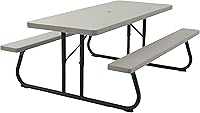
For a picnic table that includes bench seating, a non-wood option may be easier to maintain. The LIFETIME 6-Foot Folding Picnic Table uses UV-protected HDPE for its tabletop and benches, with a powder-coated steel frame; it folds flat for storage.
This table is not a standalone bench, but it may suit a patio where dining space and attached seating solve the same need. Compare its dimensions and folding setup with your available storage area.
How should you protect a wood bench from rain and sun?
Protect a wood bench by reducing standing water, keeping the feet off damp ground and maintaining the finish if you want to preserve its color. A sheltered location can also reduce direct rain and sun exposure.
Leave space beneath and around the bench so air can move and water can drain. Clear leaves and dirt from seat gaps, and avoid placing the legs in soil or puddles.
A suitable oil, sealer or exterior finish can help protect the surface, but match it to the wood and follow its preparation and reapplication directions. For a step-by-step approach, see How To Treat Wood Patio Furniture?.
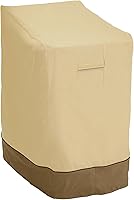
When the bench is not in use, a cover can limit exposure to rain and debris. The Classic Accessories Veranda cover is sized for 6 stackable patio chairs, so check your bench's dimensions and shape before considering any cover.
How do you choose between wood species?
Choose the material that fits the bench's location and the care you can keep up with. A sheltered porch gives you more flexibility than an unsheltered garden, where rain and sun reach the bench directly.
Use this decision guide:
- Pick teak if durability is the priority and the higher cost works for you.
- Pick cedar if you want lighter seating that is easier to move.
- Pick redwood if its look suits your space and local supply makes sense.
- Pick pressure-treated pine if upfront cost matters most and you'll inspect and maintain it.
- Consider another material if you want to avoid wood finishing and upkeep.
Then compare the bench construction. Look for slats with small gaps that let water pass through, sturdy connections and feet that can sit on a dry, level surface.
Our best wood for a porch swing guide compares similar outdoor wood choices for a piece that hangs from supports and may face added movement.
What should you check before buying a wooden bench?
Check the bench's size, construction and placement before choosing by wood species alone. A bench that fits the patio and drains well can be a better buy than a more durable wood in a poor design.
Measure the length and depth available, plus the path the bench must pass through. Check the seat height and depth for comfortable use, and confirm the bench's weight capacity from its manufacturer before purchase.
Inspect how the seat slats attach to the frame and whether the joints use outdoor-suitable hardware. Ask what finish is already on the bench, since applying a new oil or coating over an incompatible finish can lead to poor results.
For more styles and materials, compare our Best Wicker Bench guide alongside wood options. Wicker can offer a different look and maintenance routine, but confirm the frame and intended outdoor use.
Which wood should you choose for an outdoor bench?
Choose teak for a frequently exposed bench when durability matters most, cedar or redwood for a lighter natural-wood option, and pressure-treated pine when budget leads your decision. Whichever you choose, prioritize drainage, solid joinery and upkeep that fits your routine.
If preserving a golden teak finish is your goal, use a suitable wood oil and follow its directions. If you want to spend less time caring for wood, compare non-wood seating or a cover that fits your bench.
Frequently asked questions
What is the best wood for an outdoor bench?
Teak is a strong choice when you want a durable hardwood that can handle outdoor exposure. Cedar and redwood are lighter options, while pressure-treated pine can suit a tighter budget if you are prepared to inspect and maintain it.
Climate, drainage and upkeep matter as much as species.
Is teak or cedar better for an outdoor bench?
Teak is a dense hardwood that is often chosen for long outdoor service, while cedar is lighter and easier to move. Choose teak if durability is your priority and the cost fits; choose cedar if you want a lighter bench and accept regular care to preserve its appearance.
Does an outdoor wood bench need to be sealed?
A finish is not always needed to keep a suitable wood bench outdoors, but it can help preserve color and reduce weather exposure. Follow the finish maker's directions for the wood species, prepare dirty or weathered surfaces, and maintain the coating as it wears.
Can pressure-treated wood be used for a garden bench?
Pressure-treated wood can work for an outdoor bench because treatment helps protect the lumber from decay and insects. Check that the lumber is intended for the planned use, let it dry as directed before finishing, and use suitable fasteners for treated wood.
How do you protect a wood bench from rain?
Reduce standing water first by placing the bench on a drained surface and keeping it clear of soil and wet leaves. A finish made for outdoor wood can add protection, but it needs upkeep; a fitted cover can also limit direct exposure when the bench is not in use.