How To Prevent Rust On Patio Furniture?
On this page (8 sections)
To prevent rust on patio furniture, regularly clean, dry thoroughly, and apply protective coatings like wax or rust-inhibiting paint.
Storing your furniture in a dry, covered area during off-seasons significantly reduces moisture exposure, the primary cause of rust.
Here’s what you need to know quickly about keeping your patio furniture rust-free:
- Choose rust-resistant materials like aluminum or treated steel.
- Clean your furniture often and always dry it completely.
- Apply protective finishes such as wax or rust-inhibiting paint.
- Use furniture covers or store items indoors during bad weather or off-season.
- Address any existing rust spots immediately to stop spread.
How To Prevent Rust On Patio Furniture?
You can effectively prevent rust on patio furniture by choosing appropriate materials, maintaining regular cleaning, and applying protective barriers to ward off moisture.
Understanding Rust: Why It Happens
Rust is like a sneaky thief, slowly eroding your metal patio pieces. It’s a natural process, but one we can certainly fight.
You might wonder why your beautiful outdoor furniture starts to show those reddish-brown spots. It boils down to a simple chemical reaction.
The Science of Rust
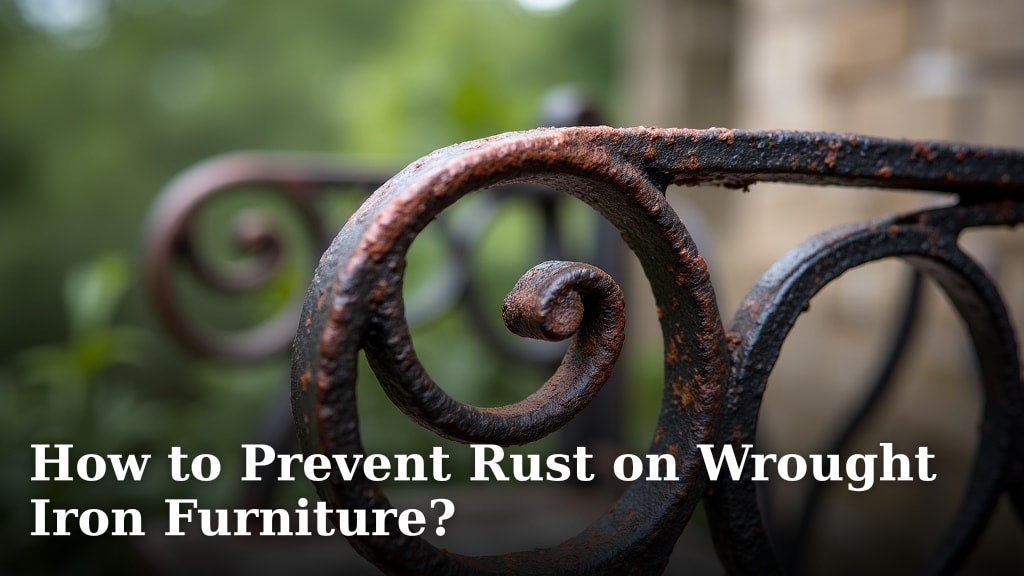
Rust, scientifically known as iron oxide, forms when iron or its alloys (like steel) are exposed to both oxygen and moisture. It’s a natural process called oxidation.
Water, especially rainwater, carries oxygen. When these elements meet bare metal, a chemical reaction occurs, weakening the material over time (NIH).
Common Culprits on Your Patio
Your patio environment is a perfect storm for rust. Rain, morning dew, and even high humidity all play a part.
Coastal areas, with their salty air, are particularly harsh on metal furniture. Salt greatly speeds up the rusting process.
Choosing Rust-Resistant Patio Furniture
The best defense starts before you even buy. Selecting the right materials can save you countless hours of maintenance later.
We found that certain materials naturally resist rust better than others, offering you more peace of mind.
Top Materials That Defy Rust
Aluminum is a champion against rust because it does not contain iron. It simply cannot rust, though it can oxidize differently.
Wrought iron and steel are durable, but they require more protection. Many experts say they should always have a powder coating or paint.
Here’s a quick comparison of common patio furniture materials and their rust resistance:
| Material | Natural Rust Resistance | Maintenance Needs |
|---|---|---|
| Aluminum | Excellent (no iron) | Low |
| Stainless Steel | Very Good (chromium layer) | Medium |
| Powder-Coated Steel | Good (if coating is intact) | Medium to High |
| Wrought Iron | Low (requires sealing) | High |
What to Look for When Buying
Always inspect the finish. Look for a thick, even powder coating, especially on steel items.
Consider furniture with plastic or rubber feet. These prevent metal from sitting directly in puddles or damp ground, which can start rust from the bottom up.
Essential Cleaning and Maintenance to Stop Rust
Regular care is your first line of attack against rust. Think of it like brushing your teeth for your furniture.
A little effort goes a long way in preserving the beauty and longevity of your patio investment.
Regular Cleaning Habits
Wash your patio furniture periodically with mild soap and water. This removes dirt and grime that can trap moisture.
Many guidelines point to a soft brush or cloth for cleaning to avoid scratching protective layers (Consumer Reports).
Drying is Key
After cleaning or a rain shower, make sure your furniture dries completely. Water is rust’s best friend.
Use a dry towel or allow it to air dry fully in the sun. Don’t let puddles sit on surfaces or in crevices.
Applying Protective Coatings
Think of protective coatings as an invisible shield for your furniture. They create a barrier between the metal and the elements.
These coatings are a crucial step in giving your furniture a fighting chance against rust.
The Power of Wax and Sealants
Furniture wax, car wax, or clear sealants can be applied to metal surfaces. They repel water, much like wax on a car.
Apply these products after cleaning and drying. They need reapplication every few months, especially before rainy seasons.
Rust-Inhibiting Paints and Primers
For items made of steel or wrought iron, a good quality rust-inhibiting primer and paint are invaluable. This is especially true for items that have been outside for a while.
Make sure to clean and lightly sand any existing rust before applying. This helps the paint stick better and stops rust from spreading underneath.
Smart Storage Solutions for Your Furniture
When not in use, especially during harsh weather, protecting your furniture is paramount. You wouldn’t leave your car out in a hail storm, would you?
Proper storage is a game-changer for extending the life of your patio set.
Using Furniture Covers
Invest in high-quality, breathable furniture covers. These protect from rain, snow, and UV rays.
Ensure the covers fit well and allow for some airflow to prevent moisture from getting trapped underneath.
Seasonal Storage Tips
For colder or very wet seasons, storing furniture indoors is ideal. Garages, sheds, or basements work well.
If indoor storage isn’t possible, group your furniture and cover it securely. Some people even elevate furniture slightly to prevent moisture wicking from the ground.
Tackling Existing Rust Spots
Even with the best prevention, rust can sometimes appear. Don’t panic! Early intervention is key.
Think of it like a small leak; the sooner you fix it, the less damage it causes.
Early Detection Is Crucial
Regularly inspect your furniture for any signs of rust. Pay attention to joints, edges, and undersides.
A small rust spot is much easier to deal with than a large, spreading patch.
Gentle Rust Removal Methods
For minor rust, you can use a wire brush or sandpaper (fine grit) to gently remove it. Always work carefully to avoid scratching the surrounding finish.
After removal, clean the area, dry it, and immediately apply a rust-inhibiting primer and paint or a protective sealant (like car wax) to prevent it from returning.
Here’s a quick checklist to keep your patio furniture rust-free:
- Regularly wipe down furniture after rain.
- Clean surfaces with mild soap and water every few weeks.
- Apply a fresh coat of wax or sealant periodically.
- Inspect for rust spots during seasonal changes.
- Cover furniture during bad weather or extended periods of non-use.
- Store items indoors for the winter, if possible.
Conclusion
Keeping your patio furniture rust-free doesn’t have to be a monumental task. With a little foresight and consistent effort, you can enjoy your outdoor space for many seasons to come.
From choosing the right materials to regular cleaning and strategic protection, each step contributes to the longevity and beauty of your furniture. Take good care of your outdoor sanctuary, and it will take good care of you.
How often should I clean my patio furniture to prevent rust?
Aim to clean your patio furniture with mild soap and water every two to four weeks, especially during peak outdoor season. After cleaning, always ensure it is completely dry to avoid trapping moisture.
Can clear coat spray paint help prevent rust?
Yes, a clear coat spray paint can act as a protective barrier against rust. It seals the metal surface, protecting it from oxygen and moisture. For best results, choose a product specifically designed for outdoor use and apply it evenly after proper surface preparation.
Is it better to store patio furniture indoors or just cover it for winter?
Storing patio furniture indoors during winter is generally better as it provides the most protection from extreme temperatures, moisture, and potential damage. If indoor storage isn’t an option, high-quality, breathable covers can offer good protection outdoors.
What if my patio furniture already has rust? Can I still save it?
Absolutely! For minor rust, you can gently sand or brush it off, then clean the area thoroughly. After drying, apply a rust-inhibiting primer and outdoor-grade paint to seal and protect the spot, preventing further damage.
Do all types of metal patio furniture rust?
No, not all metal patio furniture rusts. Aluminum furniture, for instance, does not contain iron and therefore cannot rust. Stainless steel is highly resistant to rust due to its chromium content, while wrought iron and regular steel are much more prone to it and require protective coatings.