What Is the Best Wood for a Porch Swing?
Teak is a strong choice for a porch swing exposed to rain and sun, while cedar suits buyers who want lighter, naturally rot-resistant lumber. Choose a stable, straight-grained wood, then protect it and inspect the swing regularly.
On this page (7 sections)
- What is the best wood for a porch swing outdoors?
- Which woods are worth considering besides teak and cedar?
- How should you choose lumber for strength?
- How do climate and upkeep change the choice?
- How should you finish and maintain a wooden swing?
- How do you hang a porch swing safely?
- Which wood should you choose for your porch swing?
Teak is a strong choice for a porch swing that stays outdoors, while cedar is a lighter option with natural resistance to decay. The best wood for your swing depends on exposure, budget, how much maintenance you want, and whether the lumber is suitable for a load-bearing seat.
Wood type alone does not make a swing safe. Use sound lumber, strong joinery and rated hanging hardware, and attach the swing to a structure designed to carry its load.
If you're weighing wood furniture for several outdoor uses, start with does wood patio furniture last. This guide focuses on choosing lumber for the swing itself.
What is the best wood for a porch swing outdoors?
Teak is a good fit for maximum weather exposure, and cedar is a practical choice when lower weight and easier handling matter. Both still need sound construction and care suited to your climate.
| Wood | Why people choose it | Main trade-off |
|---|---|---|
| Teak | Naturally durable hardwood with a rich grain | Often costly and heavy |
| Cedar | Light, easy to work, naturally resistant to decay | Softer, so it can dent or wear |
| Cypress | Naturally durable and workable | Availability varies by region |
| White oak | Dense, strong hardwood with good outdoor potential when maintained | Heavy and harder to work |
| Redwood | Attractive, naturally decay-resistant lumber | Cost and local supply can limit it |
| Pressure-treated pine | Often accessible and suited to outdoor construction | Can be heavy, wet or prone to checking as it dries |
These are broad material traits, not guarantees for every board. Lumber grade, drying, grain direction, joinery and exposure all affect how a finished swing performs.
Is teak a good wood for a porch swing?
Teak suits a swing that sees frequent rain or sun and where the budget allows for a durable hardwood. It contains natural oils and has a reputation for outdoor durability, but a teak swing still needs strong joinery and periodic inspection.
Unfinished teak can weather toward a silvery gray. If you prefer a warmer brown-gold appearance, use a finish intended for outdoor teak and follow its preparation and reapplication directions.
The oil is also described as suitable for acacia and Amazonia hardwood. For general finish choices and preparation, see how to treat wood patio furniture.
Is cedar strong enough for a porch swing?
Cedar can work for a porch swing when the boards are appropriately sized, sound and joined for the intended load. It is lighter and easier to handle than many dense hardwoods, but its softness makes it more vulnerable to dents and surface wear.
Check for knots, splits and weak grain near fasteners or joints. Avoid placing a knot where a board carries the most stress, and use a design with adequate thickness and support.
Cedar's natural resistance to decay can help outdoors, but it does not eliminate maintenance. Keep the swing drained, allow it to dry between wet periods, and protect exposed end grain as the finish instructions recommend.
Which woods are worth considering besides teak and cedar?
Cypress, white oak, redwood and pressure-treated pine can also suit outdoor swing projects. Their value depends on local supply, board quality, weight and the care you are prepared to provide.
Cypress is often selected for outdoor furniture because of its natural durability and workability. White oak is strong and dense, but its weight can make both construction and hanging more demanding.
Redwood can be a good outdoor option where suitable lumber is available, though it may be expensive. Pressure-treated pine is common and accessible, but let it dry as needed and follow the treatment label before finishing or handling it.
For another seat project, compare the best wood for an outdoor bench. A bench and a hanging swing share some material choices, but a swing also puts repeated movement and load on its suspension points.
How should you choose lumber for strength?
Choose straight, sound boards with no splits or large defects in the areas that carry weight. The swing's dimensions, joints and support design matter as much as the species.
Look along each board for twisting, bowing, checks and loose knots. Reject pieces with damage around planned screw or bolt locations, since fasteners can worsen a split.
Use lumber dimensions called for by a proven plan or a qualified builder. Do not assume a board is safe because it is thick or made from a durable species.
Select corrosion-resistant hardware intended for outdoor use, and match the fasteners to the wood and design. Different species and treatments may need specific fastener materials to reduce corrosion or staining.
How do climate and upkeep change the choice?
Use your local exposure and maintenance habits to narrow the wood choice. Covered porches protect lumber from direct rain and sun, while open porches need more weather resistance and regular checks.
In a wet climate, focus on drainage, protected end grain and surfaces that dry quickly. In strong sun, expect color changes and check whether the finish needs refreshing.
If you want the wood to keep its original color, plan for more frequent care. If you are comfortable with natural weathering, select a durable species and accept a gradual change in appearance.
A cover can reduce exposure when the swing is not in use. Make sure the cover fits without trapping moisture, and remove it after wet weather so the wood can dry.
How should you finish and maintain a wooden swing?
Keep water from collecting on the seat, joints and end grain, and inspect the finish and hardware on a regular schedule. Clean the surface gently and follow the finish maker's directions for preparation and recoating.
Check the swing after storms and at the start of each outdoor season. Look for loose fasteners, cracks, soft spots, rust, excessive movement and frayed or damaged suspension material.
If the finish is peeling or the wood is gray and stained, clean and prepare it before applying a new coating. Teak oil is one option for teak and other fine hardwoods; it is not a substitute for sound lumber or structural repairs.
For more outdoor table lumber comparisons, see best wood for a picnic table. The best finish and maintenance plan may differ by species and by how much weather the furniture sees.
How do you hang a porch swing safely?
Attach the swing only to a structural support that can carry the swing and its occupants, using hardware made for that purpose. A porch ceiling board or decorative trim may not be a safe anchor.
Follow a swing plan or get qualified help to confirm the support, fasteners and spacing. Inspect the mounting points and suspension hardware before every season and after any unusual movement or impact.
Once you have chosen a swing, read how to hang a porch swing for placement and attachment considerations. You can also compare styles and materials in our best porch swing guide.
Which wood should you choose for your porch swing?
Choose teak for a premium swing exposed to the weather, cedar for a lighter build, and another locally available outdoor wood when it better fits your plan and upkeep. Put lumber quality, sound joinery and safe support ahead of appearance.
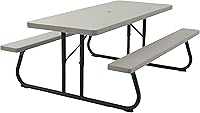
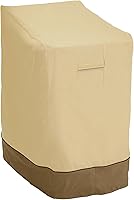
If you want a teak finish, Star brite Premium Golden Teak Oil is one option formulated for teak and other fine woods. For basic outdoor seating or dining instead of a swing, the LIFETIME 6‑Foot Folding Picnic Table has a UV-protected HDPE top and powder-coated steel frame, while Classic Accessories Veranda Water-Resistant 25.5 Inch Stackable is a cover for stacked patio chairs.