What Is the Best Material for Outdoor Kitchen Cabinets?
Stainless steel is the best material for outdoor kitchen cabinets in exposed, wet areas because it does not swell or rot, though it can heat up and show fingerprints. For a warmer look, choose marine-grade polymer or properly maintained teak, and match every cabinet to its actual exposure.
On this page (8 sections)
- What is the best material for outdoor kitchen cabinets?
- How do stainless steel cabinets hold up outdoors?
- Is HDPE a good material for outdoor cabinets?
- Which wood is best for outdoor kitchen cabinets?
- Does masonry make sense for an outdoor kitchen?
- What should you check before choosing cabinet material?
- How can you protect cabinets from rain and sun?
- Which outdoor kitchen cabinet material should you choose?
Stainless steel is the best material for outdoor kitchen cabinets in exposed, wet areas because it does not swell or rot, though it can heat up and show fingerprints. For a warmer look, choose marine-grade polymer or properly maintained teak, and match every cabinet to its actual exposure.
The right choice depends on rain, sun, salt air, cooking heat and how much upkeep you can handle. A cabinet under a deep roof has different needs from one that faces driving rain all year.
Compare materials by durability, maintenance, cost and appearance. For a broader look at furniture and frame choices, see What Is the Best Material for Patio Furniture?.
What is the best material for outdoor kitchen cabinets?
Stainless steel is the strongest all-around choice for an exposed outdoor kitchen, especially when you select a corrosion-resistant grade and keep it clean. Marine-grade polymer is a low-maintenance alternative, while masonry suits permanent kitchens built into a patio.
No material is maintenance free. Stainless steel needs cleaning, polymer can fade or scratch, masonry needs sound joints, and wood needs finish care.
| Material | Best fit | Main trade-off |
|---|---|---|
| Stainless steel | Exposed kitchens and modern designs | Can heat in direct sun and show smudges |
| Marine-grade polymer or HDPE | Low-upkeep storage near moisture | May flex, fade or scratch depending on construction |
| Aluminum | Lightweight cabinet bodies | Can dent and needs suitable hardware and finish |
| Masonry or concrete | Permanent built-in kitchens | Heavy, fixed in place and dependent on sound construction |
| Teak or ipe | Natural wood appearance | Higher cost and ongoing finish or weathering choices |
| Cedar or redwood | Sheltered kitchens with wood styling | Needs sealing and protection from prolonged wetness |
Material names alone do not guarantee performance. Look at cabinet construction, door seals, hinges, fasteners and drainage, because those parts also face outdoor conditions.
How do stainless steel cabinets hold up outdoors?
Stainless steel is a practical choice when rain, humidity and frequent cleaning are part of the setting. It does not rot or swell like wood, and a smooth surface is easy to wipe down.
Ask about the steel grade and finish before buying. Coastal air and pool chemicals can be especially hard on metal, so a cabinet suited to a sheltered inland patio may not be right beside the ocean.
Direct sun can make metal surfaces hot, while grease and fingerprints may be more visible on some finishes. A roof or shade structure can reduce heat and weather exposure.
Check that hinges, handles and fasteners are also suitable for outdoor use. A cabinet body can last while its hardware corrodes or binds.
Is HDPE a good material for outdoor cabinets?
HDPE and marine-grade polymer work well when you want a cabinet that tolerates moisture with little finish upkeep. These plastics do not rust, and they are easy to wash.
Construction quality matters. Thicker panels and well-supported doors are less likely to flex under load, so check how shelves attach and whether the doors stay aligned.
Plastic can scratch, and prolonged sun may affect color over time. Ask about UV resistance and the maker's care guidance for the exact cabinet you are considering.
HDPE also appears in outdoor furniture. The LIFETIME 6‑Foot Folding Picnic Table uses UV-protected HDPE for its table and benches, with a powder-coated steel frame; it can offer extra prep or serving space, but it is not a kitchen cabinet.
Which wood is best for outdoor kitchen cabinets?
Teak and ipe are strong wood choices for outdoor cabinets when you want natural grain and accept regular care. For another outdoor wood project, compare wood for outdoor benches.
Both are dense hardwoods, but they still need good joinery, drainage and protection from standing water.
Teak contains natural oils and can weather to a gray color if left unfinished. Ipe is very dense and hard, which can make cutting and installation more demanding.
Cedar and redwood are lighter options that can suit covered kitchens. For another outdoor seating project, see wood for porch swings.
They are softer than dense hardwoods, so protect them from knocks and keep exposed edges sealed.
For any wood, pay close attention to end grain, screw holes, door edges and cabinet tops. Those spots can take on water before a broad, flat panel does.
A wood finish can help maintain color and shed water, but it needs upkeep. Does Wood Patio Furniture Last? explains the role of species, finish and exposure in outdoor wood life.
Star brite Premium Golden Teak Oil is intended for teak and other fine woods, including acacia and Amazonia hardwood, and offers a golden finish with UV protection. {{product B00004YO4S | A teak oil for outdoor wood surfaces when you want to maintain a warm finish and follow a regular care routine.}}
Use a coating only if it suits the cabinet's wood and existing finish. Clean and prepare the surface as directed, and test a small area before treating a large visible panel.
Does masonry make sense for an outdoor kitchen?
Masonry or concrete is a good fit for a permanent outdoor kitchen that needs a built-in look. It handles weather without wood panels, but it is heavy, fixed and depends on careful construction.
The cabinet opening still needs doors and hardware suited to outdoor use. Moisture can enter through gaps, and poor drainage can affect stored items even when the surrounding structure is masonry.
Plan the layout, utilities and counter height before construction. A masonry base is difficult to move or resize once it is built.
What should you check before choosing cabinet material?
Choose cabinet material after you assess exposure, installation and upkeep. A sheltered patio can support more material choices than a kitchen that faces rain, salt spray and full sun.
Use this checklist:
- Map the exposure. Note direct sun, prevailing rain, roof coverage, nearby sprinklers and salt air.
- Check the structure. Confirm the base, counter and wall can support the cabinet's weight.
- Inspect the details. Look at hinges, fasteners, seams, vents and drainage.
- Set an upkeep limit. Decide whether you will clean metal, wash polymer or renew a wood finish.
- Plan storage. Keep food, paper goods and tools protected from water and pests.
- Confirm heat clearances. Follow the grill and cabinet makers' distance requirements around hot appliances.
Material should match its job. A cabinet beside a grill needs suitable heat clearances, while a sink base needs good drainage and protection from leaks.
How can you protect cabinets from rain and sun?
A roof, good drainage and a fitted cover reduce weather exposure for every cabinet material. Covers help when the kitchen is idle, but they should fit securely and allow moisture to escape.
The Classic Accessories Veranda Water-Resistant 25.5 Inch Stackable is a cover for 6 stackable patio chairs, not an outdoor kitchen cabinet cover. Its water-resistant backing, air vents and straps illustrate useful cover features to look for when choosing a cover made for your cabinet's size and shape. {{product B000HCR89M | A water-resistant chair cover, useful as a reference for features such as vents and securing straps when shopping for a properly sized cabinet cover.}}
Do not assume a chair cover will fit a cabinet. Measure the cabinet and select a cover designed for its dimensions, shape and appliance clearances.
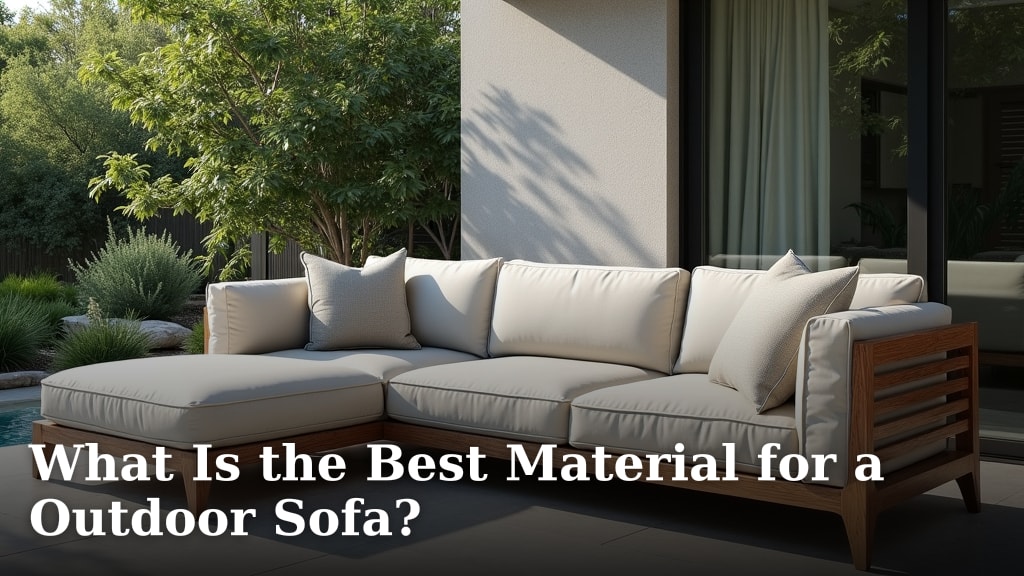
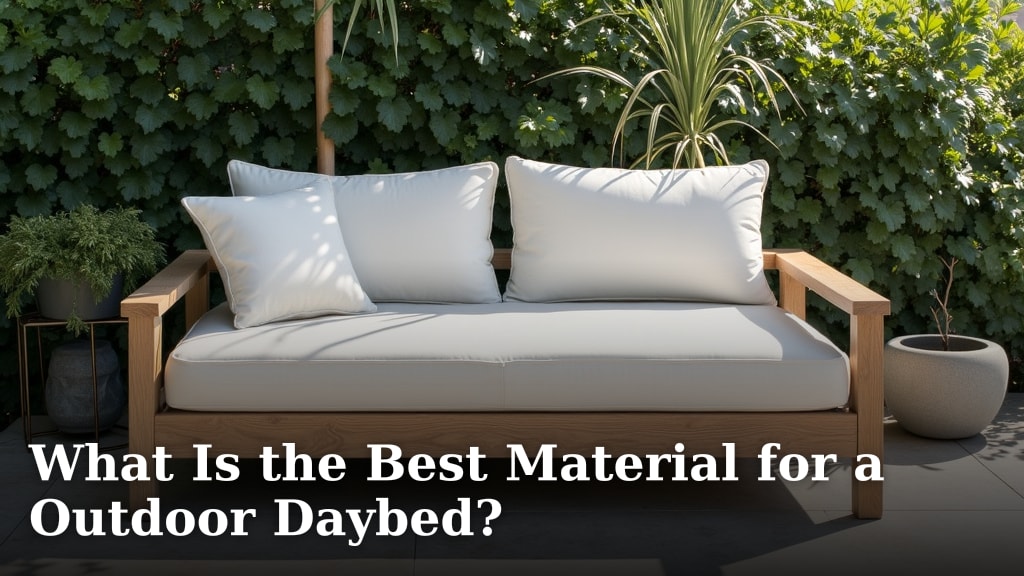
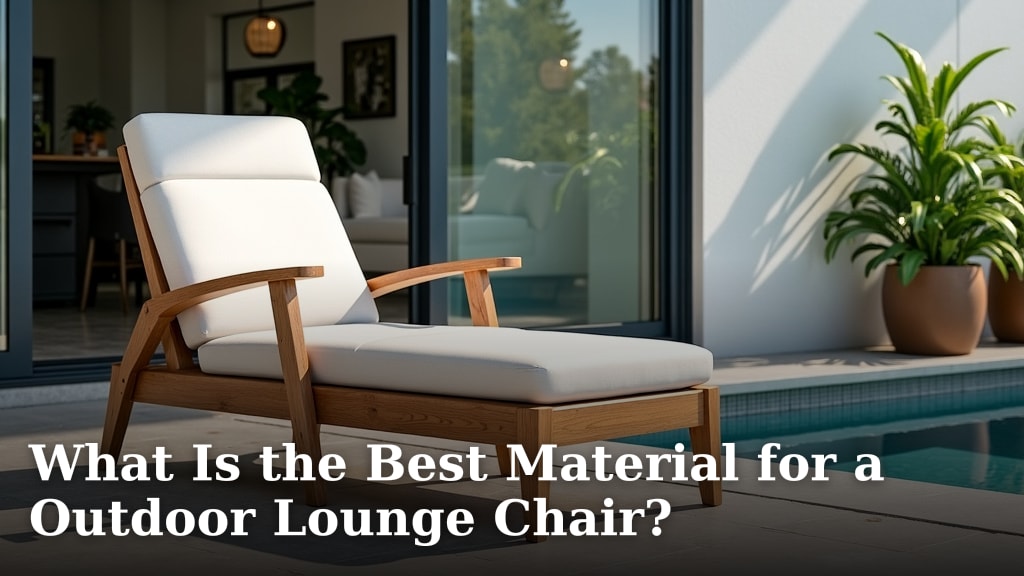
For nearby seating materials and care, compare What Is the Best Material for a Outdoor Sofa?, What Is the Best Material for a Outdoor Daybed? and What Is the Best Material for a Outdoor Lounge Chair?. For durability trade-offs across patio furniture, see What Is The Most Durable Patio Furniture Material?.
Which outdoor kitchen cabinet material should you choose?
Pick stainless steel for exposed kitchens, marine-grade polymer for low-upkeep storage, and teak or ipe for a natural wood look you are willing to maintain. Choose masonry when the kitchen is permanent and its layout is settled.
Before buying, confirm the material grade, hardware, finish and installation guidance for your climate. A well-matched cabinet and cover can make more difference than choosing a material by name alone.
Frequently asked questions
What is the best material for outdoor kitchen cabinets?
Stainless steel is a strong choice for cabinets exposed to rain and humidity because it will not swell or rot, but grade and finish matter. Marine-grade polymer suits buyers who want low upkeep, while masonry works for a permanent built-in kitchen.
Choose based on exposure, installation and maintenance.
Can you use wood for outdoor kitchen cabinets?
Yes, but wood needs a suitable species, sealed edges and regular care. Teak and ipe are common durable choices, while cedar and redwood can work when protected from standing water.
Keep wood cabinets under a roof when possible, and inspect the finish and joints each season.
Is stainless steel or aluminum better for outdoor cabinets?
Both can work outdoors, but stainless steel is heavier and generally resists corrosion well when the grade and finish suit the location. Aluminum is lighter and will not rust like ordinary steel, though it can dent more easily.
Check hardware, welds and coatings, not just the panel material.
Are outdoor kitchen cabinets waterproof?
Most outdoor cabinets are weather resistant rather than fully waterproof. Rain can enter through seams, doors or ventilation openings, so protect stored items and allow drainage.
A roof, fitted cover and raised installation can reduce exposure, but follow the cabinet maker's placement and care instructions.
How do you protect wood outdoor kitchen cabinets?
Protect wood cabinets with a finish made for the wood species and outdoor exposure, then renew it as the finish wears. Keep water from pooling on tops and near end grain, seal cut edges, and use a roof or cover where practical.
Follow the finish maker's preparation and recoat directions.