How Long Does a Chaise Lounge Last?
On this page (7 sections)
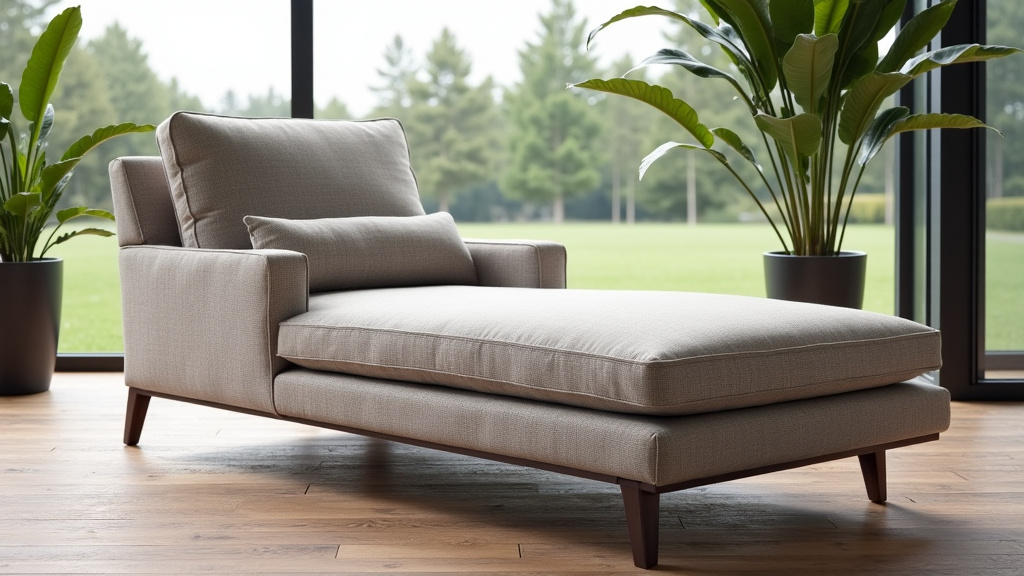
Your chaise lounge can last anywhere from 5 to 15 years, depending on its material, construction, and how you care for it. High-quality materials and proper maintenance are key to enjoying your lounger for the long haul, making it a wise investment for your comfort.
The lifespan of your chaise lounge is influenced by many factors beyond just age. Think about how it’s used and where it lives. Exposure to the elements, the quality of the frame and upholstery, and your regular cleaning habits all play a big part in its durability. We’ve found that understanding these elements can help you extend its life.
- Chaise lounges typically last 5-15 years.
- Material quality greatly affects durability.
- Outdoor vs. indoor use impacts lifespan.
- Regular care and cleaning are essential.
- Proper storage can prevent damage.
Let’s walk through exactly what influences your chaise lounge’s longevity and how you can get the most out of it for years to come.
Your chaise lounge is more than just a piece of furniture; it’s your personal oasis for relaxation. You want it to last, right? The good news is, with the right approach, you can enjoy its comfort for many years.
What Determines Your Chaise Lounge’s Lifespan?
The longevity of your chaise lounge isn’t just about how old it gets. Many factors play a role in its durability. Think of it like a good pair of shoes: how you treat them and what they’re made of makes a big difference.
We’ve found that quality materials and consistent care are the biggest predictors of how long a chaise lounge will hold up. This means looking beyond the initial price tag to understand what makes a chaise truly built to last.
Material Matters: The Backbone of Durability
The materials used in your chaise lounge are the first line of defense against wear and tear. From the frame to the fabric, each component contributes to its overall lifespan.
Frame Materials: The Foundation of Strength
The frame is the structure that supports everything. For indoor chaises, hardwoods like oak or mahogany are known for their strength and longevity. These woods resist warping and cracking over time, offering a solid foundation.
We found that metal frames, especially those made from powder-coated aluminum or stainless steel, are excellent for outdoor chaises. This is because they are naturally resistant to rust and corrosion. A sturdy frame prevents sagging and maintains the chaise’s shape.
Upholstery Fabrics: Comfort Meets Endurance
The fabric covering your chaise needs to withstand use, sunlight, and potential spills. For indoor use, high-performance fabrics like microfiber or tightly woven polyester blends tend to be very durable. They resist pilling and fading well.
Outdoor chaises require specialized fabrics. Materials like solution-dyed acrylics (e.g., Sunbrella) are engineered to resist UV rays, mildew, and water. Many experts say these fabrics can last much longer outdoors than standard indoor textiles because of their special treatment (Outdoor Furniture Plus).
Construction Quality: How It’s Put Together
Even the best materials can fail if the chaise isn’t constructed properly. Look for solid joinery, reinforced stress points, and high-quality stitching.
For upholstered chaises, consider the type of cushioning. High-density foam will retain its shape and support longer than low-density foam. We found that chaises with removable cushion covers are also a plus, making cleaning and potential replacement much easier.
Indoor vs. Outdoor: Different Environments, Different Demands
Where you place your chaise lounge significantly impacts its lifespan. An indoor chaise generally enjoys a more protected existence than one that lives outdoors.
The Rigors of Outdoor Living
Outdoor chaises face a constant barrage from the elements. Sunlight, rain, wind, and temperature fluctuations all take their toll.
UV rays can degrade fabrics and fade colors, making them look old prematurely. Moisture can lead to mold, mildew, and rot, especially in wooden or metal frames not treated for outdoor use. Freezing temperatures can also cause materials to become brittle and crack.
We found that chaises designed specifically for outdoor use have features to combat these issues. This includes water-resistant fabrics, rust-proof frames, and protective finishes. Even so, they will likely have a shorter lifespan than their indoor counterparts.
The Protected Life Indoors
Inside your home, your chaise is shielded from harsh weather. This controlled environment means less stress on the materials.
However, indoor chaises can still suffer from wear and tear. Regular use can lead to fabric thinning, cushion compression, and frame fatigue from repeated sitting and reclining. Sunlight through windows can also cause fading over time, though it’s usually less intense than direct outdoor sun.
Caring for Your Chaise: A Maintenance Guide to Longevity
Regular maintenance is your secret weapon for extending the life of your chaise lounge. Think of it as giving your furniture a little TLC.
Regular Cleaning: The First Line of Defense
Keeping your chaise clean prevents dirt and grime from embedding into the fabric and causing premature wear.
For upholstery, follow the manufacturer’s cleaning instructions. Often, a gentle vacuuming with an upholstery attachment is recommended for both indoor and outdoor fabrics. For spills, blot them immediately with a clean cloth. Many outdoor fabrics can be spot-cleaned with mild soap and water.
We found that quick spot treatments prevent stains from becoming permanent. This simple habit can make a huge difference in the overall appearance and longevity of your chaise.
Deep Cleaning and Protection
Periodically, your chaise might need a more thorough cleaning. For indoor chaises, this might involve a fabric cleaner or steam cleaning, depending on the material. Always test in an inconspicuous area first.
Outdoor chaises benefit from a good wash down at least once a season. This helps remove accumulated dirt, pollen, and potential mildew growth. Many experts suggest using a soft brush and a mild detergent solution for this task (University of Illinois Extension).
Consider using fabric protectant sprays, especially for indoor chaises. These can add an extra layer of defense against spills and stains, keeping your fabric looking newer for longer.
Protecting Cushions and Frames
Cushions can lose their shape over time. If possible, fluff them regularly to redistribute the filling and maintain their loft. If the cushions are removable, rotating them can help ensure even wear.
For wooden frames, especially outdoors, applying a sealant or protective oil annually can prevent drying, cracking, and weathering. Metal frames should be checked for any signs of rust or damage, and touch-ups with appropriate paint or sealant can prevent further deterioration.
Storage Solutions: Protecting Your Investment When Not in Use
Proper storage can be a game-changer, especially for outdoor chaises during off-seasons or periods of disuse.
When to Store Your Chaise
If you live in an area with harsh winters, storing your outdoor chaise during the cold months is highly recommended. This protects it from snow, ice, and extreme cold that can damage materials.
Even for indoor chaises, if you’re going on an extended vacation or redecorating, finding a safe spot for your chaise can prevent accidental damage.
Storage Best Practices
The ideal storage location is a dry, temperature-controlled environment, like a garage, shed, or basement. Ensure the area is free from pests that could damage fabrics.
If storing outdoors is your only option, use high-quality, breathable furniture covers that are designed to protect against moisture and UV rays. Make sure the covers are secured tightly to prevent wind from lifting them.
If possible, store cushions separately from the frame. This prevents moisture from getting trapped between the cushion and the frame, which can lead to mildew. It also helps keep cushions from being compressed unevenly.
We found that storing chaises off the ground, perhaps on pallets or blocks, can prevent moisture wicking from concrete floors and provide better air circulation.
When is it Time for a Replacement?
Even with the best care, all furniture eventually shows signs of age. Knowing when to retire your chaise is part of smart ownership.
Look for persistent issues like sagging cushions that can no longer be fluffed, frames that are wobbly or damaged, and upholstery that is ripped, stained beyond cleaning, or heavily faded.
We found that if the cost of repairs or reupholstering starts to approach the cost of a new chaise, it’s likely time to consider an upgrade. Your comfort and enjoyment are key, and a worn-out chaise might not be providing that anymore.
Here’s a quick checklist to help you assess your chaise lounge’s condition:
- Inspect the frame for any signs of weakness or damage.
- Check the upholstery for tears, stains, or excessive fading.
- Assess the cushions for firmness and support.
- Consider the overall stability and comfort of the chaise.
- Evaluate if repair costs are justifiable compared to replacement.
Conclusion
Your chaise lounge is a true investment in your comfort. By understanding the role of materials, construction, and environment, you can significantly extend its lifespan. Remember, consistent care is your best friend. Regular cleaning, proper protection, and smart storage will keep your chaise looking and feeling great for years. When it’s time for a change, you’ll know the signs. Now, go enjoy your perfectly maintained relaxation spot! You can significantly extend its lifespan by understanding materials and care.
Frequently Asked Questions
How often should I clean my outdoor chaise lounge?
We recommend a good wipe-down of your outdoor chaise at least once a season. This helps remove accumulated dirt and prevent mildew. For spills, prompt spot cleaning is always best.
Can I use regular indoor upholstery cleaner on my outdoor chaise?
It’s generally not recommended. Outdoor chaise fabrics are treated to withstand the elements. Always check the manufacturer’s guidelines, as specialized cleaners are often best for outdoor materials.
What’s the best way to store my chaise lounge in the winter?
The ideal spot is a dry, climate-controlled area like a garage or shed. If you must store it outdoors, use high-quality, breathable furniture covers and consider storing cushions separately.
My chaise lounge frame feels a bit wobbly. Can this be fixed?
Often, a wobbly frame can be addressed by tightening screws or bolts, especially on metal or rattan frames. For wooden frames, you might need to reinforce joints. If you’re unsure, consulting a furniture repair specialist is a good idea.
How can I tell if my chaise cushions need replacing?
If your cushions no longer provide adequate support, feel lumpy, or are permanently flattened even after fluffing, it’s likely time for new ones. Significant stains or odors that won’t come out also indicate a need for replacement.