Can You Leave Patio Furniture Out In The Winter?
On this page (6 sections)
You can leave some patio furniture out in the winter, but it largely depends on the material, local climate severity, and whether you take proper protective measures.
Protecting your patio furniture from harsh winter elements like snow, ice, and extreme cold is essential to prevent damage and extend its lifespan.
- It is often okay to leave durable materials like certain metals and plastics outdoors.
- More delicate items, such as wicker, wood, or upholstered pieces, require significant protection or indoor storage.
- Harsh winter conditions, including freezing temperatures and moisture, can cause cracking, rusting, or fading.
- Cleaning, covering, and proper storage are key steps for preserving your outdoor investment.
Can You Leave Patio Furniture Out In The Winter?
Yes, some patio furniture can stay outdoors through winter, but it truly depends on the material and how well you prepare it.
Winter weather can be surprisingly tough on even the most robust outdoor pieces.
Understanding Winter’s Impact on Your Furniture
Think of your patio furniture facing a winter marathon. It’s not just the cold; it’s the snow, ice, strong winds, and fluctuating temperatures.
These elements can cause materials to expand and contract, leading to cracks or weakness over time.
The Frost Factor
When water seeps into tiny crevices and then freezes, it expands. This expansion can cause splits in wood and even damage metal joints.
It’s like how a tiny crack in your sidewalk gets bigger each winter.
Moisture and Mold Risks
Constant dampness from melting snow and rain creates a perfect breeding ground for mold and mildew.
This is especially true for cushions and natural materials, leading to unsightly stains and odors.
Which Materials Can Brave the Cold?
Some materials are naturally tougher, built to withstand a bit more weather abuse than others.
Knowing your furniture’s material is the first step in deciding its winter fate.
Aluminum and Wrought Iron: The Tough Contenders
Aluminum is naturally rust-resistant and lightweight, making it a good candidate for winter survival.
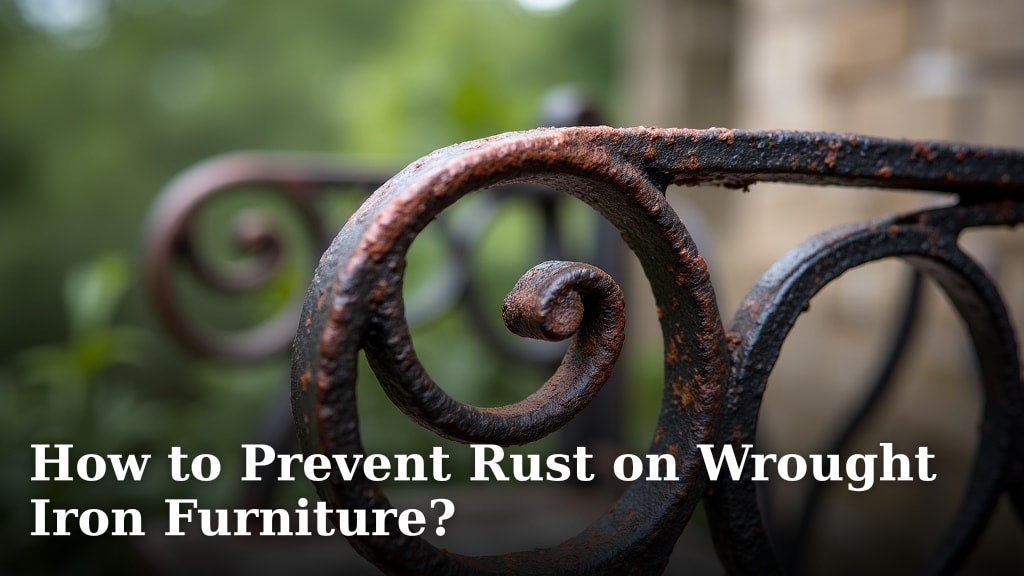
Wrought iron is heavy and strong, but it can rust if its protective coating chips (National Park Service).
Plastics and Resins: Surprisingly Durable
High-quality plastic or resin furniture often handles cold well without cracking, especially if it’s designed for all-weather use.
We found that cheaper plastics can become brittle and break easily in freezing temperatures.
Teak and Cedar: Natural Endurance
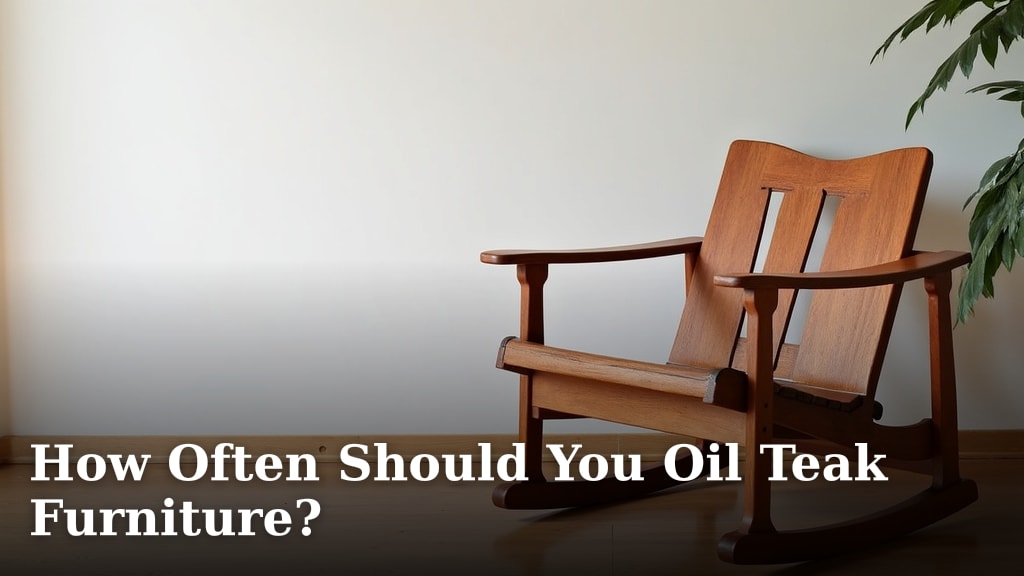
These woods are rich in natural oils, which make them highly resistant to rot and insect damage.
They will weather to a beautiful gray patina if left exposed, but still benefit from cleaning (Forest Products Laboratory).
Considerations for Other Woods
Other types of wood, like pine or oak, are more susceptible to moisture damage, warping, and cracking.
Many experts say these need serious protection or indoor storage.
Materials That Need Extra Care or Storage
Some furniture types are more like indoor cats – they prefer the warmth and protection from the harsh outdoor world.
Ignoring their needs can lead to costly replacements.
Wicker and Rattan: Fragile in Frost
Natural wicker and rattan are very susceptible to moisture damage, unraveling, and cracking in cold, dry air.
Even synthetic wicker can stiffen and break if exposed to extreme cold for too long.
Upholstered Furniture and Cushions: Winter’s Weak Spot
Fabrics absorb moisture readily, leading to mildew, mold, and fading. Cushions can also become a cozy home for critters.
Always bring cushions and pillows indoors for the winter, no matter the frame material.
Your Winter Patio Furniture Protection Plan
Even the toughest furniture benefits from a little TLC before winter sets in. Think of it as winterizing your car.
A little effort now saves you a lot of trouble later.
Cleaning is Your First Defense
Before doing anything else, give your furniture a good clean. Remove all dirt, grime, and food particles.
This prevents mold from taking hold under covers or in storage (American Cleaning Institute).
Cleaning Steps Checklist:
- Brush off loose debris.
- Wipe down surfaces with mild soap and water.
- Rinse thoroughly to remove all soap residue.
- Allow everything to dry completely before covering or storing.
- Spot clean any stubborn stains.
Invest in Quality Covers
Patio furniture covers are like raincoats for your pieces. They shield against snow, ice, rain, and UV rays.
Look for covers that are waterproof, breathable, and have tie-downs to prevent them from blowing away.
To Move or Not To Move? Storage Options
Sometimes, the best protection is simply moving your furniture indoors or to a sheltered spot.
Do you have a garage, shed, or even an unused corner of your basement?
| Storage Option | Pros | Cons |
|---|---|---|
| Indoors (Garage/Shed) | Maximum protection, extends lifespan greatly | Requires space, effort to move |
| Covered on Patio | Convenient, protects from most elements | Still exposed to temperature swings, high winds |
| Uncovered on Patio | Zero effort | High risk of damage, reduced lifespan |
Winter Maintenance Checklist for Patio Furniture
Before the first frost hits, run through this quick checklist to get your patio furniture ready for its long winter’s nap.
You’ll be glad you did when spring arrives.
- Clean all surfaces thoroughly.
- Remove and store cushions and pillows indoors.
- Tighten any loose bolts or screws.
- Apply rust-preventative spray to metal frames, if applicable.
- Apply a fresh coat of sealant or wax to wood furniture.
- Cover furniture with high-quality, breathable covers.
Conclusion
Deciding whether you can leave your patio furniture out in the winter comes down to material, local climate, and your willingness to protect it.
With proper cleaning, covering, and perhaps some indoor storage, you can keep your outdoor oasis looking great for many seasons to come.
A little preventative care goes a long way in preserving your outdoor investment.
Can all types of patio furniture withstand winter conditions?
No, not all types of patio furniture are equally resilient. While some materials like aluminum and high-quality synthetic resins can endure colder temperatures with proper protection, natural materials such as unsealed wood, natural wicker, and most fabrics are vulnerable to moisture, freezing, and cracking.
Is it better to store patio furniture indoors or just cover it?
Storing patio furniture indoors, like in a garage or shed, offers the best protection from extreme elements, temperature fluctuations, and potential theft. However, if indoor storage isn’t possible, investing in high-quality, breathable, waterproof covers is the next best option to shield your furniture.
What kind of covers should I use for winter patio furniture protection?
When selecting winter covers, look for those made from durable, waterproof, and breathable materials. They should fit snugly, ideally with elastic hems or tie-downs, to prevent wind from lifting them. Breathability is key to prevent moisture buildup and mildew under the cover.
Do I need to clean my patio furniture before covering or storing it for winter?
Absolutely. Cleaning your patio furniture thoroughly before winter storage or covering is a crucial step. Removing dirt, dust, pollen, and food residue prevents mold and mildew from growing during the damp winter months. Ensure everything is completely dry before covering to avoid trapping moisture.
Will leaving my patio furniture out in winter void its warranty?
Some manufacturers’ warranties might have clauses regarding proper care and winter storage. Always check your furniture’s warranty information. Failing to protect your furniture from harsh winter conditions could potentially limit or void claims for damage caused by weather exposure.