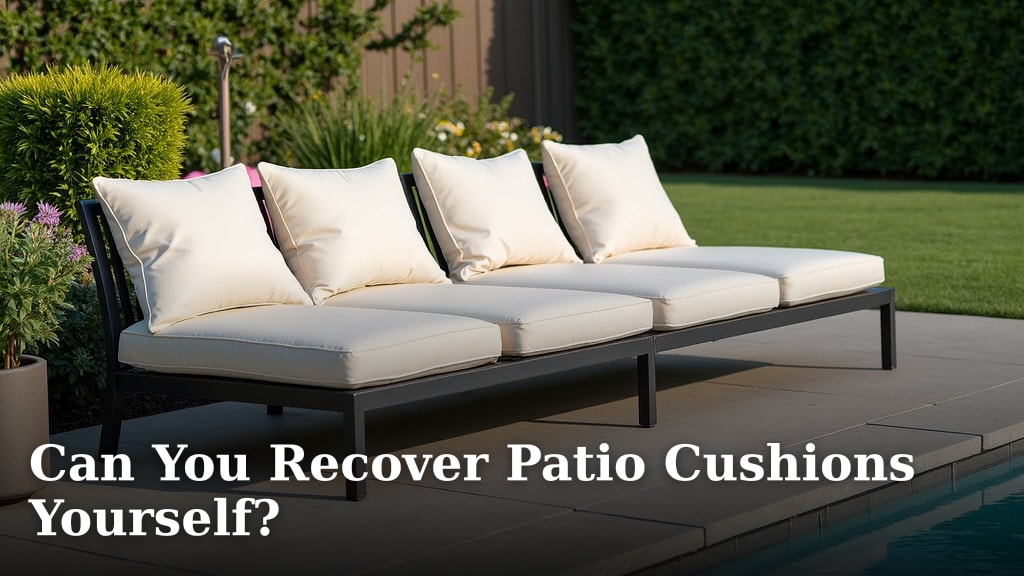
Can Patio Cushions Be Left Outside?
You can sometimes leave patio cushions outside, but it truly depends on their material, design, and your local weather. High-quality, weather-resistant cushions are built to endure more exposure than standard indoor-outdoor types.
For most patio cushions, it’s a good idea to bring them in during severe weather or overnight to protect them from moisture, mildew, and fading, extending their lifespan.
TL;DR: Here’s the quick take on patio cushions outdoors:
- Weather-resistant cushions tolerate more exposure.
- Bring standard cushions in to avoid rain, dew, and sun damage.
- Moisture leads to mildew and mold, ruining your cushions.
- Sunlight causes fabrics to fade and weaken over time.
- Proper storage extends the life of all patio cushions significantly.
Can Patio Cushions Be Left Outside?
Generally, you can leave patio cushions outside for short periods, especially if they are designed for outdoor use. However, leaving them out permanently exposes them to various elements that can shorten their life.
Think about the investment you made in those comfy cushions. Protecting them a bit will save you money and keep your patio looking great.
Why You Might Want to Leave Them Out
Life is busy, right? It’s so convenient to just walk outside and plop down on ready-to-go cushions. Many people prefer not to haul them in and out every day.
For quick use and spontaneous gatherings, leaving cushions out can certainly enhance your patio’s usability. It makes your outdoor space more inviting instantly.
The Risks of Leaving Cushions Outside
While convenience is nice, leaving cushions out comes with some definite downsides. Think of your cushions like an unprotected car in a hailstorm. Damage is inevitable over time.
We found that constant exposure leads to faster wear and tear (Environmental Protection Agency).
Moisture Damage: A Cushion’s Arch-Enemy
Rain, morning dew, and even high humidity are huge problems. Moisture seeps into the cushion filling, making it a perfect breeding ground for mold and mildew.
You’ll notice a musty smell, dark spots, and a breakdown of the fabric. This can happen quicker than you might expect.
Sun Exposure: The Fading Factor
The sun’s UV rays are relentless. They break down fabric dyes and fibers, causing colors to fade and the material to weaken.
That vibrant blue cushion could turn into a washed-out, dull gray over just one summer. Nobody wants that, do they?
Dirt, Dust, and Debris
Wind carries all sorts of things: pollen, dust, leaves, and even bird droppings. These can stain your cushions and make them look dirty and unkempt.
Regular cleaning is a must, but preventing the build-up is even better.
What Makes a Cushion Weather-Resistant?
Not all cushions are created equal. True outdoor cushions are made with specific materials and construction methods to stand up to the elements better than their indoor cousins.
Knowing what to look for helps you make smarter choices.
Fabric Types: The First Line of Defense
The outer fabric is crucial. Many experts say fabrics like solution-dyed acrylic (e.g., Sunbrella) or marine-grade vinyl are top performers (Home Textile Today). These resist fading and water absorption.
Polyester blends can work, but often need additional water-repellent treatments that wear off over time.
Fillings Matter: The Inside Story
What’s inside also counts. If your seating has wicker frames, see whether you can leave wicker patio furniture outside. Outdoor cushions typically use foam or polyester fiberfill that’s designed to dry quickly and resist mildew.
Closed-cell foam is excellent because it doesn’t absorb water readily, unlike open-cell foam used in many indoor cushions.
Comparing Cushion Types: Indoor vs. Outdoor
It’s helpful to see the stark differences between cushions built for different environments.
This table can help you quickly identify what type you have and what care it needs.
| Feature | Outdoor Cushions | Indoor Cushions |
|---|---|---|
| Fabric | Solution-dyed acrylic, marine vinyl, treated polyester | Cotton, linen, velvet, untreated polyester |
| Water Resistance | High (repellent or quick-drying) | Low (absorbent, slow-drying) |
| UV Resistance | High (resists fading) | Low (fades quickly) |
| Mildew Resistance | Built-in inhibitors, quick-drying fill | Very low (prone to mildew) |
| Durability | Designed for external exposure | Designed for internal use only |
When It’s Okay to Leave Cushions Out
There are times when leaving your cushions out isn’t a huge risk. If you have high-quality, weather-resistant cushions and the forecast is clear and sunny, it’s generally fine for a day or two.
Quick drying after a light mist is acceptable for many specialized outdoor fabrics.
When You Should Bring Them In
Play it safe when conditions are less than ideal. Always bring your cushions inside if rain is expected, or if there’s heavy dew in the forecast.
Overnight is often a good time to store them, as dew forms, and temperatures drop, encouraging moisture retention.
Practical Tips for Cushion Care
Even the best outdoor cushions benefit from a little care. Simple actions can dramatically extend their life and appearance.
Think of it as routine maintenance for your outdoor comfort.
Cleaning Your Cushions
Regular cleaning prevents dirt from setting in. We found that a simple solution of mild soap and water works for most outdoor fabrics (textile manufacturer guidelines).
Always let them air dry completely before storing them to stop mildew.
Storage Solutions
When you do bring them in, where do they go? A deck box, shed, or garage is ideal. Look for storage options that are dry, breathable, and pest-free.
Some people use special cushion storage bags for added protection.
Checklist: Quick Cushion Care Tips
- Wipe down regularly to remove surface dirt.
- Spot clean spills immediately.
- Flip cushions to encourage even wear and drying.
- Store indoors or in a deck box during rain.
- Bring inside for extended periods of non-use.
- Check for mildew or mold regularly and treat promptly.
Extending Their Lifespan
To truly get the most out of your patio cushions, a proactive approach helps. Consider using cushion covers for an extra layer of protection when they are not in use but left outside.
Many guidelines point to consistent care as a key factor in longevity (garden and home experts).
The Impact of Climate
Your local climate plays a big role in how well your cushions hold up. Humid regions will see more mildew risk, even without rain.
Areas with intense sun will cause faster fading, regardless of fabric quality.
Seasonal Changes and Your Cushions
At the end of the season, a thorough cleaning and dry storage are essential. Don’t just toss them into a corner of the garage.
Proper winter storage prevents a nasty surprise when spring arrives.
Conclusion
While some patio cushions can endure more outdoor exposure than others, it’s never a good idea to leave them outside permanently without protection. Investing in quality, weather-resistant materials and practicing simple care routines will keep your patio furniture looking great and feeling comfortable for many seasons.
A little effort in storing and protecting your cushions pays off significantly, saving you money and frustration.
Can I pressure wash my patio cushions?
No, you should not pressure wash patio cushions. The high force of the water can damage the fabric fibers, push water deep into the foam, and even remove water-resistant coatings, leading to quick deterioration and mildew issues.
How do I stop my patio cushions from blowing away?
You can secure patio cushions with ties that attach to your furniture frame. Some cushions come with these built-in. For strong winds, bringing them inside or into a storage box is the best solution.
What is the best way to store patio cushions for winter?
For winter, clean your cushions thoroughly, ensure they are completely dry, and then store them in a cool, dry, dark place. A waterproof storage bag or container in a garage or shed is ideal to protect them from moisture, pests, and extreme temperatures.
How often should I clean my patio cushions?
You should spot clean spills as they happen. For general maintenance, a light cleaning with mild soap and water every few weeks during the peak season is good. A deep clean at the beginning and end of each season is also recommended.
Can I use Scotchgard on my patio cushions?
You can use fabric protector sprays like Scotchgard on many outdoor cushion fabrics, especially those made of polyester, to enhance their water and stain resistance. Always test on an inconspicuous area first and follow the product’s specific instructions for the best results.