Can I Leave Patio Furniture Out All Winter?
No, you generally should not leave all patio furniture out all winter without proper protection.
While some durable materials can withstand cold, extreme weather causes damage like cracking, rusting, and fading to unprotected patio furniture.
Here’s a quick overview of what to know about winterizing your outdoor living space:
- Most patio furniture needs some kind of protection from winter’s harsh elements.
- Different furniture materials have varying resistance to cold, snow, and ice.
- Cleaning, covering, or storing your furniture significantly extends its lifespan.
- Consider robust furniture covers for milder climates, or full indoor storage for severe winters.
- A little care now saves you money, effort, and replacement costs down the road.
Can I Leave Patio Furniture Out All Winter?
While some materials show better resistance, it is generally not recommended to leave patio furniture unprotected during winter months. For more guidance, see whether you can leave patio furniture outside in winter. Protecting your outdoor pieces helps them last longer and look better.
Think of your patio furniture as an investment. You wouldn’t leave a nice car exposed to blizzards without a cover, would you? The same principle applies here. Extreme cold, ice, snow, and even winter sun can cause real damage. We found that proper winter care is a key factor in how long your furniture lasts. For preparation steps, read our guide to winterizing patio furniture.
Why Bother Protecting Your Patio Furniture?
You might be thinking, “It’s just furniture, right?” But the elements are relentless. Winter weather brings freezing temperatures, moisture, and even strong winds. These factors can quickly deteriorate materials not designed for constant exposure. Many experts agree that preventative care is always better than trying to repair damage later.
Common Winter Woes for Furniture
What kind of damage are we talking about? We’ve seen everything from cracked plastic to rusted metal. Wooden pieces can split, fabrics can grow mildew, and colors can fade. It’s like leaving a nice steak out in the rain; it just won’t be as good when you come back. You want your furniture ready for spring, not ready for the curb.
Understanding Your Furniture Material
The first step in deciding how to winterize is knowing what your furniture is made from. Different materials react differently to cold and moisture. What works for metal might not be best for wicker. Knowing your materials helps you choose the best protection strategy.
Aluminum Furniture: Pretty Tough, But Not Invincible
Aluminum is a popular choice for patios because it resists rust well. It’s lightweight and often painted with a powder coat. While it handles cold better than steel, heavy snow or ice can still cause dents or chip the finish. Many resources suggest that covering aluminum pieces will protect the coating and joints from unnecessary wear (Outdoor Living Guides).
Steel and Wrought Iron: Rust Is Their Arch Nemesis
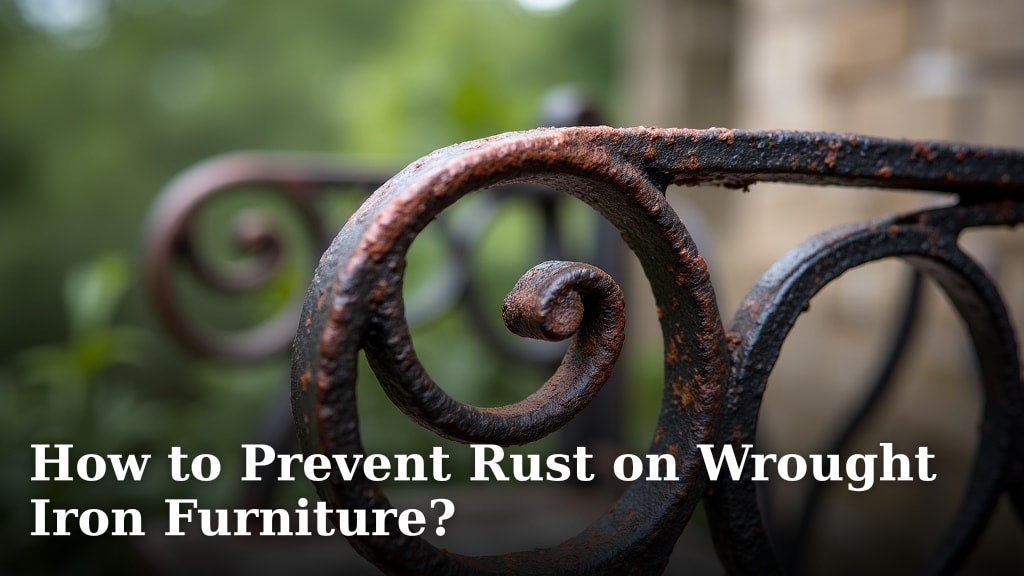
Steel, especially wrought iron, looks strong and sturdy. But it’s highly prone to rust when exposed to moisture. Even a small scratch can allow rust to begin. We found that moisture is the biggest enemy here. If you have steel furniture, keeping it dry is your top priority. You might consider storing these pieces indoors during winter.
Wicker and Rattan: A Bit More Delicate
Both natural and synthetic wicker (often called all-weather wicker) have different needs. Natural wicker can become brittle and crack in cold, dry air. It can also mold if it gets wet and can’t dry properly. Synthetic wicker is more resistant but can still crack if exposed to extreme cold or impact. Covering these pieces is a smart move, especially for keeping joints protected.
Wood Furniture: A Matter of Type
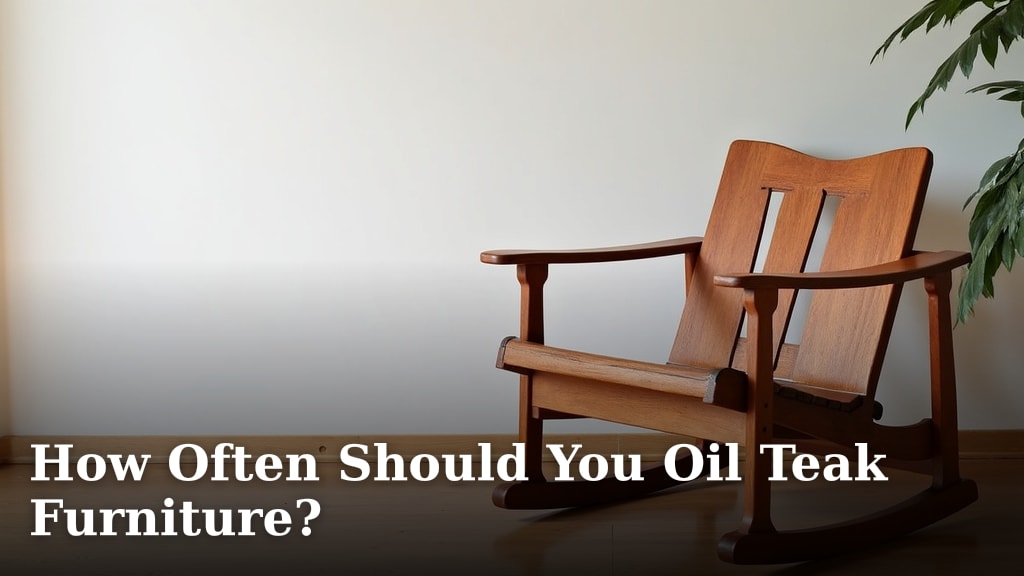
Wood types vary a lot. Teak has its own weather considerations; see whether you can leave teak furniture outside all year. Teak is naturally oily and highly resistant to rot and insects, making it quite durable in winter. Cedar and redwood also do pretty well. Pine or painted woods are far less resilient. All wood benefits from being cleaned and covered to prevent moisture absorption and subsequent cracking. We often see that proper sealing extends wood life significantly.
Patio Cushions and Fabrics: Bring Them Inside!
This is probably the easiest decision. Cushions, pillows, and fabric slings should always come inside for winter. They absorb moisture, which leads to mildew, mold, and rot. Freezing and thawing cycles can also damage the foam and fabric fibers. Store them in a dry, temperature-controlled space. This small step saves you headaches later.
Your Winter Protection Arsenal
So, what can you actually do to protect your patio furniture? There are a few key strategies you can use, depending on your climate and furniture types. It’s about finding the right balance of effort and protection for your situation. One option is to shrink wrap patio furniture for seasonal protection.
Furniture Covers: Your First Line of Defense
Good quality, waterproof patio furniture covers are an excellent investment. Look for covers that are breathable to prevent moisture buildup underneath, but still fully protective. Make sure they fit snugly but allow air circulation. Many people find these covers perfect for climates with moderate winters, offering good all-around protection.
Indoor Storage: The Gold Standard for Protection
If you have the space, bringing your furniture inside is the best option. A garage, shed, basement, or even an unused room works. This completely removes the furniture from harsh elements. This option is ideal for any material, especially for delicate items or if you live in an area with very severe winters.
When to Act: Timing Your Winter Prep
Don’t wait until the first snowflake falls! Start thinking about winterizing when the temperatures begin to drop consistently below freezing. The goal is to prepare your furniture before the truly harsh weather arrives. A good rule of thumb is to start your preparations in late fall, before winter fully sets in.
A Simple Winter Checklist for Your Patio Furniture
- Clean all furniture surfaces thoroughly.
- Ensure everything is completely dry before covering or storing.
- Disassemble large pieces if it helps with storage or covering.
- Apply protective sealants or waxes to wood or metal.
- Store cushions and fabrics indoors in a dry place.
- Cover remaining outdoor furniture with high-quality, breathable covers.
Comparing Material Winter Needs
Let’s look at how different materials generally fare during winter and what protection they need:
| Material Type | Winter Resilience | Recommended Winter Care |
|---|---|---|
| Aluminum | Good | Clean, cover with breathable cover, store cushions. |
| Steel/Wrought Iron | Low (rust risk) | Clean, dry thoroughly, apply rust inhibitor, cover or store indoors. |
| Synthetic Wicker | Moderate to Good | Clean, cover with breathable cover, store cushions. |
| Natural Wicker | Low (brittle, mold risk) | Clean, dry, store indoors or in protected, dry area. |
| Teak Wood | Good | Clean, allow to dry, optional cover to prevent fading. |
| Other Woods (Pine, Painted) | Moderate to Low | Clean, dry, seal, cover, or store indoors. |
| Fabrics/Cushions | Very Low | Clean, dry completely, store indoors. |
The Benefits of Proper Winter Care
Taking the time to protect your patio furniture offers several clear advantages. First, you’ll save money by extending the life of your pieces. Buying new furniture every few years gets expensive. Second, your furniture will look better, longer. No one wants faded, cracked, or rusty patio sets. Finally, you get to enjoy your outdoor space more fully when spring arrives, knowing everything is in great shape.
Conclusion
So, while you can leave some patio furniture out all winter, it’s almost always a better idea to provide some protection. Your furniture is an extension of your home, and it deserves care. By understanding your materials and taking a few simple steps—cleaning, covering, or storing—you’ll ensure your patio is ready to welcome you back when the warmer weather returns. This approach ensures you’re maximizing your investment and enjoyment.
Can outdoor cushions be left outside in winter?
No, outdoor cushions should always be brought inside for winter. They are very prone to absorbing moisture, which leads to mold, mildew, and deterioration of the fabric and foam in freezing temperatures. Storing them in a dry, indoor space will keep them fresh and ready for spring.
What kind of covers are best for winterizing patio furniture?
The best covers are made from durable, waterproof, yet breathable materials like treated polyester or vinyl. Look for features like reinforced seams, elastic hems, and tie-down straps to ensure a secure fit and prevent wind from blowing them off. Breathability is key to prevent condensation and mold buildup underneath.
Does extreme cold damage plastic patio furniture?
Yes, extreme cold can certainly damage plastic patio furniture. Plastic can become brittle in freezing temperatures, making it more susceptible to cracking or breaking from impact or stress. UV stabilizers in plastic can also degrade over time with year-round exposure. It’s best to cover or store plastic furniture in colder climates.
How do I prevent mold and mildew on furniture stored over winter?
To prevent mold and mildew, always ensure your furniture is completely clean and dry before covering or storing it. If storing indoors, choose a dry area. For covered outdoor furniture, use breathable covers and ensure air can circulate underneath. Consider placing moisture absorbers inside enclosed storage areas for extra protection.
Is it worth the effort to winterize inexpensive patio furniture?
Absolutely! Even inexpensive patio furniture can benefit greatly from winterization. While the initial cost may be low, replacing it every year adds up. A small amount of effort to clean and cover or store even budget-friendly pieces can easily double or triple their lifespan, making it a very worthwhile investment.