How To Keep Steel Patio Furniture From Rusting?
To keep steel patio furniture from rusting, you must first apply a rust-inhibiting primer and then a durable topcoat of paint. Regular cleaning and covering your furniture when not in use also significantly extend its life.
You can effectively prevent rust by ensuring moisture cannot reach the bare metal, often through protective coatings and proper storage.
- Apply a rust-inhibiting primer before painting.
- Use a high-quality, weather-resistant outdoor paint.
- Clean furniture regularly to remove dirt and moisture.
- Cover your furniture during bad weather or off-season.
- Address any scratches or chips quickly with touch-up paint.
Ah, steel patio furniture! It’s sturdy, stylish, and can last for ages with the right care. But, like an unstoppable force meeting an immovable object, rust can be a real headache. You probably love how your steel pieces look, but seeing those orange-brown spots can be pretty disheartening, right?
Don’t worry, you’re not alone. Many homeowners face this challenge. The good news is that keeping rust at bay is easier than you might think. With a bit of proactive work, your outdoor oasis will stay beautiful for years.
How To Keep Steel Patio Furniture From Rusting?
To stop rust on your steel patio furniture, the key is to create a barrier against moisture and oxygen. This means using protective coatings and maintaining them vigilantly.
Understanding the Rust Enemy
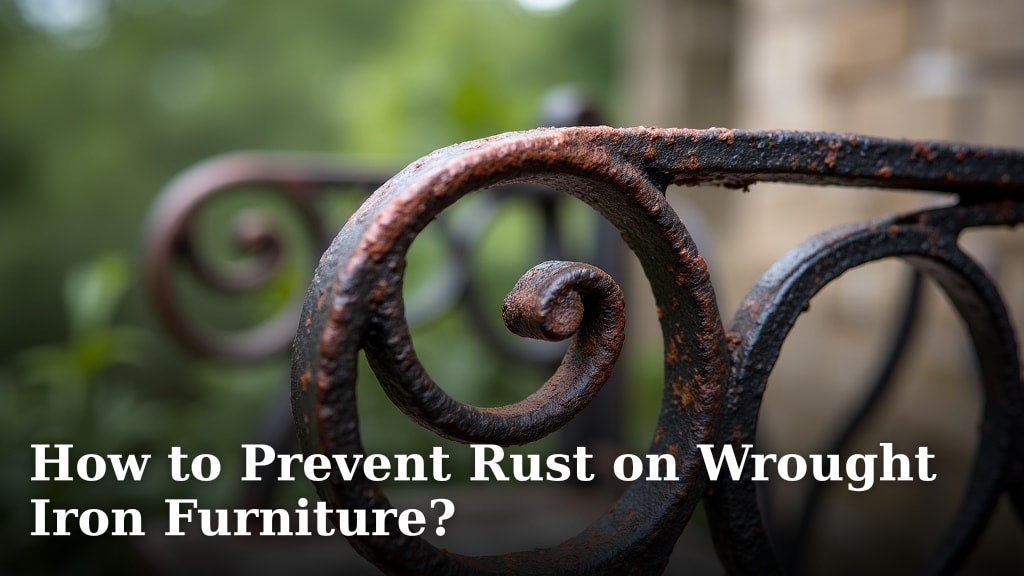
Rust, or iron oxide, forms when iron (a main component of steel) reacts with oxygen and water. Think of it as a silent, slow battle happening on your furniture’s surface. Once it starts, it can spread quickly.
The outdoors is a prime environment for rust. Rain, humidity, and even morning dew all contribute to this chemical process. It’s like leaving a metal spoon out in the rain – eventually, it changes.
Why Steel?
Steel is strong and durable, which is why we love it for outdoor items. However, its iron content makes it susceptible to rust without proper protection. You’ll often find that rust shows up first in hidden spots or welds.
The Power of Preparation: Cleaning Your Furniture
Before applying any protective layer, a good clean is essential. Imagine trying to paint over a dirty wall; it just wouldn’t stick well. The same applies here, and perhaps even more so for rust prevention.
Start by washing your furniture with mild soap and water. Use a soft brush or cloth to remove all dirt, grime, and any existing loose rust flakes. Rinse it thoroughly afterwards.
Drying is Crucial
After washing, make sure your furniture is completely dry. Any lingering moisture can get trapped under new coatings, defeating the purpose. You can let it air dry in the sun or use old towels.
First Line of Defense: Rust-Inhibiting Primer
This step is probably the most important for long-term protection. A good primer acts as a sticky base for your topcoat and actively fights rust. Many experts say that priming is non-negotiable for steel (American Coatings Association).
- Choose a primer specifically designed for metal.
- Ensure it has rust-inhibiting properties.
- Apply it in thin, even coats for best results.
- Allow proper drying time between coats as recommended on the can.
The Topcoat: Your Furniture’s Armor
Once your primer is dry, it’s time for the topcoat. This layer gives your furniture its color and provides the main physical barrier against the elements. Think of it as the shield in your furniture’s battle against rust.
Select an exterior-grade paint that is durable and weather-resistant. Many research articles highlight that epoxy or polyurethane paints offer superior protection against corrosion (National Association of Corrosion Engineers).
Application Tips for Long-Lasting Paint
Apply several thin coats instead of one thick one. This creates a stronger, more even finish that resists chipping. Always allow each coat to dry fully before applying the next.
Regular Maintenance: A Little Effort Goes a Long Way
Protection isn’t a one-and-done deal. Just like you clean your car, your patio furniture needs regular attention. This helps catch any small issues before they become big problems.
Wipe down your furniture weekly, especially after rain or heavy use. This removes pollen, dust, and any corrosive substances. A simple damp cloth is usually enough for this task.
Patching Up Scratches and Chips
Even with the best paint job, accidents happen. A dropped tool or a playful pet can cause a scratch. These tiny breaks in the coating are like open doors for rust to sneak in.
Keep a small can of touch-up paint handy. As soon as you spot a scratch, clean the area, lightly sand any developing rust, and apply touch-up primer and paint. Early intervention is key!
Protective Covers: An Easy Win
When you know bad weather is coming, or you’re putting your furniture away for the season, covers are your best friend. They protect against rain, snow, and even intense sun, which can degrade paint over time.
Look for covers that are breathable to prevent moisture buildup underneath, but also waterproof. They’re an inexpensive way to add years to your furniture’s life. It’s like giving your furniture a cozy, weather-proof blanket.
Strategic Storage for the Off-Season
If you live in an area with harsh winters or extreme humidity, consider storing your steel furniture indoors. A garage, shed, or basement is ideal. This completely removes it from the elements.
Even storing it under a covered patio or pergola helps immensely. Reducing direct exposure to rain and snow makes a significant difference. You wouldn’t leave your favorite indoor sofa outside, right?
Comparing Rust Prevention Methods
| Method | Pros | Cons |
|---|---|---|
| Painting & Priming | Strongest barrier, customizable color. | Requires preparation, takes time to apply. |
| Protective Covers | Easy to use, immediate protection. | Less aesthetically pleasing when in use. |
| Regular Cleaning | Simple, keeps furniture looking good. | Doesn’t create a barrier, needs frequent effort. |
| Off-Season Storage | Complete protection from elements. | Requires space, some effort to move. |
Rust Prevention Checklist
To make sure you’re covering all your bases, here’s a quick checklist:
- Thoroughly clean and dry furniture before any treatment.
- Apply a rust-inhibiting primer to all steel surfaces.
- Use quality exterior paint for the topcoat.
- Routinely clean furniture to remove debris and moisture.
- Immediately touch up any chips or scratches.
- Cover furniture during inclement weather.
- Store indoors or under cover for extended periods.
Conclusion
Keeping your steel patio furniture rust-free is a very achievable goal. It’s not about finding a magic bullet, but rather consistently applying a few straightforward strategies. By understanding how rust works and proactively protecting your furniture, you can enjoy its beauty and strength for many seasons to come.
Remember, a little care today can save you a lot of effort and expense tomorrow. Your patio is an extension of your home, and making sure your furniture looks its best contributes to that inviting feeling. Go ahead, give your steel furniture the love it deserves!
What kind of paint is best for steel patio furniture?
For steel patio furniture, an exterior-grade paint with rust-inhibiting properties is best. Many experts recommend enamel, epoxy, or polyurethane paints for their durability and strong barrier against moisture and corrosion.
How often should I repaint my steel patio furniture?
Generally, you should inspect your steel patio furniture annually. Repainting every 2-3 years can help maintain its protective coating, especially if it’s exposed to harsh weather. Touch-ups for small chips should be done immediately.
Can I use rust converters on my patio furniture?
Yes, rust converters can be useful for existing rust. They chemically transform rust into a stable, paintable surface. You should still clean the area, apply the converter, and then follow with a rust-inhibiting primer and topcoat for the best protection.
Is galvanization a good option for rust prevention?
Galvanization, which applies a protective zinc coating to steel, is an excellent long-term solution for rust prevention. Many premium steel outdoor furniture pieces come galvanized. If your furniture isn’t, it’s usually a factory process and not something easily done at home.
Does regular waxing help prevent rust?
Yes, applying a car wax or clear protective sealant after painting can add an extra layer of defense against moisture and UV rays. This temporary barrier can extend the life of your paint job and make cleaning easier, but it needs to be reapplied periodically.