Do You Leave Your Patio Cushions Outside?
Generally, no, you should not leave your patio cushions outside unprotected for extended periods, as exposure to weather elements can cause significant damage and shorten their lifespan.
While some cushions are designed for outdoor use, even the toughest materials benefit from covering or indoor storage when not in use, especially during harsh weather.
Here’s a quick rundown of what you need to know about leaving your patio cushions outside:
- Weather Damage is Real: Sun, rain, and humidity can quickly ruin your cushions.
- Material Matters: Some fabrics are more resilient than others, but none are invincible.
- Mold and Mildew Alert: Moisture is a big enemy, leading to unpleasant growth.
- Storage is Your Friend: Proper storage extends cushion life and saves money.
- Small Steps, Big Impact: Simple habits can keep your patio looking great for years.
Do You Leave Your Patio Cushions Outside?
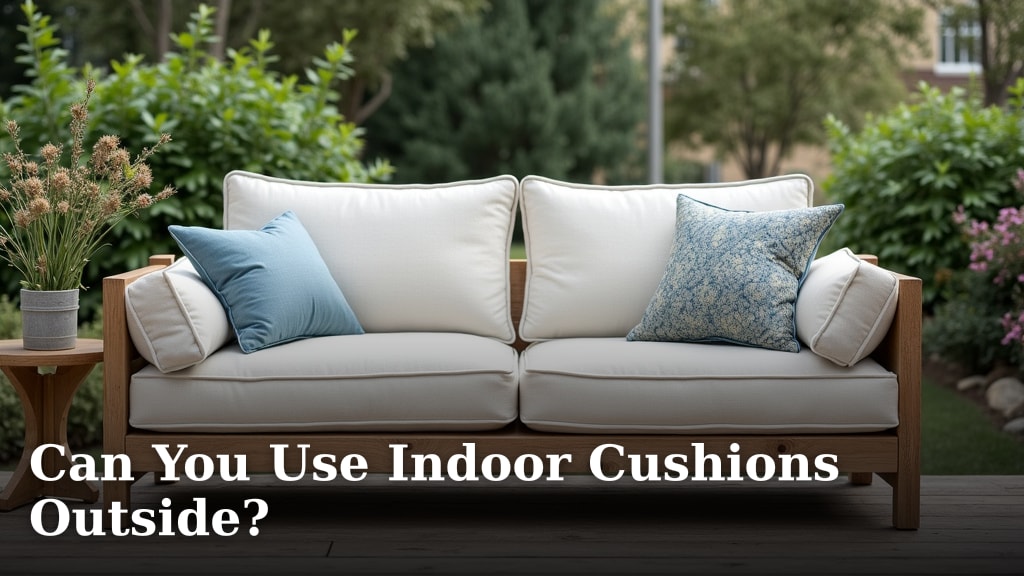
It’s tempting to leave those comfy patio cushions right where they are, isn’t it? But for most patio cushions, leaving them out all the time isn’t the best idea.
You risk damage from the elements, which means replacing them sooner than you’d like.
The Hidden Costs of Constant Exposure
Imagine leaving your favorite shirt out in the rain and sun for weeks. What happens? It fades, gets damp, maybe even smells a bit off. Your patio cushions are no different.
Constantly facing the outdoors without protection takes a toll, turning vibrant colors dull and plush fabrics stiff.
Sun’s Silent Damage: UV Rays
That beautiful sunshine that warms your patio is also a relentless attacker for your cushions. Ultraviolet (UV) rays are like tiny, invisible paint strippers.
Over time, they break down fabric dyes, leading to fading. Research shows UV exposure is a primary cause of outdoor fabric degradation (NIST).
Rain’s Relentless Assault
A sudden downpour can soak your cushions through. While many outdoor fabrics are designed to resist water, they aren’t always waterproof.
Water can seep into the foam, creating a breeding ground for mold and mildew if they don’t dry out completely.
The Mold and Mildew Menace
Ever notice dark spots or a musty smell on your outdoor items? That’s likely mold or mildew.
These fungi thrive in damp, warm environments, and a wet cushion left outside is their perfect home. They not only look bad but can also cause unpleasant odors and potentially trigger allergies.
When Critters Come Calling
Leaving cushions out can also invite unwelcome guests. Insects, spiders, and even small rodents might find your cushions a cozy spot to hide or nest.
You don’t want to sit down only to find an unexpected visitor already there, do you?
Understanding Cushion Materials
Not all patio cushions are created equal. Their longevity outside depends heavily on what they’re made of.
Some materials offer better resistance than others, but none are truly immune to constant exposure.
Here’s a quick look at common outdoor cushion materials:
| Material Type | Key Feature | Outdoor Resilience |
|---|---|---|
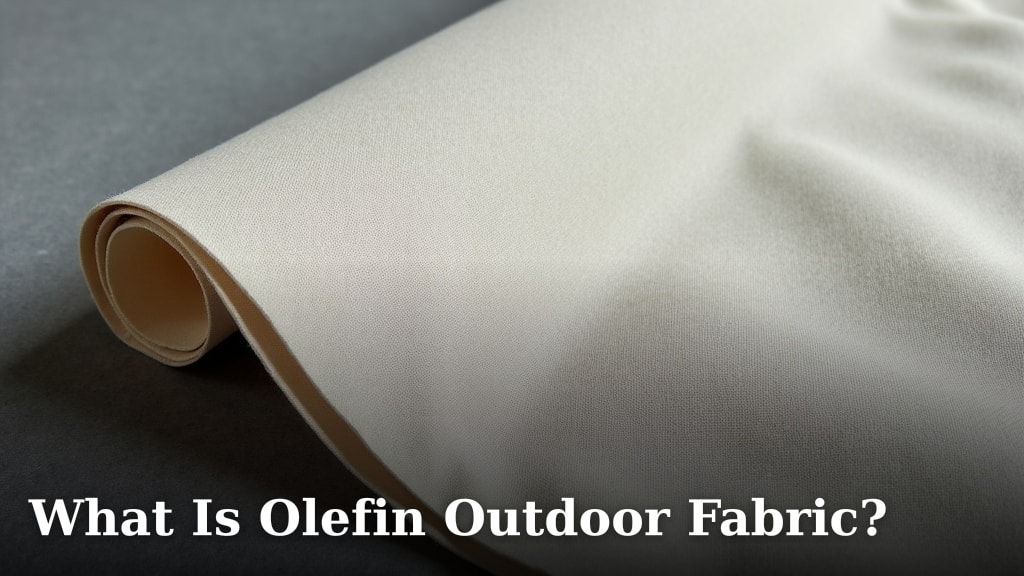
| Olefin | Resists fading, quick-drying | Good for general outdoor use, still needs cover |
| Acrylic (e.g., Sunbrella) | Excellent UV resistance, water repellent | Highly durable, but prolonged wetness still an issue |
| Polyester | Affordable, some water resistance | Lower UV resistance, prone to fading and mildew |
| Cotton/Blends | Soft, comfortable | Not recommended for prolonged outdoor exposure |
Water-Resistant vs. Waterproof
This distinction is key. Many outdoor cushions are water-resistant, meaning they shed water and dry quickly.
However, truly waterproof cushions are rare and often feel less comfortable. A water-resistant cushion still needs protection from saturation.
Signs Your Cushions Are Struggling
How can you tell if your cushions are giving up the ghost? Look for these warning signs:
- Significant fading or discoloration.
- Stiff or brittle fabric texture.
- Persistent musty or moldy smells.
- Visible mold, mildew, or dark spots.
- Flattened, lumpy, or disintegrated foam inserts.
- Stitching coming undone.
Practical Solutions for Cushion Longevity
So, you want to keep your patio cushions looking great? We understand! It’s totally doable with a few simple habits.
Think of it like regular care for your car or garden – a little effort goes a long way.
The “Bring Them In” Rule
The simplest solution? Bring them inside when you know bad weather is coming, or when you won’t be using them for a while. A garage, shed, or even a spare room works wonders.
This is especially true during the off-season, like winter or prolonged rainy periods.
Smart Storage Solutions
If indoor space is tight, consider outdoor storage options. Many experts recommend a dedicated solution.
Patio storage boxes, also known as deck boxes, are excellent for this. They are often weather-resistant and keep cushions dry and clean.
Using Outdoor Cushion Covers
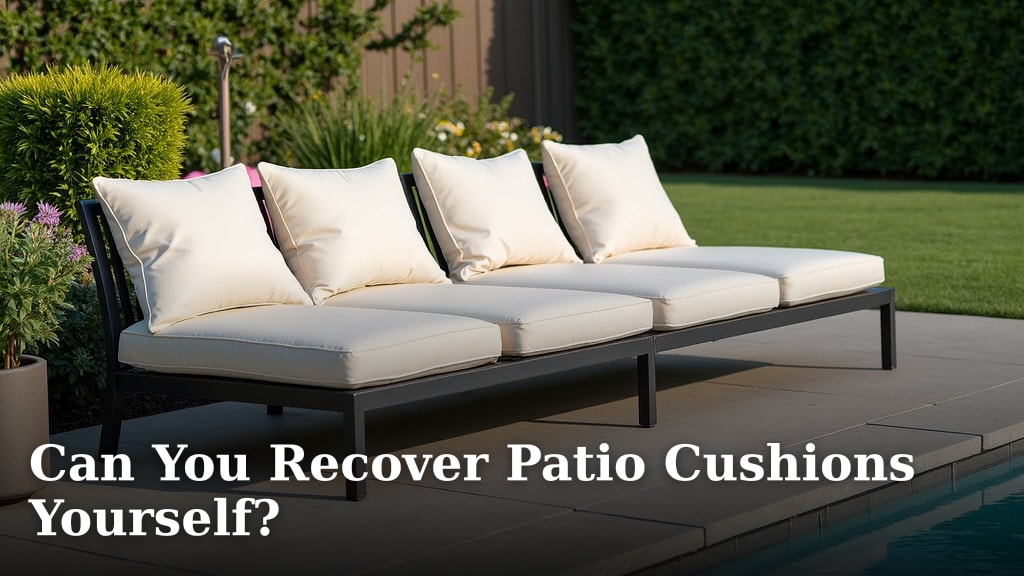
When you’re leaving cushions on the furniture, investing in protective covers for the cushions themselves or for the entire furniture set is a smart move.
These covers shield against sun, rain, and dust. We found that choosing a breathable cover helps prevent moisture build-up underneath.
Quick Check-Up for Your Cushions
Here’s a simple checklist to keep your patio cushions in top shape:
- Wipe down cushions after rain or heavy dew.
- Spot clean spills immediately to prevent stains.
- Flip cushions regularly for even wear and sun exposure.
- Check for mold or mildew weekly during humid seasons.
- Air out cushions completely if they get wet.
Cleaning for a Fresh Look
Even with good care, cushions need cleaning. Many patio cushion covers are machine washable (always check the label!).
For non-removable covers, a gentle scrub with mild soap and water, followed by thorough rinsing and drying, can refresh them significantly.
Making Your Investment Last
Patio cushions represent an investment in your outdoor comfort and style. Treating them with care extends their life, saving you money in the long run.
You wouldn’t leave your expensive couch outdoors, right? Apply a similar mindset to your patio furnishings.
Conclusion
Leaving your patio cushions outside constantly is a recipe for premature wear and tear. While outdoor cushions are designed to be more resilient than indoor ones, they are not indestructible.
Protecting them from the elements—especially prolonged sun and rain—will ensure they remain vibrant, comfortable, and hygienic for many seasons to come. A little care goes a long way in preserving your outdoor oasis.
How do I protect my outdoor cushions from rain?
To protect outdoor cushions from rain, you should either store them in a waterproof deck box, bring them indoors during wet weather, or cover your entire patio furniture set with a waterproof cover when not in use.
Can I leave Sunbrella cushions outside all the time?
While Sunbrella fabric is highly durable and very resistant to fading and mildew, leaving Sunbrella cushions outside all the time can still lead to dirt accumulation, potential moisture issues in the foam, and general wear.
It’s best to cover or store them during extended periods of disuse or harsh weather.
How often should you clean outdoor cushions?
You should spot clean outdoor cushions as spills or dirt occur. For a deeper clean, many experts suggest cleaning them at least once or twice a season, or more frequently if they are heavily used or exposed to a lot of pollen and dust.
What is the best way to store patio cushions for winter?
The best way to store patio cushions for winter is to ensure they are completely clean and dry, then place them in airtight bags or containers, and store them in a dry, climate-controlled environment like a garage, basement, or attic to prevent mold, mildew, and pest damage.
Do patio cushions dry out if left in the sun?
Yes, patio cushions can dry out if left in the sun after getting wet. However, this also exposes them to harmful UV rays, which can cause fading and break down the fabric over time. It’s better to air dry them in a shaded, well-ventilated area or indoors.