Can You Leave Patio Cushions Out In The Rain?
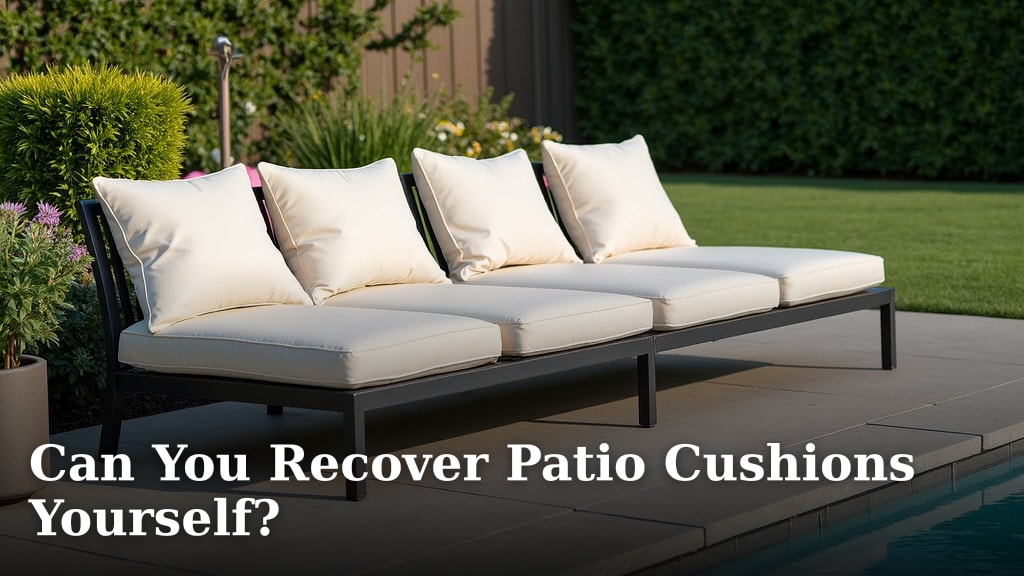
Generally, leaving most patio cushions out in the rain is not a good idea for their longevity and your comfort. While some are designed for outdoor use, prolonged exposure to moisture can lead to issues like mildew, fading, and damage to their structure.
You can leave specific types of patio cushions, particularly those labeled “all-weather” or made with quick-drying, water-resistant fabrics and open-cell foam, out for light rain, but it’s always best to bring them inside or cover them during heavy downpours.
Here’s a quick summary of what you need to know about patio cushions and rain:
- Most cushions aren’t fully waterproof and will absorb water.
- Water absorption leads to mildew, mold, and unpleasant odors.
- Prolonged dampness can break down foam and fabric, shortening cushion life.
- Always check your cushion’s material – some are more rain-friendly than others.
- Covering or storing cushions is the best way to protect your investment.
Can You Leave Patio Cushions Out In The Rain?
No, generally you shouldn’t leave most patio cushions out in the rain if you want them to last. While they are for outdoor living, rain and moisture can cause significant problems for many types of cushions over time.
Understanding Patio Cushion Materials
The type of material used in your patio cushions makes a big difference. Some fabrics and fills are much more resilient to moisture than others. Knowing what your cushions are made of helps you decide how to treat them during a downpour.
Water-Resistant vs. Waterproof
Many people confuse water-resistant with waterproof. A water-resistant cushion can repel light moisture for a short time. Think of a light drizzle. A truly waterproof cushion can withstand significant water exposure without absorbing it. These are less common for comfort seating.
The Dangers of Damp Cushions
When cushions get wet and stay wet, a host of issues can pop up. You might think it’s just a little water, but the consequences can be costly and unpleasant.
Mold and Mildew Growth
This is perhaps the biggest problem. Damp, warm conditions are a perfect breeding ground for mold and mildew. Once they start, they can be incredibly difficult to remove and often leave behind unsightly stains and a musty smell (CDC).
Fabric Deterioration and Fading
Constant exposure to moisture can weaken fabric fibers. Over time, your cushions may start to fray or tear easily. Sunlight combined with moisture can also accelerate color fading, leaving your cushions looking tired and old before their time.
Inner Foam Damage and Sagging
The foam inside your cushions can suffer too. Many foams absorb water, causing them to break down and lose their shape. This leads to sagging and a lumpy feel, making your seating less comfortable and supportive. We found that repeated wetting and drying cycles greatly reduce foam lifespan.
Identifying Rain-Friendly Cushions
So, how do you tell if your cushions can handle a little rain? It comes down to checking their labels and understanding key features. Don’t just assume; always confirm.
Quick-Drying Fabrics
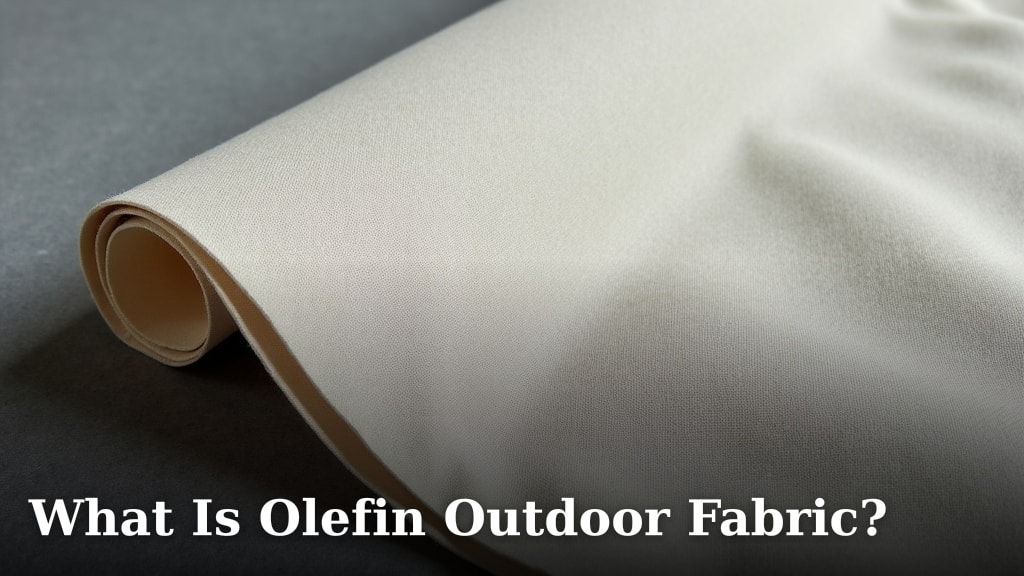
Look for fabrics like solution-dyed acrylic (e.g., Sunbrella), Olefin, or polyester blends. These are designed to shed water quickly and dry faster than traditional fabrics. They are often UV-resistant as well, offering double protection.
Open-Cell Foam Inserts
Some premium cushions use open-cell foam. Unlike traditional foam, which acts like a sponge, open-cell foam allows water to drain right through it. This prevents prolonged dampness inside the cushion. Many experts suggest this for high-exposure areas.
Here’s a quick comparison of common cushion materials and their rain resistance:
| Material Type | Rain Resistance | Notes |
|---|---|---|
| Cotton/Polyester Blend | Low | Absorbs water, prone to mold, slow drying. |
| Acrylic (e.g., Sunbrella) | High | Water-resistant, quick-drying, UV stable. |
| Olefin | Medium-High | Good resistance, durable, quick-drying. |
| Textilene (Mesh) | Very High | Minimal absorption, very quick-drying. |
| Vinyl/PVC | Very High | Waterproof surface, can get hot. |
Best Practices for Cushion Care in Rain
Protecting your patio cushions from rain isn’t complicated. A few simple habits can extend their life and keep them looking great. Think of it as a small investment in your comfort.
Storing Cushions Indoors
The simplest and most effective method is to bring your cushions inside during rainstorms or overnight. This completely removes them from the elements. Consider a patio storage box or a garage corner.
Using Outdoor Storage Boxes
Many outdoor storage boxes are waterproof and designed to protect cushions. They offer a convenient way to tuck your cushions away quickly when the weather turns. We found that a good storage box can easily pay for itself by extending cushion life.
Investing in Protective Covers
Individual cushion covers or full furniture covers can shield your cushions. Look for covers made from heavy-duty, waterproof materials. They are especially useful if you can’t easily move your cushions. Remember, covers should fit snugly to prevent pooling water.
What if Your Cushions Get Wet Anyway?
Life happens, and sometimes cushions get caught in the rain. Don’t panic! There are steps you can take to minimize damage and get them back to normal.
Act Quickly to Dry Them Out
As soon as the rain stops, take action. Never leave wet cushions to sit for long. The faster they dry, the less chance mold and mildew have to develop. Speed is your friend here.
Air Drying Properly
Stand cushions on their sides or prop them up to allow air circulation on all surfaces. If possible, place them in a sunny, breezy spot. This natural airflow helps them dry thoroughly and quickly. Avoid direct heat sources like heaters, which can damage fabrics.
Cleaning for Mold or Mildew
If you spot any mold or mildew, mix a solution of mild soap and water, or a specialized outdoor fabric cleaner. Gently scrub the affected areas, then rinse thoroughly. Let them dry completely afterward. For stubborn spots, a diluted bleach solution (check fabric compatibility first) might be needed (Mayo Clinic).
Here’s a quick checklist for dealing with wet cushions:
- Remove cushions from rain immediately.
- Stand them upright to encourage airflow and drainage.
- Place them in a sunny, well-ventilated area.
- Check for mold or mildew after drying.
- Clean any affected areas with appropriate solutions.
- Ensure they are bone-dry before storing or using again.
Making Your Patio Life Easier
We all want a beautiful, comfortable patio without constant worry. A little planning can save you a lot of hassle and keep your outdoor space inviting, rain or shine.
Choosing the Right Cushions Initially
When buying new cushions, consider your climate and how much effort you’re willing to put into maintenance. Investing in higher-quality, rain-resistant cushions upfront can save you time and money in the long run. Ask about the foam type and fabric treatment.
Regular Maintenance Matters
Even the best cushions benefit from regular care. Brushing off debris, spot cleaning, and occasional deep cleaning can prevent issues before they start. Think of it as preventative medicine for your patio furniture.
Conclusion
While a sudden shower won’t instantly ruin your patio cushions, consistently leaving them out in the rain is a recipe for trouble. Most standard patio cushions aren’t designed to withstand constant moisture without suffering from mold, mildew, fading, and structural damage. Your best bet for protecting your investment and ensuring comfortable outdoor lounging is to either bring them inside, cover them, or store them in a waterproof container when rain is expected. If you’re buying new cushions, consider those specifically designed with quick-drying fabrics and open-cell foam for added peace of mind. A little care goes a long way in preserving the beauty and comfort of your outdoor living space.
Can all-weather patio cushions truly be left in the rain?
While “all-weather” cushions are designed to withstand more elements than standard ones, it’s still best to protect them from prolonged, heavy rain. They are water-resistant and quick-drying, but consistent saturation can still lead to issues over time. Think of them as more forgiving, not indestructible.
How long does it take for patio cushions to dry completely after rain?
Drying time varies greatly depending on the cushion material, fill type, humidity, and airflow. Quick-drying fabrics with open-cell foam might dry in a few hours on a sunny, breezy day. Standard foam and cotton blends can take 24-48 hours, or even longer in humid conditions, if not properly propped for airflow.
Is it better to store patio cushions indoors or use a furniture cover?
Storing cushions indoors or in a waterproof storage box is generally the best protection. Furniture covers are a good alternative if indoor storage isn’t feasible, but ensure the cover is truly waterproof and allows for some air circulation to prevent moisture buildup underneath. A combination of both is ideal for very harsh climates.
Can I machine wash my patio cushion covers if they get moldy?
Always check the care label on your specific cushion covers. Many outdoor fabric covers are machine washable on a gentle cycle with cold water. However, some materials might require hand washing or spot cleaning. For mold, pre-treating with a mild bleach solution (if compatible) or an outdoor fabric cleaner is often recommended before washing.
What are the signs that my patio cushions are beyond repair from water damage?
Cushions are likely beyond repair if they have pervasive, deep-seated mold or mildew that doesn’t come off with cleaning, severe permanent staining, significant fabric deterioration (tears, extreme fading), or if the inner foam has completely collapsed, become lumpy, or disintegrated. A persistent, strong musty odor is also a key indicator that it might be time for replacements.