Can Patio Furniture Get Wet?
Yes, patio furniture can certainly get wet, but how well it withstands moisture really depends on its materials and construction.
While many types of patio furniture are designed for outdoor use, prolonged exposure to rain or humidity can lead to damage like rust, mold, or material degradation.
- Outdoor furniture is made to handle some rain, but it is not waterproof.
- Different materials react to water differently; some are more resistant than others.
- Leaving furniture constantly wet can cause long-term damage, like rust or mold.
- Regular care, covers, and smart storage help protect your patio pieces.
Can Patio Furniture Get Wet?
Yes, your patio furniture can get wet, but the important thing to know is how well each type handles moisture.
Most pieces are built for outdoor life, yet some materials resist rain better than others, affecting their longevity.
Understanding Water Resistance in Patio Furniture
When you think about patio furniture, remember it is designed for outdoor living. For more on rainfall, see whether patio furniture can get rained on. This means it can tolerate some rain showers.
However, “water-resistant” is not the same as “waterproof.” There is a big difference in how well things hold up.
What Happens When Furniture Gets Wet?
Water can cause various issues depending on the material. Think about a sponge versus a rock in the rain.
Over time, constant dampness or direct rain can lead to several problems you want to avoid for your furniture’s sake.
Common Materials and Their Water Reactions
Let’s look at how popular patio furniture materials react to getting wet. Knowing this helps you make smart choices.
Each material has its strengths and weaknesses when faced with rain and humidity.
Aluminum: A Rust-Resistant Champion
Many experts say aluminum is one of the best choices for wet environments (Outdoor Living Today). Aluminum also behaves differently in direct sun; see whether aluminum patio furniture gets hot. It naturally resists rust.
This makes it a popular pick for areas with frequent rain or high humidity.
Wrought Iron: Beautiful but Needs Care
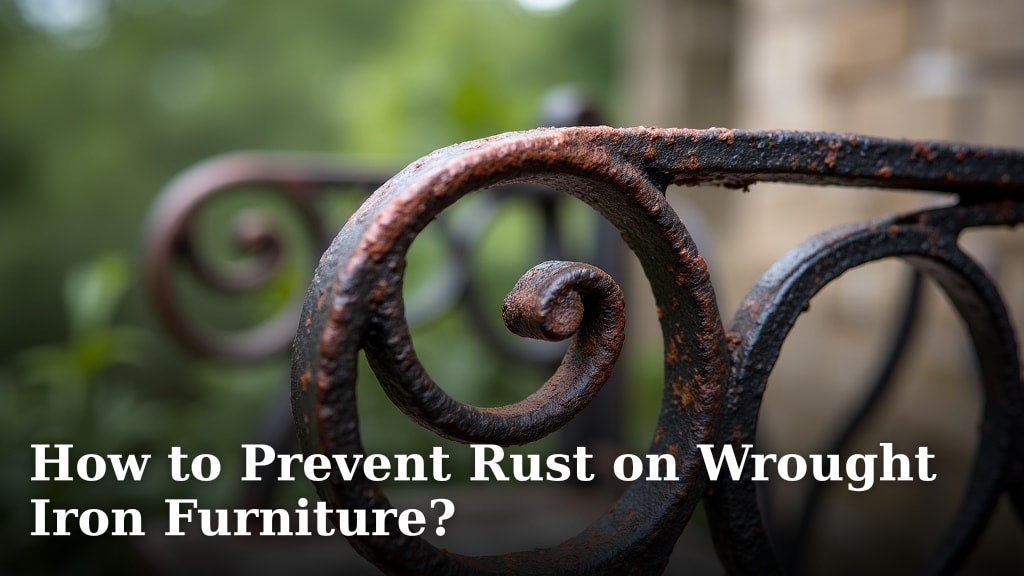
Wrought iron furniture is beautiful and strong, but it can rust if its protective coating is scratched or wears off.
You will often see rust spots where paint has chipped, letting moisture reach the metal.
Teak and Other Wood Furniture: Naturally Resilient
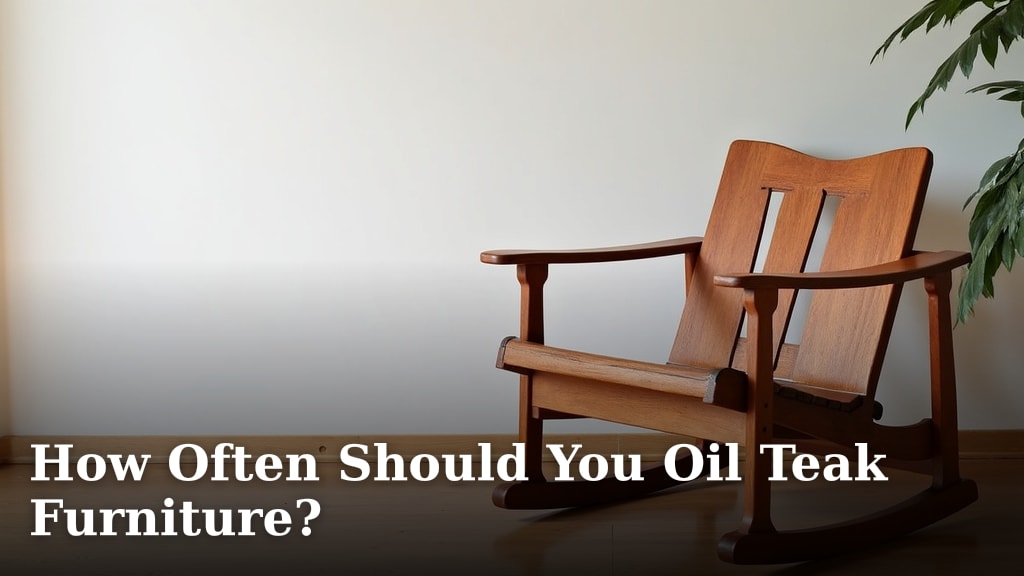
Teak wood is rich in natural oils, which make it highly resistant to water, rot, and insects.
Other woods like cedar and redwood also offer good water resistance, but all wood can gray or crack over time without maintenance.
Wicker and Rattan: Natural vs. Synthetic
Natural wicker and rattan are beautiful but not ideal for constant wetness; they can mold and weaken. Wicker needs special care around moisture; see whether wicker patio furniture can get wet.
Synthetic resin wicker, made from plastic, is very durable and much more resistant to moisture damage.
Fabric Cushions and Slings: The Spongy Suspects
Most outdoor cushions are made with quick-drying foam and water-resistant fabrics, like solution-dyed acrylics.
However, if they stay wet for too long, they can still develop mildew and odors. Even the best fabrics need to dry fully.
The Dangers of Persistent Dampness
It is not just a quick shower you need to worry about. Long-term dampness causes bigger headaches for your patio pieces.
Think about leaving a wet towel in a pile; things go south pretty fast, right?
Rust: The Iron’s Enemy
For metals like steel or wrought iron, rust is a huge problem. It weakens the structure and looks unsightly.
Once rust starts, it is tough to stop without thorough cleaning and re-sealing.
Mold and Mildew: The Green and Black Invaders
Mold and mildew thrive in damp, dark conditions. They are common issues for cushions, slings, and even wood.
These fungi not only look bad and smell musty but can also damage the material itself.
Warping and Cracking: Wood’s Water Woes
Wood furniture can warp, crack, or swell when repeatedly exposed to moisture followed by drying in the sun.
This expansion and contraction weaken the joints and ruin the finish, making your furniture look old before its time.
Fading: Sun and Water Combo
While not directly caused by water, the combination of moisture and sun can accelerate fading of fabrics and finishes.
The sun bleaches, and water can sometimes help strip away protective layers, making colors dull faster.
Protection Strategies: Keep Your Patio Pieces Dry
You can take proactive steps to protect your patio furniture from the elements. Prevention is always easier than repair.
Think of it like putting on a raincoat before you go outside in the drizzle.
Patio Furniture Covers: Your First Line of Defense
Using breathable, waterproof covers is one of the simplest and most effective ways to protect your furniture from rain.
We found that covers designed for outdoor furniture often have vents to prevent moisture buildup underneath.
Strategic Storage: When Rain Is Heavy
During heavy rain seasons or when you know a storm is coming, moving cushions or smaller pieces indoors is a wise idea.
If you have a garage or shed, this offers the ultimate protection from severe weather.
Water-Repellent Sprays and Sealants: An Extra Layer
For fabrics, applying a water-repellent spray can add an extra layer of protection, making water bead up and roll off.
For wood, specific sealants or oils can help maintain its natural water resistance and prevent warping.
Tilting and Draining: Simple Solutions
If your chairs or tables collect water, simply tilting them after a rain shower helps water drain away.
This prevents puddles from sitting on surfaces and seeping into materials.
What To Do When Your Furniture Gets Wet
So, the rain caught you by surprise, and everything is soaked. What next?
Don’t panic! There are easy steps you can take to minimize damage.
Here is a quick checklist for wet furniture:
- Wipe down frames to remove standing water.
- Stand cushions on their side to help them dry faster.
- Allow good airflow around all pieces.
- Use a fan for quicker drying in humid conditions.
- Check for any immediate signs of damage or rust.
Choosing Furniture for Your Climate
Where you live really influences the best choice for your patio furniture. A desert climate is very different from a coastal one.
Consider your local weather patterns before making a purchase.
| Climate Type | Common Weather | Recommended Materials | Care Tips |
|---|---|---|---|
| Humid/Rainy | Frequent rain, high humidity | Aluminum, synthetic wicker, teak | Use covers, elevate cushions, dry thoroughly |
| Arid/Dry | Low humidity, strong sun | Wrought iron, wood (with UV protectant) | Protect from intense sun, regular conditioning |
| Temperate | Varied, moderate rain/sun | Most materials with proper care | Seasonal covers, clean as needed |
Conclusion
Patio furniture is built to face the elements, and yes, it can get wet. For a related overview, read whether it is okay for patio furniture to get wet. The crucial distinction lies in how different materials handle that moisture.
From rust-resistant aluminum to natural teak, each material has its own reaction to rain and humidity, demanding different levels of care.
By understanding these differences, employing smart protective measures like covers and strategic storage, and performing timely maintenance, you can greatly extend the life and beauty of your outdoor living space.
Your furniture can truly brave the storm and keep looking great with a little thoughtful attention from you.
Frequently Asked Questions
Is “waterproof” patio furniture a real thing?
While many materials are highly water-resistant, truly 100% waterproof patio furniture is rare. Most outdoor pieces are designed to shed water and dry quickly, but prolonged immersion or constant dampness can still cause issues.
How long does it take for patio cushions to dry?
The drying time for patio cushions depends on their material, density, and weather conditions. Quick-drying foam and open-weave fabrics can dry in a few hours on a sunny, breezy day, but dense foam or humid conditions might take 24-48 hours or longer.
Can I leave my outdoor furniture out all winter?
Leaving outdoor furniture out all winter depends on your climate and the furniture material. In areas with harsh winters, covering furniture or storing it indoors is highly recommended to prevent damage from snow, ice, and extreme cold.
How do I remove mold or mildew from my patio furniture?
To remove mold or mildew, mix a solution of mild soap and water with a splash of white vinegar. Scrub the affected area with a soft brush, rinse thoroughly with clean water, and allow it to air dry completely in the sun.
Does water damage void patio furniture warranties?
Water damage, especially if it results from improper care or prolonged exposure not covered by standard use, can sometimes void warranties. Always check your furniture’s warranty details for specific coverage and care requirements.