Are Patio Furniture Cushions Waterproof?
Patio furniture cushions are generally not fully waterproof, but rather water-resistant, meaning they can repel light moisture for a time.
True waterproofing would require materials that prevent any water absorption, which is rare for standard outdoor cushions, making “water-resistant” a more accurate description for most patio furniture cushions.
TL;DR:
- Most patio cushions are water-resistant, not truly waterproof.
- Water-resistance helps against light rain but won’t prevent soaking in heavier downpours.
- The fabric type, density, and coatings determine how well a cushion resists water.
- Protect your cushions by using covers, bringing them inside, or choosing quick-dry options.
- Regular cleaning and maintenance extend the life and water-repelling properties of your cushions.
Are Patio Furniture Cushions Waterproof?
No, most patio furniture cushions are not truly waterproof in the strictest sense.
Instead, they are typically designed to be water-resistant, which offers a degree of protection against moisture.
Understanding Water-Resistant vs. Waterproof
Think of it like this: a raincoat is waterproof because it prevents almost all water from getting through. A water-resistant jacket might keep you dry in a light drizzle, but not in a downpour.
Patio cushions are usually the latter. They are made to shed water quickly, but given enough time or pressure, water will soak in.
Why Aren’t They Fully Waterproof?
Achieving true waterproofing often means sacrificing comfort and breathability. Imagine sitting on a sheet of plastic; it wouldn’t be very cozy, would it?
Manufacturers balance water protection with the need for a comfortable and inviting surface.
Common Fabrics and Their Water Resistance
The type of fabric plays a big role in how well your cushions handle water. We found that synthetic fibers are generally more effective at resisting moisture.
Let’s look at some common materials you’ll find for your outdoor living space.
- Acrylic: Often solution-dyed, acrylic fabrics like Sunbrella are known for their excellent fade and water resistance. They shed water well.
- Polyester: This is a popular and affordable choice. Polyester is naturally water-resistant, especially when treated with special coatings.
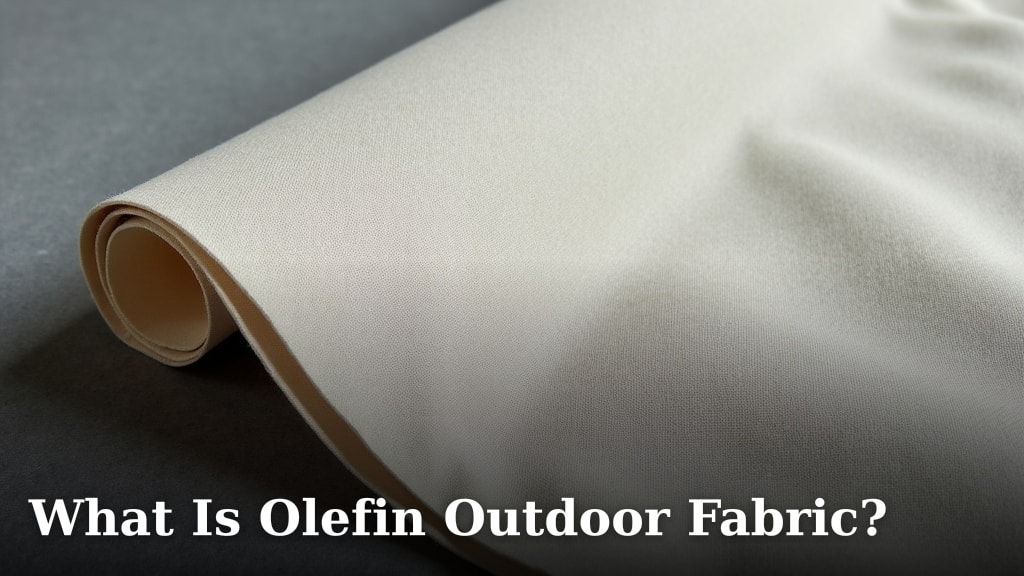
- Olefin: A synthetic fiber that’s good for outdoor use. Olefin is moisture-wicking and dries quickly, making it a strong contender for patio cushions.
- Cotton Blends: While comfortable, cotton absorbs water readily. Outdoor cushions with cotton often have a water-resistant treatment, but they won’t hold up like synthetics.
The Role of Coatings and Treatments
Many patio cushions come with an applied finish to boost their water resistance. These coatings create a barrier that makes water bead up and roll off the fabric.
Over time, these treatments can wear off, reducing the cushion’s ability to repel water. Regular maintenance helps to preserve this protective layer.
How Does Water Resistance Work?
It’s all about surface tension. The fabric fibers are woven tightly, and the coating reduces their ability to absorb water. Water molecules would rather cling to each other than stick to the fabric.
This is why you see water forming little beads on a newly treated cushion.
What Happens When Cushions Get Wet?
Even water-resistant cushions can become saturated. If they’re left in heavy rain or a very humid environment, water will eventually seep into the core foam.
This can lead to problems like mildew, mold, and a soggy, heavy cushion.
The Problem of Mold and Mildew
Once water gets inside and doesn’t dry out properly, you’re creating a perfect breeding ground for mold and mildew. These fungi not only look bad but can also cause unpleasant odors.
They can also damage the fabric and foam over time, shortening the life of your cushions.
Protecting Your Patio Cushions from Moisture
So, what can you do to keep your cushions dry and looking good? You have several practical options that can make a big difference.
Being proactive is key to maintaining their comfort and appearance for seasons to come.
| Protection Method | Description | Benefits |
|---|---|---|
| Patio Furniture Covers | Waterproof covers for entire furniture sets. | Comprehensive protection from rain, sun, dust. |
| Cushion Storage Bags | Individual, zippered bags for storing cushions. | Keeps cushions dry, clean, and safe when not in use. |
| Bringing Cushions Inside | Manually moving cushions indoors during bad weather. | Best protection, but requires more effort. |
| Water-Repellent Sprays | Aerosol treatments to refresh water resistance. | Easy to apply, extends life of original treatment. |
Choosing the Right Cushions for Your Climate
Your local weather conditions should definitely influence your cushion choices. Do you live where it rains often, or is it mostly sunny?
Consider cushions with quick-dry foam or mesh bottoms if you’re in a very wet area.
Quick-Dry Foam Explained
Some premium cushions use open-cell foam designed to drain water rapidly. This specialized foam allows air to circulate, helping it dry much faster than traditional foam cores.
We found that quick-dry options are a smart investment for rainy regions (Consumer Reports).
Maintaining Water Resistance Over Time
Even the best cushions need a little care. Regular cleaning and re-treating can help them perform their best against the elements.
Think of it as giving your cushions a spa day every now and then.
Here’s a simple checklist for maintaining your cushions:
- Regularly brush off dirt and debris to prevent buildup.
- Clean spills immediately with a mild soap and water solution.
- Ensure cushions are completely dry before storing them away.
- Apply a fabric water-repellent spray annually, especially after cleaning.
- Inspect for any signs of mold or mildew and address them quickly.
Conclusion
While most patio furniture cushions are not truly waterproof, their water-resistant qualities offer valuable protection against light rain and spills. Understanding the difference between waterproof and water-resistant helps you set realistic expectations.
By choosing the right fabrics, utilizing protective measures like covers, and performing regular maintenance, you can significantly extend the life and beauty of your cushions, ensuring they remain a comfortable and inviting part of your outdoor living space.
Are patio cushions fully weatherproof?
No, patio cushions are not fully weatherproof. They are typically designed to resist light rain and sun exposure but can still be damaged by extreme weather conditions like heavy storms, prolonged direct sunlight, or freezing temperatures without proper protection.
Can I leave my patio cushions outside all year?
It is generally not recommended to leave patio cushions outside all year, especially in regions with harsh winters or frequent heavy rainfall. Continuous exposure to the elements can lead to fading, mold growth, and breakdown of the fabric and foam, reducing their lifespan.
How often should I clean my water-resistant cushions?
Cleaning frequency depends on usage and environment. For general maintenance, a light cleaning every few weeks is good. A more thorough cleaning, perhaps with a mild detergent, should be done at least once a season or whenever noticeable dirt or stains appear.
Can I wash patio cushion covers in a washing machine?
Many patio cushion covers can be machine washed, but it’s crucial to check the care tag instructions for your specific cushions. Some require spot cleaning or hand washing, while others might tolerate a gentle cycle with cold water. Always air dry to prevent shrinkage or damage.
What is the best way to store patio cushions during winter?
The best way to store patio cushions for winter is to clean them thoroughly, ensure they are completely dry, and then place them in airtight, waterproof storage bags or containers. Store them in a dry, covered area like a garage, shed, or basement to protect them from moisture, pests, and extreme temperatures.