How To Care For Patio Furniture Cushions?
To care for patio furniture cushions, regularly brush off loose dirt, spot clean spills promptly with mild soap and water, and always ensure they dry completely to prevent mold and mildew growth.
Protecting your patio cushions from harsh weather and storing them properly during off-seasons will also significantly extend their lifespan and keep them looking fresh. For more ways to shield them, see our guide to protecting furniture cushions.
- Keep your patio cushions clean by brushing off debris often.
- Address spills immediately with a gentle soap solution.
- Always let cushions air dry fully to avoid moisture issues.
- Use protective covers or storage when not in use.
- Follow the care tag instructions for deeper cleaning methods.
How To Care For Patio Furniture Cushions?
Caring for patio furniture cushions involves regular cleaning and strategic protection to maintain their appearance and extend their usability. See our related guide to cleaning patio cushions.
You want your outdoor oasis to look inviting, right? Your cushions are key to that comfortable, stylish feel.
Why Regular Cushion Care Matters So Much
Think of your patio cushions as an investment. You picked them out carefully, envisioning relaxing afternoons.
Proper care means they’ll last longer, stay vibrant, and remain a hygienic place for you and your guests to unwind.
Many experts say that neglecting cushion care can lead to premature fading, mildew, and even structural damage over time.
Starting With the Basics: Daily & Weekly Habits
The easiest way to keep your cushions nice is through simple, consistent habits. It prevents small problems from growing.
Do you ever just brush off loose leaves and dust? This small step makes a big difference.
Here’s a quick checklist to keep things tidy:
- Brush off dirt and debris daily.
- Fluff cushions to maintain shape.
- Rotate cushions to ensure even wear.
- Check for minor spills and wipe immediately.
Spot Cleaning: Tackling Those Pesky Spills
Life happens, and spills are part of it. A dropped ice cream cone or a splash of soda doesn’t have to mean disaster.
The trick is to act fast. We found that the quicker you address a spill, the easier it is to remove.
Here’s what you do:
- Gently blot the spill with a clean cloth. Never rub, as this can spread the stain.
- Mix a small amount of mild dish soap with lukewarm water.
- Dab the solution onto the stain with a soft cloth.
- Rinse the area thoroughly by dabbing with a clean, damp cloth.
- Press out excess water and allow the cushion to air dry completely.
Deep Cleaning Your Cushions: When More is Needed
Sometimes, a simple spot clean isn’t enough. For stubborn grime or general refresh, you will need a deeper clean.
Always check your cushion’s care tag first. This tag is your best guide for specific washing instructions.
Washing Removable Covers
If your cushions have removable covers, you’re in luck. This makes deep cleaning much easier for you.
Many labels will suggest machine washing with cold water on a gentle cycle. Always use a mild detergent.
Avoid using bleach, as it can damage fabric fibers and color. Research often connects harsh chemicals with reduced fabric lifespan (American Textile Manufacturers Institute).
Cleaning Non-Removable Covers
For cushions where covers do not come off, you’ll need to clean them by hand. It takes a little more effort but is still very doable.
Use a soft brush or sponge with your mild soap and water solution. Gently scrub the entire surface.
Rinse thoroughly using a hose, ensuring all soap residue is gone. This is super important to avoid soap buildup.
The Golden Rule: Drying Your Cushions Properly
This step is probably the most important one. Improper drying is the number one cause of mold and mildew.
Always ensure your cushions are 100% dry before storing or putting them back on your furniture.
Lay them flat or stand them on their sides in a sunny, breezy spot. You can even prop them up to let air circulate underneath.
We found that using a fan can speed up drying time, especially on humid days. You don’t want any damp spots.
Protecting Your Cushions From the Elements
Your cushions spend a lot of time outdoors. They face sun, rain, and everything in between.
Protection is about being proactive, not reactive. It saves you from constant cleaning and potential damage.
Using Outdoor Furniture Covers
When you’re not using your patio, especially overnight or during bad weather, covers are a game-changer.
They act as a shield, protecting your cushions from rain, UV rays, and even bird droppings. It’s like putting a blanket on your furniture.
Waterproofing Sprays: An Extra Layer of Defense
For an added boost, consider using a fabric protector spray. These sprays create a barrier against moisture and stains.
Many experts suggest reapplying these sprays yearly, especially on heavily used cushions. Always test on a small, hidden area first.
Storing Cushions for the Off-Season
When winter arrives or you know your patio won’t be used for months, proper storage is crucial. Don’t just toss them in a corner.
Clean and dry all cushions thoroughly before storage. This prevents any trapped moisture from creating mildew.
Store them in a cool, dry place like a shed, garage, or even indoors if you have the space. Use breathable storage bags if possible.
Understanding Different Fabric Types for Better Care
Not all cushion fabrics are the same. Knowing what your cushions are made of helps you care for them better.
Here’s a simple look at common types and what they prefer:
| Fabric Type | Key Characteristics | Care Tips |
|---|---|---|
| Acrylic (e.g., Sunbrella) | Resistant to fading, mildew, and water. Very durable. | Easy to clean with mild soap. Air dry thoroughly. |
| Polyester | Affordable, moderately fade-resistant, quick-drying. | Gentle washing, avoid harsh scrubbing. Good for light use. |
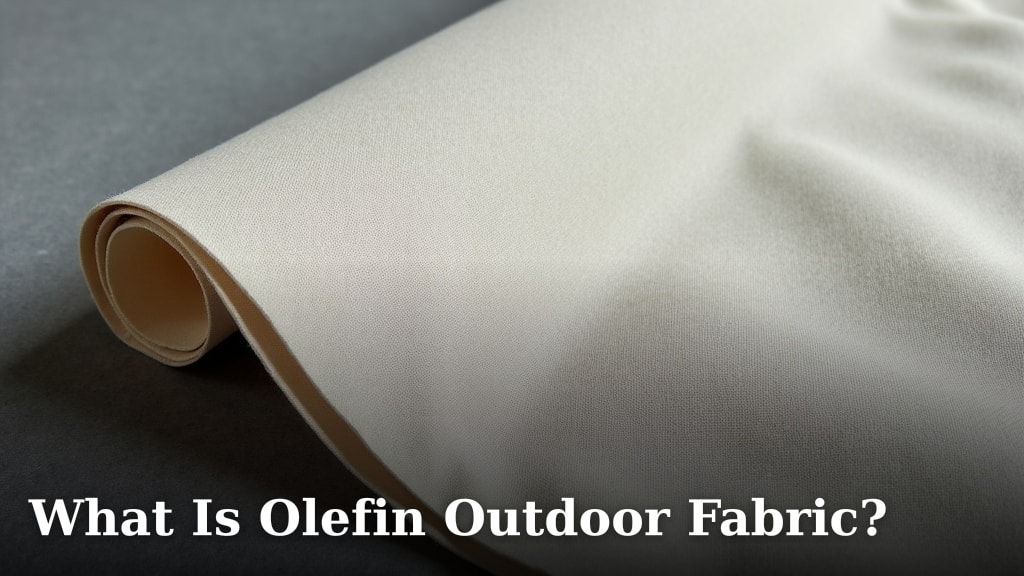
| Olefin | Strong against fading and chemicals, quick-drying. | Wipes clean easily. Air dry, avoids direct heat. |
| Cotton Blends | Soft, comfortable, but less resistant to weather. | Best for covered patios. Needs frequent cleaning and drying. |
Dealing With Common Cushion Problems
Even with the best care, sometimes problems pop up. Don’t worry, there are solutions.
Fading Colors
UV rays are the main culprit for fading. Use covers and UV protection sprays.
If colors have already faded, consider fabric dyes specifically designed for outdoor use. Many experts suggest this can bring life back to old cushions.
Mold and Mildew
If you see black spots, that’s mildew. Mix one cup of bleach with one gallon of water (for bleach-safe fabrics only).
For non-bleach fabrics, use a solution of white vinegar and water. Scrub gently, rinse well, and dry completely.
Small Tears or Rips
Don’t let a small tear become a big one. You can often patch these with outdoor fabric repair kits.
These kits usually come with adhesive patches that are weather-resistant and easy to apply.
Conclusion
Taking care of your patio furniture cushions isn’t a chore; it’s an act of preserving your outdoor comfort and style. From daily brushing to strategic storage, each step plays a part.
With a little consistent effort, your cushions will remain vibrant, inviting, and ready for countless hours of relaxation. Enjoy your beautiful patio space!
How often should I clean my patio cushions?
For general maintenance, brush off dirt weekly and spot clean spills immediately. A deeper clean, like washing covers, should be done at least once a season or more often if used frequently or if they get very dirty.
Can I put my patio cushions in the washing machine?
It depends on the cushion. Always check the care tag. Many removable covers are machine washable on a gentle cycle with cold water, but the inner foam core should almost never be machine washed. For non-removable covers, hand washing is usually the way to go.
What is the best way to prevent mold on patio cushions?
The best way to prevent mold and mildew is to ensure cushions dry completely after any moisture exposure. Store them indoors or under protective covers during rain or when not in use for extended periods. Good air circulation also helps.
Should I use fabric protector sprays on my cushions?
Yes, fabric protector sprays can add an extra layer of defense against water and stains, helping to keep your cushions cleaner and drier. Many experts suggest reapplying them annually, especially for cushions exposed to a lot of weather.
How can I refresh faded patio cushions without buying new ones?
You can often refresh faded patio cushions using outdoor fabric dyes. These are designed to restore color and are usually UV-resistant. Make sure to choose a dye suitable for your cushion’s fabric type and always test it on a small, hidden area first.