Can Patio Chairs Be Repaired?
Yes, many patio chairs can indeed be repaired, extending their lifespan and saving you money compared to buying new ones.
From frame issues like rust to worn-out slings and broken straps, various common damages are often fixable with the right approach and materials.
- Repairing patio chairs is often a cost-effective and sustainable choice.
- Most common issues, like rust, fabric tears, or loose joints, are fixable.
- You can choose DIY repairs for simple tasks or hire professionals for complex damage.
- Knowing when to repair versus replace saves money and reduces waste.
- Preventative maintenance is key to making your repairs last longer.
Can Patio Chairs Be Repaired?
Absolutely, repairing your patio chairs is often a smart and viable option. Think of it as giving your outdoor furniture a second chance. Instead of tossing them, you can often bring them back to life with a little effort.
Many experts we found agree that minor to moderate damage on patio chairs is surprisingly repairable, offering a great alternative to costly replacements.
Why Choose to Repair Your Patio Chairs?
Why bother with repairs when new chairs are just a click away? Well, there are several compelling reasons. You might be surprised by how much you can save and the good you can do for your wallet and the planet.
Perhaps you have a set of chairs that you absolutely love. Maybe they were a gift, or you just adore their style. Replacing them would mean losing that sentimental connection.
Cost Savings in Your Pocket
Let’s be honest, new patio furniture can be expensive. Repairing often costs a fraction of buying a whole new set. You can fix specific issues without committing to a large expenditure.
We found that replacing a torn sling, for instance, is far cheaper than purchasing a brand-new chair. This is especially true if the frame is still sturdy and in good condition.
A Sustainable Choice for the Planet
Every item we repair rather than replace helps reduce landfill waste. Giving your chairs a new life is an eco-friendly decision.
It cuts down on the demand for new manufacturing, which often uses resources and energy. Repairing is a small but significant step towards a greener lifestyle (EPA).
Maintaining Sentimental Value
Do you remember where you bought those chairs? Maybe they’ve been with you through countless backyard barbecues. Some items hold special memories and personal value.
Repairing them means you get to keep those cherished pieces right where they belong, adding character to your outdoor space.
Common Problems with Patio Chairs You Can Fix
Patio chairs face a lot of wear and tear. They sit out in the sun, rain, and wind. Over time, things break, fade, or rust. But don’t worry, most issues have practical solutions.
Understanding what usually goes wrong helps you decide if a repair is possible. We’ve seen a variety of problems, and many are surprisingly simple to tackle.
Frame Issues: Rust and Bends
Rust is a common enemy for metal patio chairs. It appears as reddish-brown flakes and can weaken the chair’s structure. Small rust spots can often be treated.
Slightly bent frames, especially in aluminum chairs, can sometimes be carefully straightened. However, severe bends might compromise safety, so always prioritize stability.
Fabric Tears and Fading Slings
Sling chairs are popular, but their fabric slings can rip, fray, or fade from sun exposure. This is one of the most common and fixable problems.
You can often find replacement sling material online or at specialty stores. Swapping out a sling can make an old chair look brand new.
Broken Straps or Lacing
Vinyl strap chairs often suffer from brittle, cracked, or broken straps. The sun and age are usually to blame. These chairs rely on many individual straps for support.
Fortunately, replacing individual straps or even re-lacing an entire chair is a manageable DIY project. Kits are readily available, making it straightforward.
Wicker Damage and Loose Weaves
Whether it’s natural rattan or synthetic resin wicker, individual strands can break, unravel, or become brittle. This leaves gaps and weak spots in the weave.
Small areas of wicker can be patched or re-woven. Specialized repair kits exist to help you match colors and textures for a seamless fix.
Cushion Wear and Tear
While not part of the chair’s structure, worn-out cushions detract from comfort and appearance. Faded fabric, flattened foam, or mold can make sitting unpleasant.
You can replace just the cushion covers, or for more serious issues, replace the entire cushion insert. This dramatically improves comfort and aesthetics without a full chair replacement.
DIY Repairs vs. Professional Services
When facing a broken patio chair, you have a choice: tackle it yourself or call in the pros? Both options have their benefits and drawbacks. Your decision often depends on the severity of the damage and your comfort level with tools.
Many experts suggest that simpler repairs are perfectly suited for a DIY approach, while complex structural issues might need a professional touch (HomeAdvisor).
| Repair Type | DIY Suitability | Professional Service |
|---|---|---|
| Minor Rust Removal | High (sanding, painting) | Low (simple fix) |
| Replacing Chair Slings | Medium (requires patience) | High (precise cuts, tension) |
| Broken Vinyl Straps | High (easy to replace) | Medium (if many straps) |
| Tightening Loose Joints | High (basic tools) | Low (unless frame bent) |
| Wicker Re-weaving | Medium (small areas) | High (extensive damage) |
| Major Frame Bends | Low (safety risk) | High (specialized tools) |
Essential Tools for Patio Chair Repair
Having the right tools makes any repair job easier and safer. You don’t need a full workshop, but a few basic items will get you started. Often, you might already own many of these.
Gathering your tools before you start saves time and frustration. It’s like preparing for a recipe; you want all your ingredients ready. Here’s a quick checklist:
- Gloves for protection
- Screwdriver set (Phillips and flathead)
- Wrenches or an adjustable wrench
- Sandpaper (various grits for rust)
- Wire brush for rust removal
- Utility knife or scissors
- Measuring tape
- Rubber mallet (for gentle persuasion)
- Safety glasses
When is Repair Not the Best Option?
While many chairs can be repaired, there are times when it’s just not worth the effort or cost. Knowing when to let go is just as important as knowing when to fix. Your safety and budget are key considerations here.
Sometimes, the damage is too extensive, or the repair cost outweighs buying something new. It’s about making a practical decision for your outdoor space.
Compromised Structural Integrity
If the main frame of a chair is severely rusted through, cracked, or bent in multiple places, its structural integrity might be compromised. This means it could be unsafe to sit on.
A chair that wobbles excessively even after tightening, or one with a visibly weak frame, might be beyond safe repair. Always prioritize safety over aesthetics.
Cost of Repair Exceeds Replacement
Sometimes, sourcing specialized parts or paying for extensive professional labor can become more expensive than simply buying a new chair. Always get a quote if considering professional services.
Do a quick search for replacement chairs to compare costs. If a new chair is only slightly more than the repair, it might be a better long-term investment.
Availability of Parts
For older or unique chairs, finding specific replacement parts like proprietary slings, specialized hardware, or matching wicker strands can be very difficult. Without the right parts, repair becomes impossible.
Check online retailers and specialty patio furniture stores. If you consistently hit dead ends, it might be time to consider other options.
Preventative Maintenance: Keep Your Chairs Strong
The best repair is often the one you never have to make. A little preventative maintenance goes a long way in extending the life of your patio chairs. It’s like routine car maintenance; small steps prevent big problems.
Taking a few minutes regularly can save you hours of repair work later. We found this practice to be highly recommended by outdoor furniture experts.
- Clean Regularly: Wipe down chairs with mild soap and water to remove dirt, pollen, and grime that can trap moisture and cause damage.
- Protect from Elements: Use furniture covers during harsh weather or off-season. Store cushions indoors to prevent fading and mildew.
- Tighten Fasteners: Periodically check and tighten all screws, bolts, and nuts. Loose connections can lead to wobbles and bigger structural issues.
- Inspect for Rust: For metal frames, look for early signs of rust. Treat small spots immediately with a wire brush and rust-inhibiting paint.
- Rotate Chairs: If some chairs get more sun exposure, rotate them periodically to ensure even wear and tear on fabric and finishes.
- Lubricate Moving Parts: For chairs with folding mechanisms or swivels, a silicone-based lubricant can keep them moving smoothly and prevent seizing.
Conclusion
Repairing your patio chairs is often a rewarding and practical endeavor. It saves you money, supports sustainability, and allows you to keep beloved pieces in your outdoor space. From addressing rust and fabric tears to replacing broken straps, most common issues have a fix.
While some repairs are perfect for a DIY weekend, don’t hesitate to seek professional help for more complex or safety-critical issues. By understanding when to repair and how to maintain your chairs, you can enjoy them for many more seasons to come. Your outdoor oasis deserves strong, comfortable seating!
Can I paint my patio chairs to cover rust?
Yes, you can paint patio chairs to cover rust, but proper preparation is key. First, remove as much rust as possible using a wire brush or sandpaper. Then, apply a rust-inhibiting primer before using an outdoor-grade paint. This ensures the paint adheres well and prevents rust from returning quickly.
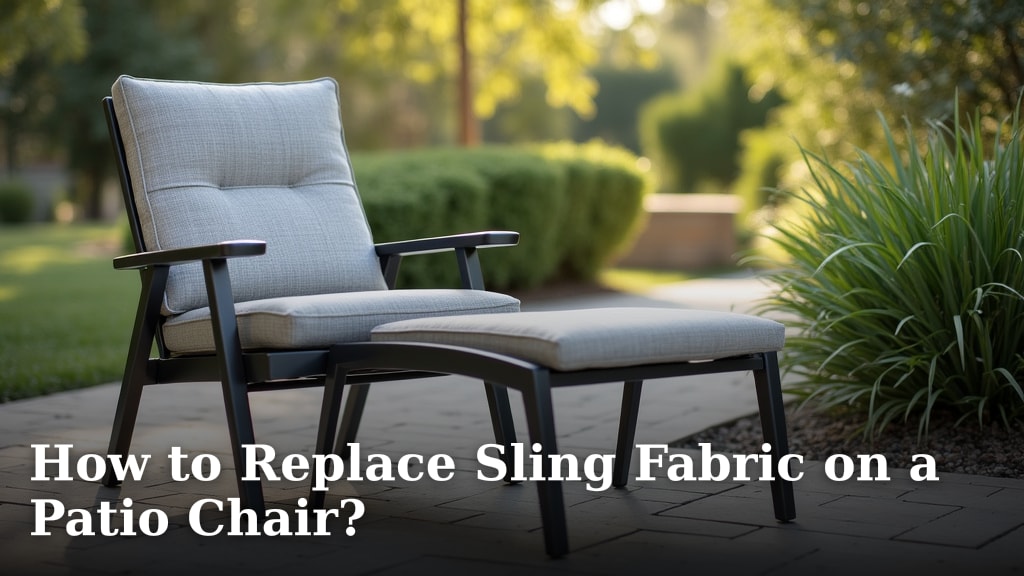
How do I replace the fabric sling on a patio chair?
Replacing a fabric sling involves removing the old sling, often by disassembling parts of the chair frame. You’ll then cut new sling fabric to size, insert spline rods into the fabric edges, and slide these into the grooves on the chair frame. Specialized tools or a professional might be needed for very tight fits or specific chair designs.
Are replacement parts for all patio chair brands available?
No, replacement parts are not universally available for all patio chair brands. Major brands often offer parts for popular models, but for older or lesser-known brands, finding exact matches can be challenging. Generic parts like screws, bolts, or universal sling material are often easier to source.
What kind of adhesive should I use for wicker repair?
For wicker repair, especially for synthetic resin wicker, a strong, flexible, and weather-resistant adhesive is best. Look for glues designed for plastics, outdoor use, or specific wicker repair kits. Epoxy or marine-grade adhesives are often good choices for their durability and waterproof properties.
How often should I clean my outdoor patio furniture?
You should aim to clean your outdoor patio furniture at least two to four times a year, depending on your climate and how much it’s exposed to dirt and weather. A thorough cleaning at the beginning and end of the season, plus occasional spot cleaning, helps prevent buildup and prolongs the life of your chairs.