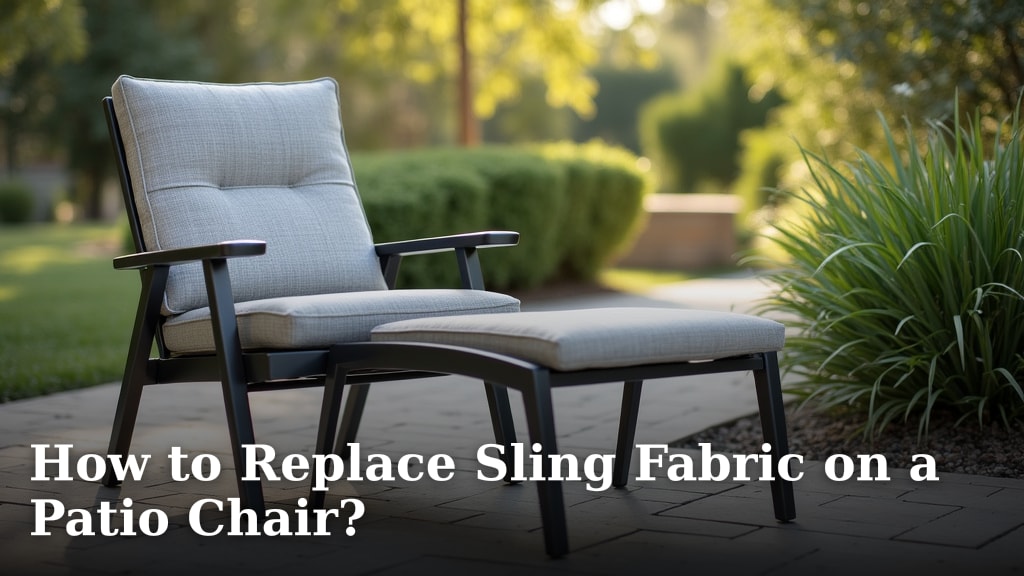
How To Repair Patio Chair Fabric?
You can effectively repair patio chair fabric by assessing the damage, cleaning the area thoroughly, and applying a suitable fabric repair patch with a strong, weather-resistant adhesive. Small tears are often simple to fix, extending the life of your beloved outdoor furniture.
For more extensive damage, like large rips or a deteriorating sling, consider replacing the entire fabric panel rather than attempting a complex repair, ensuring both durability and a fresh look for your patio chairs.
- Assess damage: Small tears and fraying are often repairable with patches.
- Gather supplies: You will need fabric adhesive, repair patches, and cleaning tools.
- Clean first: A clean surface ensures better adhesion for any repair work.
- Larger issues: For big rips, full fabric replacement is often the best solution.
- Protect your efforts: Regular cleaning and covers can extend the life of your repairs.
How To Repair Patio Chair Fabric?
You can repair patio chair fabric by cleaning the damaged area, applying a suitable fabric patch with strong adhesive, or by completely replacing the sling material for extensive tears. Many small imperfections are quite fixable with the right approach.
Why Does Patio Chair Fabric Get Damaged?
Have you ever wondered why your patio chair fabric seems to wear out so quickly? It is not just bad luck. Outdoor furniture faces a tough life, constantly exposed to elements that break down fabric over time. Understanding these challenges helps us choose the best repair method.
Common Causes of Wear
The sun’s ultraviolet (UV) rays are a major culprit, causing fabric to fade, weaken, and become brittle (NIH). Think of it like a constant sunburn for your chairs. Rain, humidity, and even morning dew can lead to mildew and rot if fabric stays wet. We have found that regular use also contributes, with friction and stretching causing fibers to fray and tear.
Can Your Fabric Be Repaired?
Before you grab your tools, take a moment to evaluate the damage. Not every tear or fray calls for the same fix. Is it a tiny pinhole, a long rip, or just general weakening? Your assessment here is key to a successful repair.
Assessing the Damage
Small tears, snags, or fraying edges are often great candidates for patching. If the tear is larger than a few inches, or if the fabric feels brittle and weak all over, patching might only be a temporary solution. Many experts say that trying to patch extensively damaged areas can sometimes worsen the problem.
Knowing Your Fabric Type
Patio chairs come with various fabric types, and each responds differently to repair. Sling chairs often use PVC-coated polyester mesh, which is durable but can fray. Woven acrylic or olefin fabrics are more like indoor upholstery, requiring different adhesives or stitching. Identifying your fabric helps you choose the right patch and adhesive.
Essential Tools and Materials You Will Need
Ready to get started? Having the right supplies at hand makes the repair process much smoother. Think of it like a mini-project for your outdoor space. Here’s a quick checklist to get you organized:
- Fabric repair adhesive (weather-resistant)
- Fabric patches (matching color/material if possible)
- Sharp scissors or a utility knife
- Clean cloths or sponges
- Mild soap and water
- Rubbing alcohol (for cleaning)
- Measuring tape (for larger repairs or replacements)
- Optional: Sewing kit (heavy-duty needle, thread)
Step-by-Step Guide: Patching Small Tears
Patching is your best friend for those annoying small tears and snags. It is a straightforward process that can give your chair fabric a significant extension of life. Let’s walk through it together.
Prepare the Area
First, you need a clean slate. Use mild soap and water to thoroughly clean the damaged area and the surrounding fabric. Rinse it well and let it dry completely. We found that a quick wipe with rubbing alcohol before patching can remove any stubborn residues, ensuring better adhesive bonding.
Apply the Patch
Cut your patch slightly larger than the tear, making sure it overlaps the damage by at least an inch on all sides. Apply a thin, even layer of your chosen fabric adhesive to the back of the patch. Carefully place the patch over the tear, pressing down firmly from the center outwards to smooth out any air bubbles. Many guidelines point to applying pressure for several minutes and letting it cure for at least 24 hours (manufacturer instructions are your best guide).
Tackling Larger Rips: A More Involved Fix
What if your tear is more than just a small snag? Larger rips require a bit more attention, but they are still often repairable. This approach requires a bit more care to ensure the repair holds up against the elements.
Consider Reinforcement
For larger rips, especially in sling fabric, you might need to reinforce the edges before patching. You can do this by stitching the torn edges together loosely with a strong thread before applying the patch. This creates a stronger foundation for the patch, helping to distribute tension more evenly. Some people also apply adhesive to the torn edges directly before patching for extra strength.
Replacing Sling Fabric: When Repair Isn’t Enough
Sometimes, a patch just will not cut it. If your patio chair fabric is severely damaged, brittle, or has multiple large tears, a full fabric replacement might be the most practical and aesthetically pleasing solution. This is especially true for sling chairs.
Measuring and Removing the Old
Start by carefully removing the old fabric. Many sling chairs have channels where the fabric slides into the frame. Measure the old fabric precisely before discarding it, or measure the frame dimensions according to the new fabric supplier’s instructions. We found that exact measurements are critical for a snug, professional-looking fit.
Installing the New Fabric
Installing new sling fabric involves sliding the fabric into the channels of the chair frame. This often requires patience and sometimes a bit of force, or a specialized tool like a spline roller, especially for tight fits. It is a bit like putting a puzzle together, but the result is a chair that looks brand new! Many manufacturers provide specific installation guides for their replacement fabrics.
Tips for Extending Fabric Life After Repair
You have put in the work, now let’s protect your investment! A few simple habits can significantly prolong the life of your newly repaired or replaced patio chair fabric.
Consider these proactive steps:
| Tip Category | Action | Benefit |
|---|---|---|
| Cleaning | Regularly wipe down with mild soap and water. | Prevents dirt buildup, mildew, and stains. |
| Drying | Ensure fabric dries completely after rain or cleaning. | Stops mold and mildew growth, fabric deterioration. |
| Protection | Use patio furniture covers during harsh weather or off-season. | Shields from UV damage, rain, and debris. |
| Storage | Store indoors during winter or extreme conditions. | Extends overall fabric lifespan significantly. |
DIY vs. Professional Repair: Making the Right Choice
Should you tackle this yourself, or call in a professional? This is a common question, and the answer often depends on the extent of the damage, your comfort level with DIY projects, and your budget.
For small patches and basic sling replacements, many people find DIY to be a rewarding and cost-effective option. You save money and gain the satisfaction of doing it yourself. However, for complex patterns, specialized fabrics, or repairs that require precise stitching or frame adjustments, a professional upholstery or patio furniture repair service might be a better choice. They often have the specialized tools and expertise to ensure a perfect, long-lasting finish.
Conclusion
Repairing patio chair fabric is a manageable task that can breathe new life into your outdoor seating. Whether you are patching a small tear or replacing an entire sling, the right approach and a little patience can save you from buying new furniture. Remember to always clean the area, choose appropriate materials for your fabric type, and consider protective measures to keep your repairs lasting longer. Your patio chairs will thank you, and you will enjoy your outdoor oasis even more.
How do I prevent patio chair fabric from tearing in the first place?
You can prevent patio chair fabric from tearing by consistently cleaning it, using outdoor furniture covers during harsh weather or off-season, and storing chairs indoors when not in use for extended periods. Avoiding abrasive cleaners also helps maintain fabric integrity.
What kind of adhesive is best for outdoor fabric repairs?
For outdoor fabric repairs, the best adhesive is a strong, flexible, and weather-resistant fabric glue designed for outdoor use. Look for products that are waterproof and UV-resistant to ensure durability against sun and rain.
Can I machine wash patio chair fabric after a repair?
After a repair, it is generally safer to hand wash the repaired area or spot clean it rather than machine washing, especially if you used adhesive. Machine washing can stress the repaired seam or patch, potentially causing it to fail. Always check the adhesive manufacturer’s recommendations.
How long do patio chair fabric repairs typically last?
The lifespan of a patio chair fabric repair varies depending on the extent of the original damage, the quality of materials used, and subsequent exposure to elements. Small, well-executed patches can last several seasons with proper care, while larger repairs might be more temporary.
Is it cheaper to repair or replace patio chair fabric?
For minor damage like small tears, repairing patio chair fabric is significantly cheaper than replacing the entire chair or even just the fabric sling. However, for extensive damage or if the fabric is old and brittle, replacing the fabric, or even the whole chair, might be more cost-effective in the long run.