How To Sew Patio Cushions?
On this page (6 sections)
To sew patio cushions, you need outdoor fabric, appropriate foam, a sewing machine, and basic sewing supplies. Begin by measuring your existing cushions or the furniture space to determine the fabric and foam dimensions.
The core process involves cutting fabric pieces, adding zippers or closures, stitching them together to form a cover, inserting the foam, and finishing the seams for a durable outdoor cushion.
For those looking for a quick overview of sewing patio cushions, here’s what you need to know:
- Gather your materials like outdoor fabric, foam, thread, and a sturdy sewing machine.
- Measure carefully to ensure your cushions fit your patio furniture perfectly.
- Cut your fabric pieces, remembering to add seam allowances for clean edges.
- Assemble the cushion cover, often including a zipper for easy foam insertion and removal.
- Stitch with strong, weather-resistant thread to ensure longevity outdoors.
How To Sew Patio Cushions?
Learning how to sew patio cushions can transform your outdoor living space. You can create custom looks, refresh old furniture, and save money compared to buying new.
We found that sewing your own cushions allows for endless design possibilities and often results in a more durable product tailored to your specific needs.
Why Make Your Own Patio Cushions?
Have you ever struggled to find the perfect color or size cushion? Many experts say that DIY cushions offer unmatched customization.
You control the fabric choice, foam density, and even unique shapes. This means your patio can truly reflect your personal style and comfort preferences.
Saving Money and Getting Creative
Making cushions yourself can often be more cost-effective than purchasing ready-made ones. Plus, it’s a wonderfully rewarding creative project.
Think of it as choosing your own adventure for your outdoor decor. You’re the designer, picking every detail.
Gathering Your Supplies: The Foundation of Your Project
Before you even think about threading a needle, let’s talk about what you will need. Having everything ready saves time and frustration.
We found that a well-organized workspace makes the entire sewing process much smoother, like a chef with all their ingredients prepped.
Essential Materials for Durable Cushions
Selecting the right materials is the first step toward long-lasting, beautiful patio cushions. Don’t skimp here; quality matters for outdoor items.
Many experts emphasize using fabrics designed to withstand the elements (Outdoor Fabric Council).
Picking the Perfect Outdoor Fabric
Your fabric choice is key. Look for materials labeled “outdoor” or “marine grade.” These fabrics resist fading, mildew, and water.
Acrylic fabrics like Sunbrella are popular for their durability. Polyester blends can also work, often at a lower cost.
Choosing Your Cushion Foam
The foam determines comfort and how well your cushion holds its shape. High-density outdoor foam is ideal.
Many guides suggest foam with a density of 1.8 to 2.0 pounds per cubic foot for good support and longevity.
Tools You Will Need for Sewing Patio Cushions
Think of your tools as your trusty sidekicks. A good sewing machine is a must, but other items are equally important.
Having the right equipment on hand prevents those annoying pauses where you have to stop and search.
- Sewing machine (heavy-duty recommended)
- Sharp fabric scissors or rotary cutter
- Measuring tape and ruler
- Fabric marker or tailor’s chalk
- Pins or fabric clips
- Upholstery thread (UV-resistant polyester)
- Zipper (heavy-duty outdoor grade)
- Optional: Serger for finished seams
Measurements and Cutting: Precision is Your Friend
Accuracy here prevents wonky cushions. “Measure twice, cut once” is a sewing mantra for a good reason.
A little extra care now prevents big headaches later, saving you fabric and effort.
How to Measure Your Patio Furniture
Measure the length, width, and thickness of the area where your cushion will sit. If replacing an old cushion, measure that directly.
Remember to add a seam allowance to all your fabric dimensions. We found that a 1/2-inch seam allowance works well for most projects.
Cutting Your Fabric Pieces
Lay your fabric flat and smooth. Use your measurements to mark out the top, bottom, and side panels for your cushion.
A rotary cutter with a mat can give you very straight, clean cuts. Be precise; your finished cushion depends on it.
The Sewing Process: Bringing Your Cushion to Life
Now for the fun part: putting it all together! This is where your vision starts to become a tangible comfort item.
Don’t be afraid to take your time. Sewing is a skill that improves with practice and patience.
Assembling Your Cushion Cover: Step-by-Step
Let’s walk through the main steps to create a sturdy and attractive cushion cover.
This general approach works for many square or rectangular cushion styles.
Here’s a quick checklist to guide you:
- Attach the zipper to one of the long side panels.
- Sew the remaining side panels together to form a loop.
- Attach the side panel loop to the top fabric piece.
- Attach the bottom fabric piece to the remaining open side of the loop.
- Finish all raw edges to prevent fraying and add durability.
- Insert your foam cushion through the zipper opening.
Tips for Professional-Looking Seams
Clean seams make all the difference. Consider using a serger if you have one for a truly finished edge.
If not, a zigzag stitch or pinking shears on your sewing machine can help prevent fraying (Singer sewing guides).
| Cushion Part | Description | Seam Allowance |
|---|---|---|
| Top Panel | The main surface of the cushion | Add 1/2 inch all around |
| Bottom Panel | The underside of the cushion | Add 1/2 inch all around |
| Side Panels (Box Strips) | Forms the thickness of the cushion | Add 1/2 inch to all edges |
| Zipper Panel | Often one of the side panels | Factor in zipper width + 1/2 inch |
Final Touches and Maintenance
You’ve sewn your beautiful patio cushion! Now, a few last steps ensure it looks great and lasts a long time.
Proper care will extend the life of your new outdoor comfort statement.
Inserting the Foam and Closing Up
Carefully insert your foam into the newly sewn cover. It might be a snug fit, but that’s good for a firm cushion.
Smooth out the foam, then zip up your cushion cover. Stand back and admire your handiwork!
Caring for Your Hand-Sewn Cushions
Even with outdoor fabric, a little care goes a long way. Many experts recommend cleaning your cushions regularly (Outdoor Living Today).
Brush off loose dirt, spot clean with mild soap and water, and allow them to air dry completely.
Conclusion
Sewing your own patio cushions is a rewarding project that offers endless customization and can save you money. By choosing the right materials, measuring carefully, and following basic sewing steps, you can create durable and beautiful cushions that enhance your outdoor space.
The sense of accomplishment from a handmade project, especially one that adds comfort to your home, is truly special. So, gather your supplies and start stitching your way to a cozier patio!
Can I use regular fabric for patio cushions?
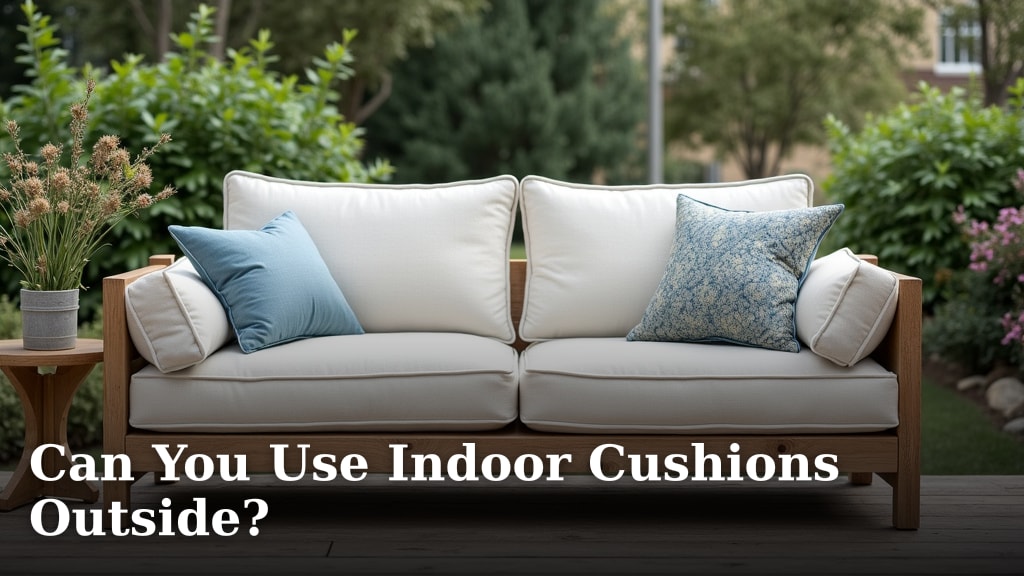
While you technically can, regular indoor fabric is not recommended for patio cushions. It will quickly fade in the sun, degrade from moisture, and is prone to mildew. Outdoor-specific fabrics are treated to resist these elements.
What kind of thread should I use for outdoor cushions?
You should always use a strong, UV-resistant polyester thread for outdoor cushions. Cotton or regular all-purpose thread will weaken and break down quickly when exposed to sunlight and weather, causing your seams to come apart.
How do I make a pattern for a custom-shaped patio cushion?
For custom shapes, trace the outline of your furniture’s seat or back directly onto paper, like kraft paper or butcher paper. Add your desired seam allowance around the entire traced shape. This creates your pattern for the top and bottom pieces.
Is it hard to sew a zipper into a cushion cover?
Sewing a zipper might seem intimidating, but it’s a very manageable step for a beginner. Using a zipper foot on your sewing machine makes it much easier to sew close to the zipper teeth for a clean finish. Many online tutorials offer excellent visual guidance.
How can I prevent my patio cushions from getting moldy?
To prevent mold and mildew, ensure you use outdoor fabric, UV-resistant thread, and outdoor-grade foam. Regularly clean your cushions, allow them to dry completely after rain, and store them in a dry place or use waterproof covers during extended periods of bad weather or non-use.