Can You Leave Metal Patio Furniture Outside In The Winter?
On this page (4 sections)
No, leaving most metal patio furniture outside in winter is not ideal without proper protection.
Harsh winter conditions can cause rust, cracking, and structural damage to your metal pieces, making winterizing a smart move.
- Unprotected metal furniture can suffer significant harm from cold and moisture.
- Different metal types, like aluminum or wrought iron, react uniquely to winter elements.
- Rust and corrosion are primary threats, especially for steel and iron pieces.
- Thorough cleaning, covering with a quality cover, or storing indoors prevents damage.
- Investing time in proper winter care extends your furniture’s life and maintains its appearance.
Can You Leave Metal Patio Furniture Outside In The Winter?
Generally, it is best to avoid leaving metal patio furniture exposed to winter’s elements. Cold, moisture, and ice can cause significant harm over time.
Why Exposing Your Metal Furniture to Winter is Risky
You might think your sturdy metal pieces can handle anything. But winter presents a unique set of challenges. Repeated freezing and thawing cycles can stress materials.
Rust and corrosion are major concerns, particularly for iron and steel. Even aluminum can suffer cosmetic damage from consistent exposure (Purdue University Extension).
Paint and powder coatings can crack or peel in extreme cold. This exposes the bare metal, inviting quicker deterioration. Think of it like leaving your car unprotected in a blizzard.
Different Metals, Different Risks in Winter
Not all metal furniture is created equal when it comes to winter resilience. Each type has its own vulnerabilities and strengths. Understanding these differences helps you decide the best care.
Aluminum Furniture in Winter
Aluminum is known for its natural resistance to rust. This makes it a popular choice for outdoor settings. However, it’s not entirely immune to winter’s effects.
While it won’t rust, extreme cold can make its finish brittle. This might lead to chipping or flaking over time. Its lightweight nature also makes it susceptible to strong winter winds.
Many experts say strong winds can easily tip over lighter aluminum furniture. You should secure it or move it to a sheltered spot, even if you are just covering it (National Weather Service).
Wrought Iron Furniture in Winter
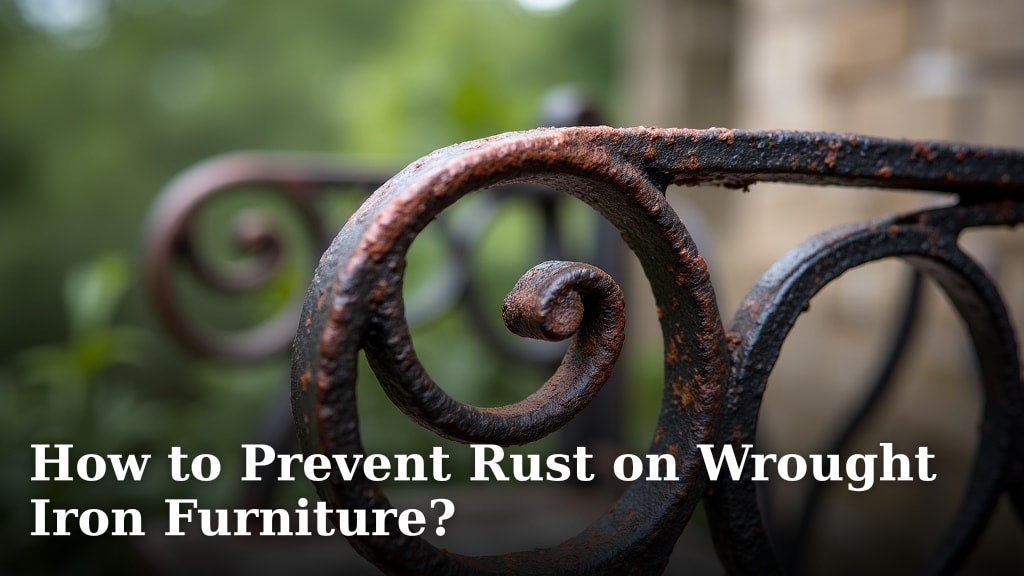
Wrought iron is incredibly strong and durable. It often features beautiful, intricate designs. But it is highly prone to rust if its protective coating is compromised.
Moisture is its biggest enemy. Any scratch or chip in the paint will allow water to penetrate. This leads to unsightly rust spots and potential structural weakening.
Imagine a knight without his armor in the rain; he’s strong but unprotected. Wrought iron needs that continuous barrier against moisture to survive the winter unscathed.
Steel and Cast Iron Furniture
Both steel and cast iron furniture are robust and heavy. They can withstand quite a bit of use. Unfortunately, like wrought iron, they are very susceptible to rust.
Once rust begins, it can spread quickly and significantly weaken the metal. This makes your furniture less safe and reduces its lifespan. Regular maintenance is key here.
We found that steel furniture, especially, requires diligent care. This includes cleaning and applying a rust-preventative finish before winter arrives.
The Silent Threat: Moisture and Ice
You might focus on the cold, but moisture is often the real villain. Water penetrates tiny crevices and then freezes. When water freezes, it expands, putting immense pressure on the metal.
This expansion can cause cracks or loosen joints over time. It’s a slow, insidious process. Humidity also plays a role, creating a damp environment ripe for corrosion.
Even if it doesn’t rain, consistently damp air can accelerate rust formation. Protecting your furniture from both direct precipitation and high humidity is crucial.
Prepping Your Metal Furniture for Winter
Taking a few proactive steps now can save you a lot of headache later. Proper preparation ensures your furniture remains beautiful and functional for years to come.
Cleaning is Key
Before any storage or covering, give your furniture a thorough cleaning. Remove all dirt, pollen, and grime. A mild soap and water solution usually does the trick.
Make sure to rinse completely and dry every piece meticulously. Any leftover moisture will trap dampness. This can encourage mold under covers or accelerate rust.
Rust Prevention Steps
For iron and steel pieces, inspect for any signs of rust. If you find rust, gently sand it away with fine-grit sandpaper. Then, apply a rust-inhibiting primer and repaint the affected areas.
This creates a fresh barrier against moisture. Many experts recommend a marine-grade clear coat for extra protection. It’s like giving your furniture a winter raincoat.
Protective Covers
High-quality, breathable furniture covers are a worthwhile investment. Look for covers that are waterproof but also allow air circulation. This prevents condensation and mildew build-up underneath.
Ensure the covers fit snugly and can be secured against strong winds. You don’t want them blowing away in the first winter storm. Proper covers keep out snow, ice, and persistent dampness.
Storage Solutions
The ideal solution for most metal furniture is indoor storage. A garage, shed, or basement offers the best protection. This completely shields your items from the harsh outdoor elements.
If indoor space is limited, consider stacking chairs or disassembling larger tables. This maximizes your storage area. Keeping items off damp concrete floors is also a good practice.
Don’t Forget the Hardware!
Those small nuts, bolts, and screws are often overlooked. They are frequently made of steel and can rust just as easily. A quick spray of a silicone lubricant or rust preventative can help.
Here’s a simple checklist to prepare your metal furniture for the cold months:
- Clean all surfaces thoroughly with mild soap and water.
- Dry every piece completely to prevent trapped moisture.
- Inspect for existing rust and treat it promptly.
- Apply a fresh coat of rust-inhibiting paint or sealant if needed.
- Cover furniture with breathable, waterproof covers, securing them tightly.
- Store furniture indoors in a garage, shed, or basement if possible.
When should you simply cover versus store? It often depends on the metal and your local winter conditions. Here’s a quick guide:
| Metal Type | Winter Severity | Recommended Action | Why? |
|---|---|---|---|
| Aluminum | Mild to Moderate | Cover well, secure from wind | Rust-resistant, but finishes can chip, and pieces can blow away. |
| Aluminum | Severe (heavy snow/ice) | Store indoors if possible | Prevents finish degradation from extreme cold and constant ice exposure. |
| Wrought Iron | Mild to Moderate | Clean, rust-treat, cover | Needs excellent moisture barrier; covering is a good second line of defense. |
| Wrought Iron | Severe (heavy snow/ice) | Store indoors (best) | Highest risk of rust from prolonged moisture; indoor storage is ideal. |
| Steel/Cast Iron | Mild to Moderate | Clean, rust-treat, cover | Protection from moisture is paramount; covers help reduce exposure. |
| Steel/Cast Iron | Severe (heavy snow/ice) | Store indoors (best) | Very prone to rust; indoor storage drastically reduces winter damage. |
Why Proper Winter Care Matters
Think of your patio furniture as an investment. You spent good money on it. Protecting it from winter elements helps to preserve its appearance and functional life. This saves you money in the long run.
Replacing rusted, cracked, or damaged furniture every few years is costly. A little preventative care now means your patio will be ready for spring’s first warm day, looking just as good as ever.
It also keeps your outdoor space looking neat and cared for, even in the offseason. It is a testament to mindful home ownership (Garden Design Magazine).
Conclusion
Leaving metal patio furniture exposed to winter conditions is generally not a good idea. While some metals fare better than others, cold, ice, and moisture pose significant threats to longevity and appearance. Taking the time to clean, protect, and properly store your furniture is a wise choice.
Whether you opt for robust covers or indoor storage, proactive steps will save you from rust, damage, and costly replacements. Treat your outdoor furniture with care, and it will reward you with seasons of enjoyment.
Can I just tarp my metal patio furniture for winter?
While a tarp offers some protection from precipitation, it’s not ideal. Tarps often trap moisture underneath, creating a humid environment that can encourage rust, mildew, or even damage the finish. A breathable, waterproof cover designed for furniture is a much better choice.
Does extreme cold alone damage metal furniture without moisture?
Extreme cold itself can make some metal finishes more brittle, leading to cracking or chipping. While direct rust requires moisture, temperature fluctuations and freezing can cause stress on joints and materials over time, especially if there are existing weaknesses.
Is it worth disassembling my patio furniture for winter storage?
Yes, disassembling furniture, especially larger tables or chairs, can be very worthwhile. It makes storage more compact and reduces the footprint needed in a garage or shed. It also allows you to clean and inspect each component thoroughly for rust before storing.
How often should I reapply rust preventative to iron furniture?
For wrought iron and other rust-prone metals, you should inspect them annually before winter. If you notice any chips, scratches, or dull spots in the finish, reapply rust-inhibiting primer and paint. A yearly touch-up helps maintain a consistent protective barrier.
Will covering my furniture prevent strong winds from blowing it over?
Covers alone might not prevent strong winds from tipping over lightweight furniture. Ensure your covers have secure straps or elastic hems that cinch tightly around the furniture’s base. For very light pieces, consider adding weights or moving them to a more sheltered location.