How To Recover Outdoor Patio Furniture?
On this page (7 sections)
You can recover patio chairs by refurbishing frames, replacing worn cushions, or installing new fabric slings. This process revitalizes old pieces, making them look new again without the expense of buying new furniture.
To effectively recover outdoor patio furniture, assess its condition, gather appropriate materials like weather-resistant fabrics and paints, then follow specific steps for cleaning, repairing, and re-covering each component. For cushion methods without sewing, see our no-sew cushion recovery guide.
- Bringing your old patio furniture back to life often means cleaning, repairing, and giving it a fresh look.
- Start by checking frames for rust or damage, and then assess your cushions or slings.
- You can repaint metal frames, repair minor wood damage, and replace old fabric parts.
- Choosing the right weather-resistant materials is key for lasting results and outdoor durability.
- This guide will walk you through practical steps for a successful patio furniture recovery project.
How To Recover Outdoor Patio Furniture?
Recovering outdoor patio furniture involves a mix of cleaning, repair, and replacement to restore its beauty and function. It’s about giving your beloved outdoor pieces a second chance.
This approach saves you money and extends the life of items you already own, turning tired furniture into a fresh outdoor retreat.
Why Bother Recovering Your Patio Furniture?
Ever look at your outdoor space and sigh at the faded cushions or rusty frame? Recovering your patio furniture isn’t just a chore; it’s a smart choice. You avoid the cost of new furniture, which can be significant.
Plus, it’s a sustainable move, reducing waste by keeping perfectly good items out of landfills. Many experts say recovering is more eco-friendly than replacing (EPA).
The Cost-Saving Advantage
Think of it like giving your car a fresh coat of paint instead of buying a new one. The cost of fabric, paint, and a few tools is often a fraction of what a new patio set demands.
We found that you can often recover an entire set for less than the price of one new chair. Your wallet will certainly thank you for this budget-friendly decision.
Personalization and Style Update
This is your chance to really make your outdoor space “you.” You can pick fabrics, colors, and finishes that perfectly match your current style or a new aesthetic you’re dreaming of.
It’s like redecorating without moving walls – a simple way to get that customized designer look.
Is Recovering Always the Best Option?
While recovering is fantastic, it’s not always the magic wand for every piece. You need to assess the underlying structure. Is the frame sturdy? Are there major breaks or extensive rust?
If the bones are good, then absolutely, go for recovery. If the structural integrity is compromised, even new cushions won’t save it. We found that frame condition is critical.
Signs Your Furniture is a Good Candidate
Look for sturdy frames made of metal, solid wood, or durable wicker. Minor rust, faded paint, or worn-out cushions are all excellent signs that recovery is ideal.
If the piece still feels solid when you sit on it, you’re likely holding a recovery success story in your hands.
When to Consider Replacement
Sometimes, a piece is just too far gone. Extensive rust that has eaten through metal, rotted wood, or severely cracked plastic might mean it’s time to say goodbye.
Trying to fix these issues can be more expensive and time-consuming than simply buying a new item. Many guidelines point to structural failure as a key factor for replacement.
Gathering Your Recovery Toolkit
Before you dive in, you need the right gear. Think of it like a chef preparing ingredients before cooking. Having everything on hand makes the process smooth and enjoyable.
A well-stocked toolkit will prevent frustrating pauses and save you trips to the store, ensuring your project runs efficiently. We found that preparation is key to success.
Essential Tools Checklist
- Screwdriver set (Phillips and flathead)
- Wrenches (adjustable or socket set)
- Wire brush or sandpaper (medium and fine grit)
- Safety goggles and gloves
- Fabric scissors or rotary cutter
- Staple gun with outdoor staples (for some projects)
- Sewing machine or heavy-duty needle and thread
Choosing the Right Materials
The materials you choose will determine how long your recovered furniture lasts against the sun, rain, and elements. Skimping here is like building a sandcastle against a tide – it won’t hold.
Focus on quality, weather-resistant options to ensure your hard work stands the test of time. Research often connects durable materials with longevity (NIH).
Selecting Outdoor-Friendly Fabrics
For cushions and slings, outdoor fabric is non-negotiable. Look for terms like “solution-dyed acrylic,” “polyester,” or “olefin.” These resist fading, mildew, and water.
Some people say high-end brands are best, others prefer more budget-friendly options. Here’s the trade-off: higher price often means better UV and fade resistance.
| Fabric Type | Key Benefits | Considerations |
|---|---|---|
| Solution-Dyed Acrylic | Excellent fade/UV resistance, soft feel | Higher cost, can be prone to pilling |
| Polyester | Good durability, affordable, many patterns | Less fade-resistant than acrylic over time |
| Olefin | Very water/mildew resistant, good value | Can feel rougher, limited color choices |
Paints and Sealants for Frames
If you’re painting metal frames, opt for exterior-grade, rust-inhibiting spray paint. For wood, use an outdoor-specific stain or sealant to protect against moisture.
Always ensure the product specifies “outdoor use” to guarantee it can withstand the elements. This ensures your frames remain protected and looking great.
Step-by-Step Recovery Process
Ready to get your hands a little dirty? This is where the magic happens. We’ll break down the process into manageable chunks, making it feel less like a mountain and more like a hill to climb.
Remember, patience is your best friend here. Rushing often leads to mistakes, so take your time and enjoy the transformation. Many experts say meticulous steps yield better results.
Preparing the Furniture
First, disassemble cushions and slings from the frames. Clean the frames thoroughly with soap and water, scrubbing away dirt, mildew, and loose paint. Rinse well and let dry completely.
For metal, use a wire brush or sandpaper to remove rust. For wood, a light sanding will help new finishes adhere. This crucial step creates a clean slate for renovation.
Refinishing Frames
If you have metal frames, apply a rust-inhibiting primer before painting. Then, apply two thin coats of your chosen exterior paint, letting each dry fully.
For wood frames, sand lightly, clean, and then apply a protective stain or sealant. Always follow the product instructions for the best finish and durability. This protects the core structure for years.
Recovering Cushions or Slings
For cushions, carefully remove the old fabric to use as a pattern. Our guide to recovering patio cushions covers the process in more detail. Cut your new outdoor fabric, allowing for seams, and then sew the new covers.
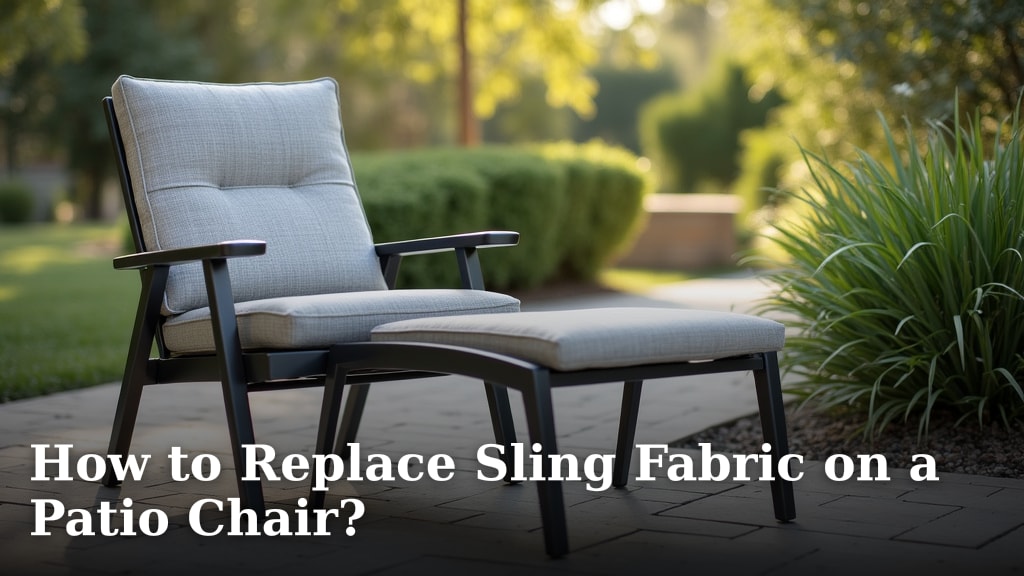
For slings, measure the old sling, noting any rod channels or attachment points. Cut new fabric to size and follow the original installation method, often involving rods and channels. This gives your furniture a brand-new skin.
Common Pitfalls and How to Avoid Them
Even seasoned DIYers can hit a snag. The key is knowing what to look out for. Don’t let a small oversight derail your amazing recovery project.
A little foresight can save you a lot of headache and ensure your hard work pays off. We found that anticipating problems prevents frustration.
Forgetting Weatherproofing
Using indoor fabric or non-exterior paint is a recipe for disaster. Your beautiful work will quickly fade, mildew, or rust. Always double-check labels for “outdoor” or “weather-resistant.”
It’s like bringing a kitten to a dog fight – it just won’t end well. Proper weatherproofing is your furniture’s suit of armor against the elements.
Rushing the Drying Process
Paints, primers, and sealants need adequate time to cure. Applying a second coat too soon, or exposing items to moisture before they’re ready, can lead to peeling or an uneven finish.
Be patient! The waiting game is part of the process. Good things come to those who wait, especially when it comes to cured and durable finishes.
Conclusion
Recovering your outdoor patio furniture is a rewarding project that breathes new life into tired pieces. It’s an opportunity to save money, be kind to the planet, and inject your unique style into your outdoor living space.
By carefully assessing your furniture, choosing the right materials, and following these practical steps, you’ll soon be enjoying a refreshed and inviting patio. What a wonderful way to enjoy your outdoor oasis!
What kind of fabric is best for outdoor patio cushions?
The best fabrics for outdoor patio cushions are solution-dyed acrylics, polyesters, and olefins. These materials offer excellent resistance to UV fading, mildew, and moisture, ensuring your cushions look great and last longer in outdoor conditions.
Can I paint my plastic patio furniture?
Yes, you can paint plastic patio furniture, but you need to use a paint specifically designed for plastic. Clean the furniture thoroughly, lightly sand it for better adhesion, and then apply a plastic-bonding primer followed by several light coats of exterior spray paint for plastic.
How do I prevent rust on metal patio furniture after recovery?
To prevent rust, ensure you thoroughly remove all existing rust before priming and painting. Use a rust-inhibiting primer specifically for metal, followed by an exterior-grade paint. Regularly clean the furniture and apply a clear protective sealant every few years for ongoing protection.
Is it cheaper to recover patio cushions or buy new ones?
Generally, it is cheaper to recover patio cushions than to buy entirely new ones, especially if you can sew the covers yourself. Buying fabric and cushion inserts is usually less expensive than purchasing pre-made, high-quality outdoor cushions, particularly for custom sizes.
How often should I clean my recovered patio furniture?
You should clean your recovered patio furniture seasonally, or more often if exposed to heavy use or harsh weather. Regular cleaning with mild soap and water helps prevent mildew buildup, keeps colors vibrant, and extends the life of both fabrics and frames.