Can I Leave My Patio Cushions Outside?
You can leave your patio cushions outside if they are specifically designed as weather-resistant or waterproof. For other types, prolonged exposure to sun, rain, and humidity will likely cause damage.
To keep your patio cushions looking great and lasting longer, it’s best to bring them inside or store them properly when not in use.
- It’s okay to leave out weather-resistant cushions for short periods.
- Always protect your cushions from heavy rain and direct, harsh sunlight.
- Storage boxes or waterproof covers offer the best protection.
- Regular cleaning prevents mold and mildew buildup, common issues for outdoor fabrics.
- Not all outdoor cushions are created equal; check material labels carefully.
Can I Leave My Patio Cushions Outside?
The short answer is: it really depends on the type of cushion you own. While some cushions are built to handle the elements, many others are not designed for constant outdoor living.
Understanding your cushion’s materials helps you protect your outdoor investment.
The Patio Cushion Dilemma: A Balancing Act
Picture this: a sudden summer shower, and your beautiful patio cushions are caught in the downpour. What do you do? Many of us face this dilemma regularly.
Leaving cushions out can be convenient, but it carries risks like fading, mildew, and material breakdown over time.
Understanding Cushion Types
Not all patio cushions are made equal. You have cushions designed for full outdoor exposure and others that are simply for comfort on a covered patio.
Knowing the difference helps you make smart choices for their care.
What Makes a Cushion Weather-Resistant?
True weather-resistant cushions use specific materials. The fabric and the foam inside play big roles in their durability.
Many experts say materials like solution-dyed acrylic are top performers (Outdoor Fabric Institute).
Fabric Matters Most
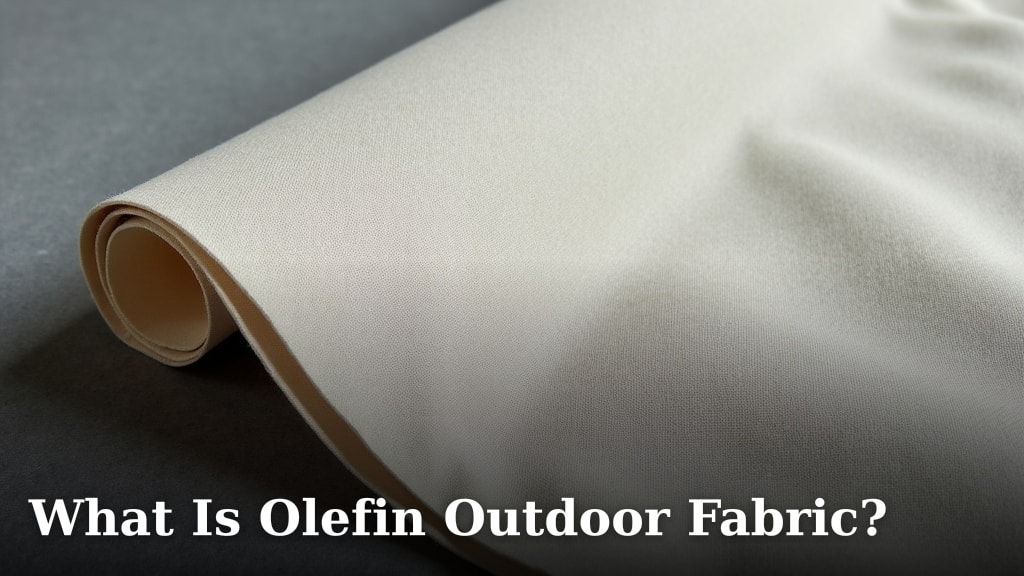
Look for fabrics such as Sunbrella, Olefin, or polyester that is specifically treated. These fabrics resist UV rays, moisture, and mildew.
They are designed to shed water and maintain their color under harsh sunlight.
The Inner Core: Foam and Fillings
Inside, weather-resistant cushions often use open-cell foam. This type of foam allows water to drain through quickly instead of soaking in.
Some even have a protective film or wrap around the foam to slow water penetration.
The Dangers of Leaving Cushions Out
Even the best cushions face challenges when left outside 24/7. Nature is relentless, after all.
Prolonged exposure can shorten the life of even the toughest materials.
Sunlight and UV Damage
Direct sunlight contains powerful UV rays. These rays cause fabrics to fade and weaken over time.
We found that even UV-resistant fabrics will show some fading with continuous, intense sun exposure.
Rain and Moisture Problems
Rain is a big enemy for most cushions. If water soaks into the foam, it creates a perfect breeding ground for mold and mildew.
Mold not only looks unpleasant but also produces an odor and can harm the fabric.
Humidity and Condensation
Even without rain, high humidity can be a problem. Cushions absorb moisture from the air, which can lead to a damp feeling and gradual deterioration.
Condensation can also collect underneath cushions, leading to stains on your patio surface.
Pests and Critters
Cushions left outside can become homes for insects, spiders, and even small rodents. They might chew on fabric or leave droppings.
This is less of an issue with daily use, but a cushion left undisturbed for weeks might attract unwanted guests.
Smart Solutions for Cushion Care
Don’t despair! There are many ways to keep your cushions in top shape without too much fuss. A little planning goes a long way.
Think of it as giving your cushions a protective shield.
Investing in Quality Covers
One of the easiest solutions is to use patio cushion covers. These covers are typically waterproof or water-resistant and slip over your cushions when not in use.
They offer excellent protection from rain, sun, and even dirt.
Utilizing Storage Boxes
A patio storage box is another great option. These boxes keep cushions dry, clean, and away from pests.
They come in various sizes and styles, often doubling as extra seating or a side table.
Quick Dry vs. Water Resistant: What’s the Difference?
It’s easy to get these terms mixed up. “Quick dry” usually refers to the foam’s ability to shed water fast, while “water resistant” relates to the fabric’s ability to repel water.
The best cushions have both features for maximum outdoor life.
Regular Cleaning and Maintenance
Even weather-resistant cushions need some care. Regularly brush off dirt and debris. Spot clean spills immediately.
For a deeper clean, many cushion covers are removable and machine washable (check the care label).
- Brush regularly: Remove loose dirt and pollen.
- Spot clean quickly: Treat spills before they set.
- Air dry completely: Never store damp cushions.
- Flip and rotate: Even out wear and sun exposure.
When to Absolutely Bring Cushions Inside
Some weather conditions are simply too harsh for any cushion. Knowing when to act can save you money and headaches later.
Protecting your cushions during extreme weather is a must.
| Condition | Impact on Cushions | Recommended Action |
|---|---|---|
| Heavy Rainstorm | Waterlogging, mildew, stains | Bring inside or use waterproof storage/covers |
| Intense Sun (all day) | Fading, weakening fabric | Store, cover, or move to shade |
| High Winds | Cushions blown away, potential damage | Secure or bring inside |
| Winter Freeze/Snow | Material cracking, moisture damage | Long-term indoor storage essential |
| Bird Droppings/Sap | Stains, fabric damage | Cover or clean immediately |
A Quick Cushion Care Checklist
Want a simple reminder of what to do? Here’s a quick list to keep your patio cushions happy and healthy all season long.
Follow these steps for prolonged cushion life.
- Are your cushions made from weather-resistant fabric? (Check the label!)
- Do you have a dedicated storage box or waterproof covers?
- Are you bringing cushions inside during heavy rain or storms?
- Do you brush off dirt and leaves regularly to prevent buildup?
- Are you cleaning spills immediately to avoid permanent stains?
- During winter, are you storing them in a dry, protected area?
Conclusion
Ultimately, whether you leave your patio cushions outside comes down to their construction and your personal tolerance for maintenance. While some cushions are built tougher than others, even the most durable materials benefit from a little extra care.
By understanding your cushions and taking simple protective steps, you can enjoy your outdoor space without constantly worrying about your decor. Happy lounging!
How often should I clean my outdoor patio cushions?
You should aim to clean your outdoor patio cushions at least once a month during peak season, or more often if they see heavy use or get dirty quickly. A deeper clean is recommended at the beginning and end of each season.
Can mold and mildew permanently damage patio cushions?
Yes, if left untreated, mold and mildew can cause permanent staining, weaken fabric fibers, and create an unpleasant smell that is hard to remove. Prompt cleaning is key to preventing lasting damage.
Are there any DIY waterproofing treatments for cushions?
Yes, you can find fabric protector sprays designed for outdoor use that add a layer of water repellency. Always test these products on a small, hidden area first to ensure they don’t discolor your cushion fabric.
What’s the best way to store patio cushions over winter?
For winter storage, ensure your cushions are completely clean and dry. Store them in a cool, dry, well-ventilated area like a garage, basement, or storage shed. Using breathable storage bags can protect them from dust and pests while allowing air circulation.
Do patio cushions affect the lifespan of my patio furniture?
While cushions themselves don’t directly impact the furniture’s structure, prolonged dampness from wet cushions can contribute to rust on metal frames or rot on wooden furniture. Keeping cushions dry helps protect both the cushions and the furniture they rest on.