Can You Dye Patio Furniture Cushions?
Yes, you can absolutely dye patio furniture cushions, but success depends heavily on the fabric type and the dye you choose.
You can refresh your outdoor space and extend the life of your cushions with the right approach and proper preparation.
- You can dye patio furniture cushions, but material matters most.
- Natural fibers like cotton or linen dye best; synthetics are tricky.
- Look for fabric-specific dyes such as all-purpose or synthetic-specific options.
- Proper cleaning and preparation before dyeing are vital for even results.
- Always test a small, hidden area first to check color and absorption.
Can You Dye Patio Furniture Cushions?
Yes, you can dye patio furniture cushions! It is a fantastic way to revitalize faded outdoor seating and give your patio a fresh, new look without buying new cushions.
Why Consider Dyeing Your Cushions?
Dyeing your cushions can feel like a small renovation project. It saves money compared to replacing them entirely. Plus, you get to customize the color exactly how you envision it.
Think about the satisfaction of transforming something old into something vibrant. It brings a new energy to your backyard or balcony. You’re giving your patio a budget-friendly glow-up.
Reviving Faded Fabrics
Sun and weather can really bleach out colors over time. Those once-bright blues or reds turn pale and tired. Dyeing offers a simple solution to bring back that original vibrancy.
Or maybe you just want a complete color change. A new shade can completely alter the mood of your outdoor space. It’s like a fresh coat of paint for your furniture.
Understanding Patio Cushion Materials
Not all fabrics are created equal when it comes to taking dye. This is perhaps the most important factor in your project’s success.
Knowing your fabric helps you pick the right dye and method. It really dictates if you will get a nice, even color or a patchy mess.
Natural Fibers: Your Best Bet
Materials like cotton, linen, and rayon are generally very dye-friendly. They readily absorb dye solutions because of their natural structure. We found that these materials produce the most consistent and vibrant results.
If your cushions are made from these, you are in luck. You will likely achieve a beautiful, lasting color change with relative ease.
Synthetic Fabrics: A Bit Tricky
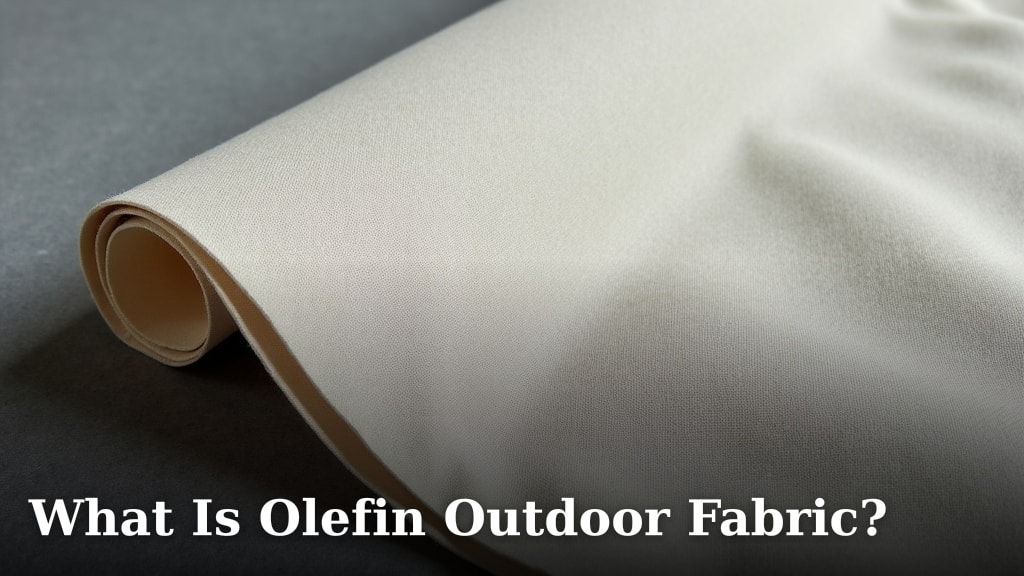
Many patio cushions are made from synthetic fibers like polyester, acrylic, or olefin. These materials are designed to be weather-resistant and repel water, which also makes them repel dye.
While challenging, dyeing synthetics is not impossible. It just requires specific types of dye and often a different application process. You will need to be patient.
Blends: A Mixed Bag
Cushions with fabric blends, like cotton-polyester, can give mixed results. The natural fibers will absorb dye well, but the synthetic parts might not. This can lead to a slightly faded or mottled look.
It’s important to consider this effect. Sometimes, a blended fabric can create an interesting, unique texture. Other times, it might just look uneven.
Choosing the Right Dye for Your Cushions
Once you know your fabric, selecting the correct dye is your next step. This choice is critical for good adhesion and color fastness.
There are many options out there, each suited for different material types. Don’t just grab the first dye you see.
All-Purpose Dyes
These dyes work well for natural fibers. They are typically available as powders or liquids you mix with hot water. Many experts say these dyes are user-friendly for cotton, linen, and rayon.
They are great for a wide range of colors and generally simple to use in a large tub or washing machine. You will find them at most craft stores.
Dyes for Synthetics
For polyester, acrylic, and other synthetics, you need a specialized synthetic dye. These dyes often require very hot water, sometimes boiling, to penetrate the fibers effectively.
They are less common than all-purpose dyes but are essential for synthetic projects. Research often connects heat with proper dye absorption for these tougher materials (textile science journals).
Fabric Paint vs. Dye
Sometimes, fabric paint is an alternative to dye. Paint sits on top of the fabric, while dye changes the fiber’s color. Paint can feel stiffer but offers more precise design control.
For a uniform color change, dye is usually the better choice. For patterns or accents, paint might be ideal.
The Dyeing Process: A Step-by-Step Guide
Ready to start? Here’s a general outline of how to approach dyeing your patio cushions. Remember, specific dye instructions might vary slightly.
Pre-Dyeing Prep Work
Clean your cushions thoroughly first. Any dirt, sunscreen, or mildew will prevent the dye from adhering evenly. Wash them with a mild detergent and let them dry completely.
A clean slate is essential for a beautiful, uniform color. Think of it like painting a wall; you would always clean it first, right?
Mixing Your Dye Solution
Follow the dye manufacturer’s instructions carefully. This typically involves mixing the dye with hot water in a large container. Use a container big enough to fully submerge your cushions.
The water temperature is especially important for synthetic dyes. We found that precise temperature control leads to better color consistency.
Applying the Dye
Submerge the cushions fully into the dye bath. Use a stir stick to gently agitate them, ensuring all surfaces are exposed to the dye. Keep them submerged for the recommended time.
Patience is key here. Don’t rush the process, or you might end up with patchy results. Some people even weigh them down to ensure full submersion.
Rinsing and Drying
Once dyed, rinse the cushions with cool water until the water runs clear. This removes any excess dye. Then, squeeze out as much water as possible.
Let them air dry completely, preferably out of direct sunlight to prevent immediate fading. Drying flat helps maintain their shape.
Factors Affecting Your Dyeing Success
Many things can influence how well your cushions take dye. Being aware of these helps manage expectations.
- Fabric Type: Natural fibers absorb dye much better than synthetics.
- Previous Treatments: Water-repellent finishes can make dyeing very difficult.
- Initial Color: Dyeing a light cushion a darker color is easier than going from dark to light.
- Dye Concentration: Using enough dye for the fabric weight is crucial for vibrant color.
- Water Temperature: Proper temperature is vital for dye activation and absorption, especially for synthetics.
- Submersion Time: Adequate time in the dye bath ensures color saturation.
When Dyeing Isn’t the Best Option
There are times when dyeing might not be worth the effort. It is good to know when to consider other routes.
Consider the condition of your cushions beyond just color. If they are torn, lumpy, or heavily mildewed, dyeing might just highlight those flaws. It is like putting lipstick on a pig.
Severe Damage or Wear
If the foam inside is breaking down, or the fabric is frayed, dye won’t fix structural issues. In such cases, replacement might be more practical for longevity and comfort.
Water-Resistant Coatings
Some patio cushions have durable water-repellent coatings. These treatments can severely inhibit dye absorption, leading to very poor or uneven results. Many experts suggest avoiding dyeing these if possible.
Cost vs. Effort
Weigh the cost of dye, time, and effort against the price of new cushion covers or even new cushions. Sometimes, the peace of mind from buying new is worth it.
Alternatives to Dyeing
If dyeing feels too risky or complex, you have other options.
| Option | Description | Pros | Cons |
|---|---|---|---|
| New Covers | Purchase ready-made or custom-sewn fabric covers. | Easy, wide variety, fresh look. | Can be expensive, limited sizes. |
| Fabric Spray Paint | Specialized aerosol paint for fabrics. | Quick, easy application, good for small areas. | Can feel stiff, less durable than dye, patchy if not applied well. |
| Outdoor Throw Blankets | Drape weather-resistant blankets over cushions. | Instant style change, added comfort. | Not permanent, can shift, might not cover fully. |
| Buy New Cushions | Completely replace old, worn-out cushions. | Brand new, guaranteed quality, full refresh. | Highest cost, requires disposal of old cushions. |
Caring for Your Newly Dyed Cushions
After all that effort, you want your new color to last. Proper care is essential.
Cleaning Tips
Spot clean small spills immediately with mild soap and water. Avoid harsh chemicals or aggressive scrubbing, which can strip away color. Many guidelines point to gentle cleaning for dyed fabrics (textile care guides).
When you need a deeper clean, wash gently by hand or on a delicate cycle. Always use cold water to help prevent color bleed.
Protecting from the Elements
Store your cushions indoors or under a patio cover when not in use. Prolonged exposure to sun and rain will cause even newly dyed colors to fade again. This is especially true for darker shades.
Consider using outdoor furniture covers during inclement weather. This simple step can greatly extend the life and vibrancy of your cushions.
Expert Tips for Longevity
- UV Protection Spray: Apply a fabric UV protectant spray after dyeing and drying. This can offer an extra layer of defense against sun fade.
- Test First: Always, always test your chosen dye on a small, inconspicuous area of the cushion first. This checks color and absorption.
- Even Application: Ensure the cushion is fully saturated and agitated evenly in the dye bath. Stirring regularly helps prevent streaks.
- Rinse Thoroughly: Don’t skimp on rinsing. Leftover dye will rub off on clothes or other surfaces.
- Don’t Over-Dye: Trying to dye something too dark in one go can sometimes lead to uneven results. It is better to aim for a slightly lighter shade or do a second, lighter dye bath if needed.
Conclusion
Dyeing patio furniture cushions is a rewarding project that can bring new life to your outdoor living space. While it requires careful planning, especially regarding fabric types and dye choices, the results can be stunning.
Remember to prepare your cushions well, follow dye instructions meticulously, and care for them properly afterward. With a little effort, you can enjoy a beautifully refreshed patio that truly reflects your style. Isn’t it wonderful to make something old feel new again?
Can you dye outdoor cushion covers?
Yes, you can dye outdoor cushion covers, following the same principles as dyeing full cushions. The success largely depends on the fabric material, with natural fibers like cotton being easiest to dye, and synthetics requiring specialized dyes and hotter temperatures.
What kind of dye do you use for outdoor cushions?
For outdoor cushions made of natural fibers (cotton, linen), an all-purpose fabric dye works well. For synthetic outdoor fabrics like polyester or acrylic, you will need a specialized synthetic fabric dye, which typically requires higher heat for proper absorption.
How do you dye waterproof patio cushions?
Dyeing truly waterproof or water-repellent patio cushions is very challenging, as the coating prevents dye absorption. It is often not recommended because results are typically poor and uneven. Consider fabric spray paint as an alternative for minor color changes, or look into replacement covers.
Can you dye Sunbrella fabric?
Sunbrella fabric is made from solution-dyed acrylic, meaning the color is built into the fiber itself, not applied later. While it is extremely resistant to fading, it is also highly resistant to re-dyeing with traditional dyes. Some specialized synthetic dyes might have minimal impact, but a significant color change is unlikely and not typically recommended.
How long does dyed patio cushion color last?
The longevity of dyed patio cushion color varies widely based on fabric type, dye quality, and sun exposure. Natural fibers dyed with quality dyes and protected from harsh sun can last for several seasons. However, expect some fading over time, especially with constant sun exposure. Using UV protectant sprays and storing cushions out of direct sunlight will help extend their vibrant life.