Can You Leave a Outdoor Sectional Outside in the Rain?
On this page (5 sections)
Yes, you can leave an outdoor sectional outside in the rain, but its ability to withstand the weather depends heavily on its materials and construction. Some sectionals are built to endure harsh conditions, while others require more protection.
You probably want your outdoor furniture to be durable and low-maintenance. We’ve found that many manufacturers design modern outdoor sectionals with weather-resistant features in mind. This helps prevent damage from unexpected downpours or continuous exposure to the elements.
- Choose sectionals made from weather-resistant materials.
- Waterproof cushions are available and highly recommended.
- Always check product specifications for weather durability.
- Consider furniture covers for extra protection in harsh climates.
Let’s dive into the specifics, so you can confidently choose and care for your outdoor sectional, rain or shine.
Understanding Your Outdoor Sectional’s Rain Readiness
You want your outdoor sectional to be a place of relaxation, not a source of worry, especially when rain clouds gather. The truth is, how well your sectional handles rain comes down to what it’s made from and how it’s built.
Some materials just drink up water. Others shrug it off like it’s nothing. So, let’s look at what makes an outdoor sectional truly rain-friendly.
What Makes a Sectional “Outdoor-Ready” for Rain?
When you’re looking at outdoor furniture, the term “outdoor-ready” isn’t just marketing fluff. It usually means the item has specific features designed to combat the elements. For rain, this means water resistance and durable construction.
We found that manufacturers use several clever tricks to make furniture rain-resistant. These include water-repellent fabrics and rust-proof frames. It’s all about making sure your sectional can get wet and then dry out quickly and completely without damage.
Frame Materials and Their Moisture Resistance
The frame is the backbone of your sectional. If it rusts, warps, or rots, your whole piece of furniture is compromised. So, frame material is a big deal when it comes to rain.
- Aluminum: This is a popular choice for outdoor furniture. It’s naturally rust-proof and lightweight. You can leave aluminum frames out in the rain without much concern. We’ve seen many people choose aluminum for its durability (Popular Mechanics).
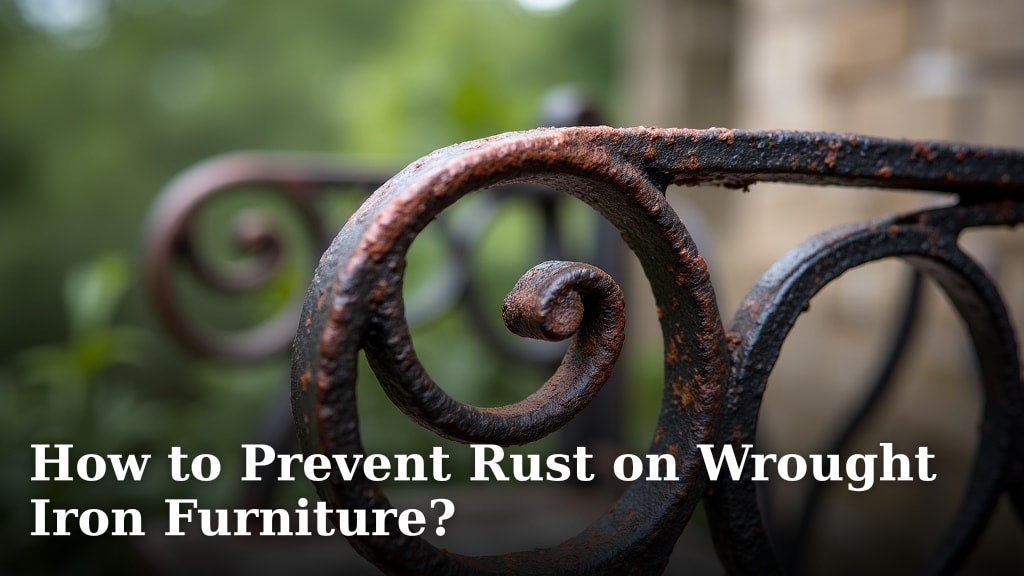
- Wrought Iron: While very strong, wrought iron can rust if not properly treated and maintained. Many pieces come with a powder-coated finish for protection. You’ll want to check for chips in this coating regularly.
- Steel: Similar to wrought iron, steel frames need good rust protection. Stainless steel is much better but often more expensive. If you have regular steel, ensure it has a thick, intact protective layer.
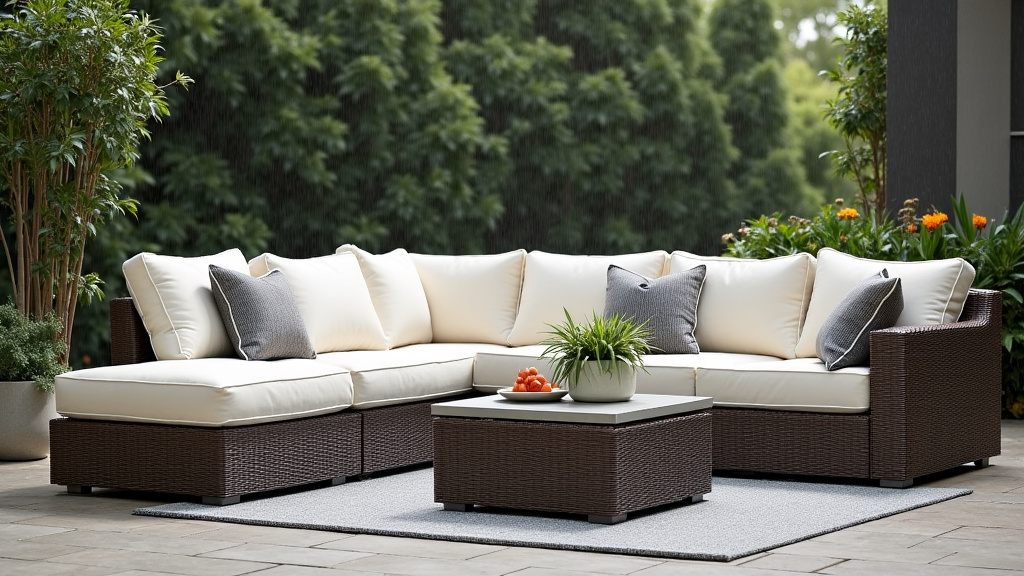
- All-Weather Wicker (Resin Wicker): This isn’t natural wicker. It’s usually made from synthetic materials like PVC or polyethylene. It’s designed to be highly resistant to water, UV rays, and mildew. It’s a great choice for rainy climates.
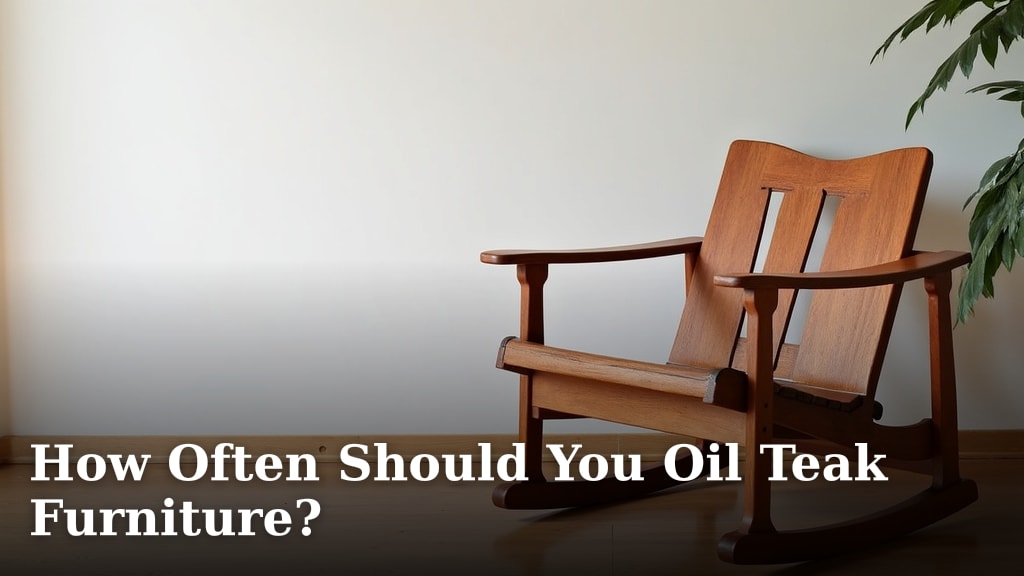
- Teak Wood: Teak is a superstar among outdoor woods. It’s naturally rich in oils, which makes it incredibly resistant to water, rot, and insects. It will weather to a beautiful silver-grey patina over time if left untreated (Forest Products Laboratory).
- Other Wood Types: Other woods like cedar or redwood also have some natural resistance, but they often need more maintenance or treatment than teak. Regular sealing is often necessary to prevent water absorption and rot.
When you’re comparing materials, think about your climate. Does it rain often? Is it humid? These factors will help you decide which frame material is best for your situation.
Cushion and Fabric Resilience Against Water
Cushions are often the first thing to show signs of damage from rain. They can get soggy, develop mildew, or lose their shape. But many modern outdoor cushions are built to handle moisture much better than their predecessors.
Many outdoor fabrics are now hydrophobic, meaning they repel water. They might be made from solution-dyed acrylics or other synthetic blends. These fabrics allow water to bead up and roll off, rather than soaking in.
Even if the fabric is water-resistant, “quick-dry” foam is a valuable feature. This foam is designed with an open-cell structure, allowing water to drain through it quickly. Regular foam can hold water, leading to prolonged drying times and potential mildew issues.
Always look for cushions with zippers. This allows you to remove the covers for cleaning or if you need to dry the foam separately. Some covers are even machine washable.
Here’s a quick comparison of common outdoor sectional materials:
| Material Type | Rain Resistance | Key Considerations |
|---|---|---|
| Aluminum Frame | Excellent | Rust-proof, lightweight, durable. |
| Resin Wicker (Synthetic) | Very Good | Water, UV, and mildew resistant. |
| Teak Wood | Excellent | Naturally water and rot resistant; ages to grey patina. |
| Hardwood (Treated) | Good | Requires regular sealing for water protection. |
| Wrought Iron/Steel | Fair to Good | Needs powder coating to prevent rust; check for chips. |
| Outdoor Fabric (Solution-dyed acrylic) | Very Good | Water-repellent, fade-resistant, easy to clean. |
| Quick-Dry Foam | Excellent | Allows water to drain quickly, preventing mildew. |
Potential Risks of Leaving Your Sectional Uncovered in the Rain
Even with the best materials, repeated and prolonged exposure to rain can take a toll. Think of it like leaving your skin out in the sun too long without sunscreen. Even if you don’t burn immediately, cumulative damage can occur.
Understanding these risks helps you make informed choices about protecting your outdoor investment. You want your sectional to look good and last for years, right?
Damage to Frames and Surfaces
Rust is the most obvious enemy for metal frames. While aluminum is generally safe, scratched steel or iron frames will eventually corrode. Once rust starts, it can spread and weaken the structure.
For wood frames, constant moisture can lead to swelling, cracking, and eventually rot. Even teak, while naturally resistant, can benefit from protection from extreme, year-round wetness. The sun after the rain can also cause issues. The expansion and contraction of wood can lead to splits. This is called “checking.”
Also, the finish on any material can degrade. Paint might peel, powder coatings can chip, and stains on wood can fade or become uneven. This impacts both the look and the protective qualities of your sectional.
Cushion Concerns: Mildew, Mold, and Deterioration
This is where things can get truly unpleasant. Cushions are prime targets for moisture-related problems. If they stay wet for too long, several issues can pop up.
Mildew and mold are fungi that thrive in damp, dark conditions. They can grow on and inside your cushions, causing:
- Unpleasant Odors: That musty smell is a dead giveaway.
- Stains: Black, green, or white spots can appear, which are hard to remove.
- Allergies: Mold spores can trigger allergic reactions in some people (CDC).
- Fabric Degradation: Over time, mildew can weaken and break down fabric fibers.
Beyond fungi, constant wetness can compress and degrade the foam inside your cushions. They might lose their springiness, become lumpy, or simply feel “dead.” This impacts comfort and the overall look of your sectional.
Discoloration and Fading from Water and Sun Combo
It’s not just the rain; it’s the sun and rain together. Imagine a harsh cycle: fabric gets drenched, then the sun beats down on it, drying it out rapidly. This alternating wet-dry cycle can be tough.
Many outdoor fabrics are designed to be UV resistant, but nothing is completely immune to fading over many seasons. Water can sometimes act like a magnifying glass for sunlight, intensifying its fading effect on certain dyes or materials. You might notice areas that look bleached or unevenly colored.
Smart Strategies to Protect Your Outdoor Sectional from Rain
You’ve invested in a beautiful outdoor sectional. Now, let’s talk about keeping it that way, especially during a downpour. There are simple, effective ways to extend its life and keep it looking new.
Protection isn’t always about moving furniture indoors. Many solutions are designed for convenience, helping you enjoy your outdoor space with less hassle.
The Benefits of Furniture Covers
Furniture covers are like raincoats for your sectional. They offer a physical barrier against all kinds of weather, including rain, snow, UV rays, and even pollen and dirt.
A good quality cover should be waterproof or highly water-resistant. It should also be breathable to prevent condensation and mold buildup underneath. Look for covers with features like elastic hems, buckles, or drawstrings to ensure a snug fit. This keeps the cover from blowing off in windy conditions.
While taking covers on and off takes a few minutes, it can significantly prolong the lifespan of your sectional. We’ve seen that consistent covering can add many years to furniture life.
Considering Covered Patios or Awnings
If you have a covered patio, a pergola with a solid roof, or even a retractable awning, you’re already ahead of the game. These structures offer excellent protection from rain, allowing you to leave your sectional out without much worry.
A permanent overhead structure not only protects from rain but also from harsh direct sunlight, which reduces fading. It creates a truly all-weather outdoor living space. Think about your future plans. If you’re building a new patio, consider a full roof. It changes how you can use your outdoor space dramatically.
Simple Maintenance Tips for Rainy Weather Zones
Even without a cover or roof, you can do some things to help your sectional brave the rain.
- Tip Cushions Upright: If rain is expected, stand your cushions on their sides. This allows water to drain off instead of pooling.
- Elevate Off the Ground: If your sectional sits directly on concrete or a patio that collects water, consider putting small risers or feet under the legs. This prevents water from sitting directly on the frame.
- Clean Regularly: Remove dirt and debris from your sectional regularly. Dirt can trap moisture and encourage mildew growth.
- Dry Thoroughly: After a rain, if possible, manually dry off surfaces and cushions. A soft cloth or even a leaf blower (on low setting) can speed up the process.
- Inspect for Damage: Periodically check your sectional for any signs of wear, rust, or mildew. Catching issues early can prevent bigger problems.
Checklist for Rain-Proofing Your Outdoor Sectional
Here’s a quick list to help you ensure your sectional is ready for Mother Nature’s mood swings:
- Is the frame material rust-proof or properly treated?
- Are the cushions made with water-resistant fabric and quick-dry foam?
- Do you have a quality furniture cover that fits well?
- Are your cushions able to be easily stored or tipped for drainage?
- Is your sectional placed under a protective structure like a patio or awning?
- Do you have a plan for regular cleaning and inspection?
Conclusion
You now know that leaving your outdoor sectional in the rain is possible, but it truly depends on its construction. By prioritizing weather-resistant materials like aluminum, resin wicker, or teak, and choosing cushions with quick-dry foam and water-repellent fabrics, you’re off to a great start. Remember, consistent protection with a quality cover and smart maintenance like tipping cushions are your best allies.
We found that a little proactive care goes a long way. So, assess your sectional, consider your climate, and implement these strategies. Your future self, enjoying a dry and comfortable outdoor space, will thank you.
Frequently Asked Questions
Can I leave my outdoor sectional cushions out in light rain?
You can often leave well-made outdoor cushions out in light rain, especially if they have water-resistant fabric and quick-dry foam. Water should bead up and drain quickly. However, it’s always safer to store them or cover them if you expect more than a brief shower.
How can I tell if my outdoor sectional fabric is water-resistant?
Check the product description for terms like “solution-dyed acrylic,” “water-resistant,” or “hydrophobic.” You can also do a quick test by sprinkling a few drops of water on the fabric; if it beads up and rolls off, it has good water resistance.
Will leaving my sectional uncovered in the rain void its warranty?
It might. Many manufacturers’ warranties often specify proper care and maintenance, which can include covering furniture during inclement weather. Always check the warranty details that came with your specific outdoor sectional to be sure.
What’s the best way to clean outdoor sectional cushions after they get wet?
After they get wet, allow them to air dry thoroughly. If you notice any mildew or dirt, use a mild soap solution and a soft brush, then rinse well and let them dry completely in the sun. Make sure to check the cleaning instructions for your specific fabric.
Is it better to store cushions indoors during the rainy season?
Yes, storing cushions indoors during extended rainy seasons or when not in use for long periods is generally the best practice. This completely eliminates the risk of water damage, mildew, and fading, greatly extending their lifespan and keeping them looking fresh.